







1. See and Be Seen: Wipers and Lights
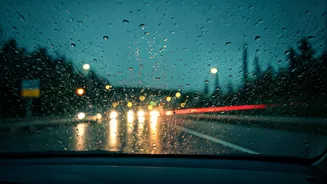
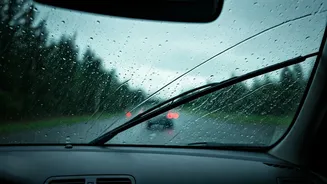
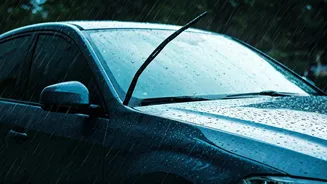
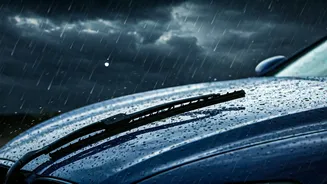
Your first line of defense in a deluge is visibility. If your wiper blades are chattering, streaking, or leaving behind hazy films of water, they’re past their prime. Worn-out blades can’t effectively clear your windshield, creating dangerous glare, especially
at night. Replacing them is one of the easiest and cheapest pieces of pre-storm maintenance you can do. Most auto parts stores will even install them for you. A good rule of thumb is to replace them every six to twelve months. While you’re at it, take a walk around your car. Have a friend or family member help you check that all your exterior lights are working: headlights (both low and high beams), taillights, brake lights, and turn signals. In low-visibility conditions, being seen by other drivers is just as critical as your ability to see.
2. Grip is Everything: Tires and Treads
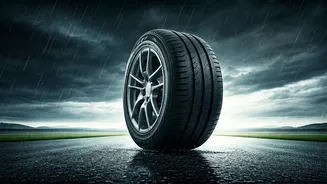
The four small patches where your tires meet the road are all that stand between you and a dangerous skid. In wet conditions, the biggest threat is hydroplaning—when a layer of water builds up between your tires and the road surface, causing a total loss of steering and braking control. Your tires’ main defense is their tread, which is designed to channel water away. To check your tread depth, grab a penny. Insert it into the tread with Lincoln's head facing down. If you can see the top of Abe's head, your treads are worn below the safe limit (2/32 of an inch) and it's time for new tires. Also, check your tire pressure. Both under-inflated and over-inflated tires can reduce grip and affect handling, a problem that’s magnified on slick, wet pavement.
3. Create a Water-Repellent Shield
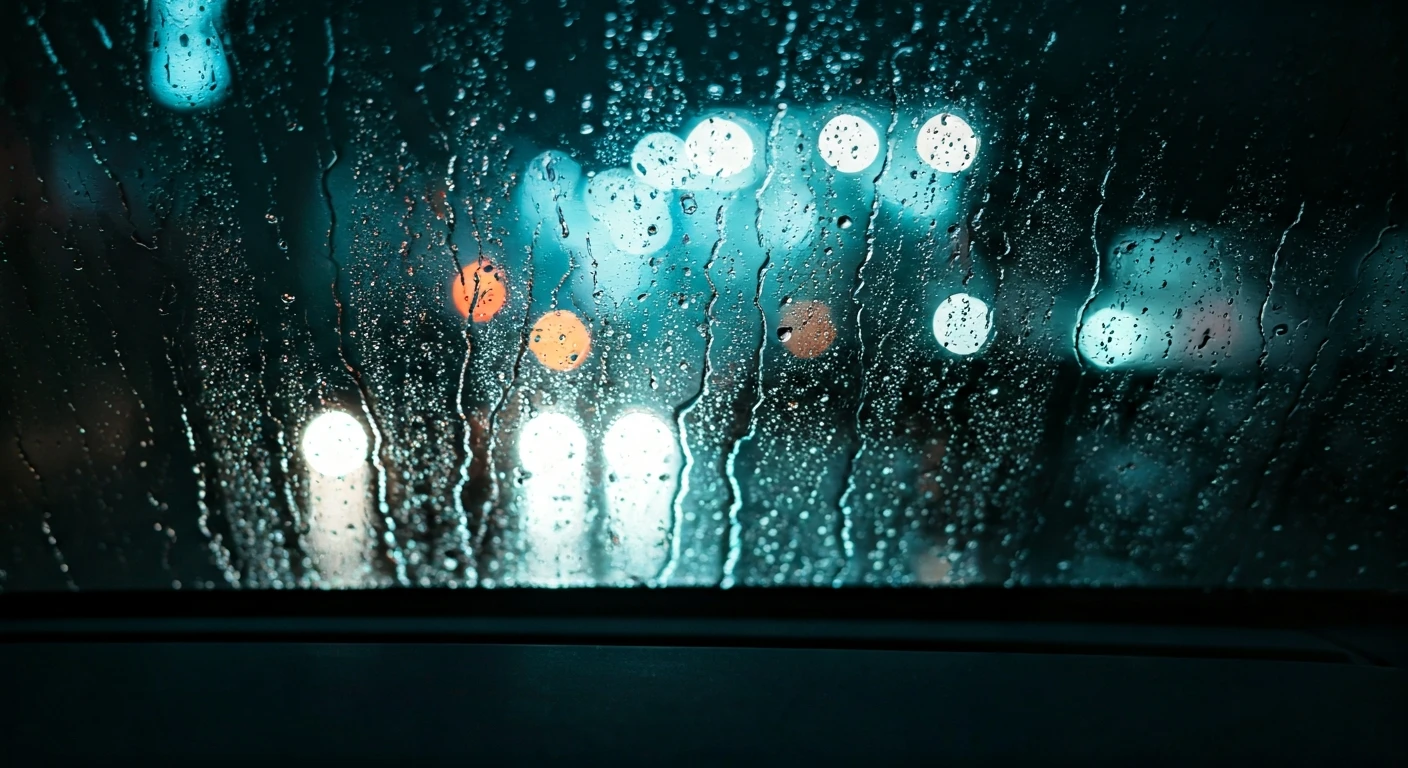
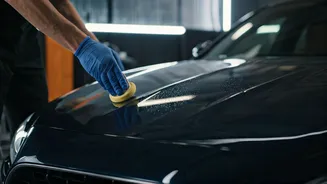
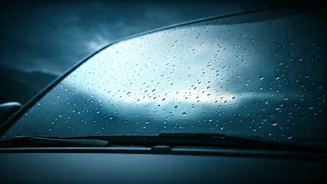
For a true visibility upgrade, consider treating your windshield with a hydrophobic glass treatment. Products like Rain-X, Aquapel, or similar ceramic coatings create an invisible, super-slick surface that prevents water from sticking. Instead of smearing across the glass, rainwater beads up into tiny droplets and is whisked away by the wind as you drive, especially at highway speeds. In many light to moderate rain situations, you may find you barely need your wipers at all. It’s a simple, inexpensive application that can dramatically improve your view of the road, reduce the strain on your eyes, and make driving in a downpour feel significantly less stressful.
4. Banish That Interior Fog
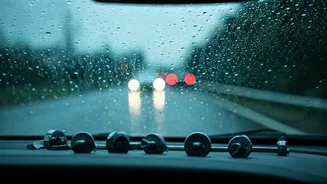
Just as your view outside gets obscured, the inside of your car can quickly become a foggy mess. This happens when the warm, moist air inside your car meets the cold glass of your windshield. The fastest way to clear it is not by wiping it with your hand, which leaves oily smudges. Instead, use your car's air conditioning. The A/C system acts as a dehumidifier, pulling moisture out of the cabin air. Turn on your defroster, direct the vents at the windshield, and switch on the A/C (even if you have the heat on). Make sure the 'recirculation' button is turned off, as you want to pull in fresh, drier air from outside. For persistent issues, an anti-fog coating applied to the inside of your windows works wonders.
5. Check Your Brakes and Stopping Distance
Wet roads mean longer stopping distances—period. Your brakes have to work harder to bring your car to a halt on slick surfaces. Before the rainy season gets into full swing, pay attention to how your brakes feel and sound. Are they making any grinding, squealing, or scraping noises? Does the pedal feel soft, spongy, or does it sink further to the floor than usual? These are all warning signs that your brake pads, rotors, or fluid may need service. Don't wait for a panic-stop in a downpour to discover your brakes aren't up to the task. A quick inspection by a trusted mechanic can ensure they’re ready to perform when you need them most.
6. Pack a Wet-Weather Emergency Kit
Finally, prepping your car isn't just about mechanics; it’s about having the right gear on hand. A dedicated wet-weather kit in your trunk can be a lifesaver. Key items include a sturdy, high-quality umbrella, a highly absorbent microfiber towel for quickly clearing interior fog or drying off door jambs, and a waterproof flashlight with fresh batteries. It's also wise to include a spare pair of socks and perhaps an old pair of shoes. There's nothing worse than having to spend hours in soaked footwear after stepping out into an unexpectedly deep puddle.