


The Downside of 'Hype'
For years, the blueprint for a successful vacation was clear: hit the famous spots, snap the iconic photos, and post the evidence. This was the era of 'hype' travel, a checklist-driven pursuit of the world’s most Instagrammable locations. From the Eiffel
Tower in Paris to the crowded beaches of North Goa, the prize was a picture that screamed, “I was here.” For the burgeoning Indian middle class, gaining unprecedented access to domestic and international travel, this was an exciting new frontier. But the thrill is starting to fade. The reality of hype travel often involves long lines, jostling crowds, and a sense of performative tourism, where the experience itself is secondary to its digital documentation. Travelers are realizing that a photo in front of a landmark is a fleeting reward, often disconnected from any real sense of place or personal discovery. It's a sugar rush, not a satisfying meal.
Defining the 'Mood' Vacation
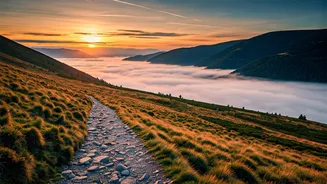
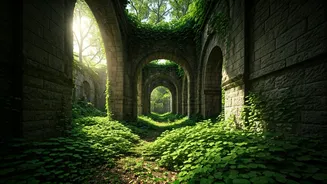
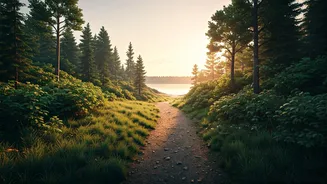
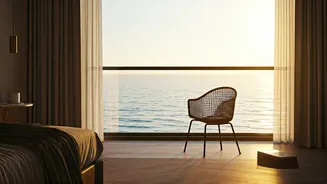
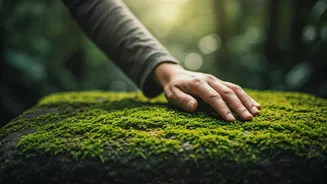
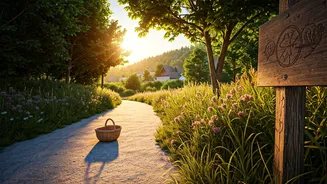
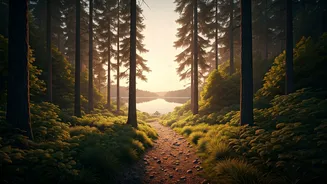
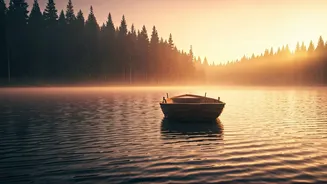
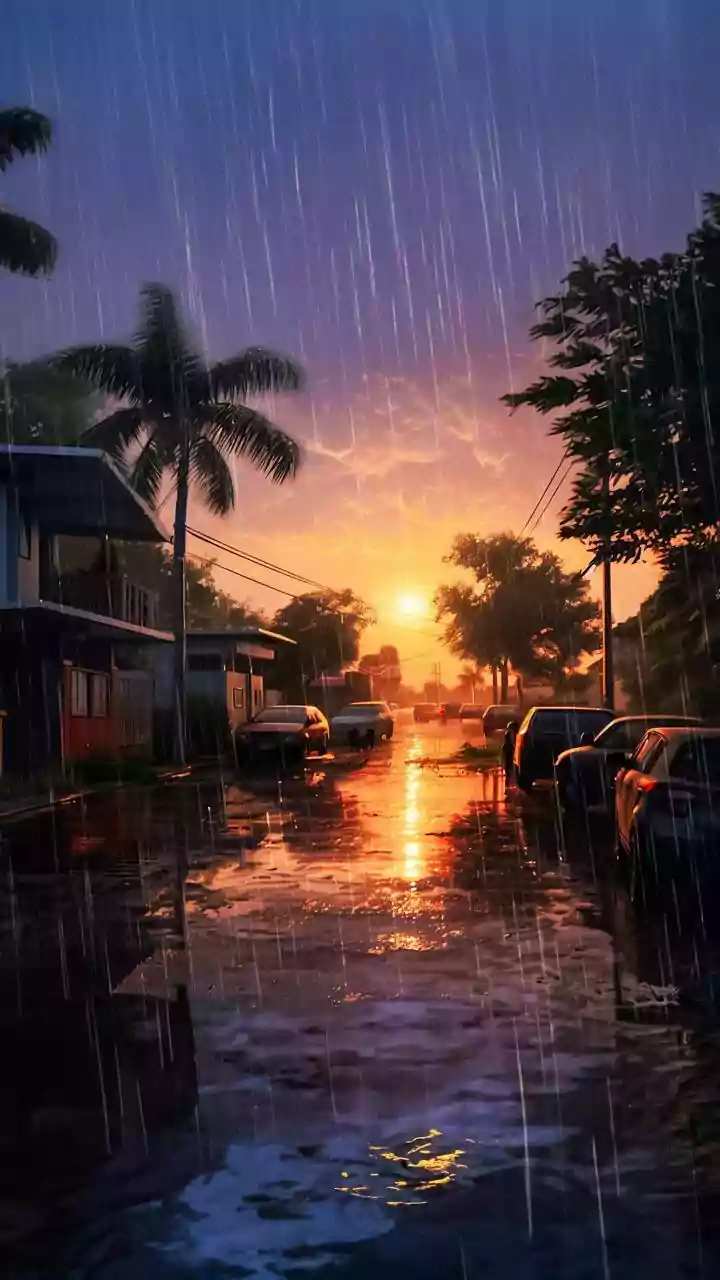
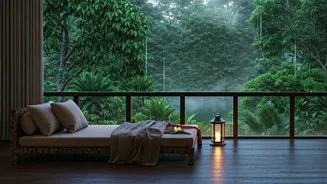
So, what does it mean to choose 'mood' over hype? It's a move from the external to the internal. Instead of asking “What can I see?”, the new question is “How do I want to feel?”. A 'mood' vacation prioritizes atmosphere, emotion, and personal connection. It’s the difference between a whirlwind tour of Rajasthan’s main forts and a slow, multi-day stay in a restored heritage haveli, where the goal is simply to absorb the history and quiet grandeur. It’s choosing a secluded homestay in the misty hills of Coorg over a bustling resort. This kind of travel is less about the destination's fame and more about its character. It values solitude, authenticity, and sensory details: the smell of pine in a Himalayan forest, the taste of a home-cooked meal in a Keralan backwater village, the sound of silence in a remote desert camp. These trips are built around experiences—a pottery class, a guided nature walk, or simply reading a book on a porch with an uninterrupted view—rather than a packed itinerary of sights.
Why the Shift Is Happening Now
Several factors are fueling this trend. First, there's a growing travel maturity. Many Indians who are now in their 30s and 40s have already done the checklist trips. They’ve seen the main attractions and are now looking for deeper, more unique experiences. Second, the post-pandemic world has placed a new premium on well-being, mindfulness, and escaping the grind. The desire for 'slow travel' and digital detoxes is a direct reaction to years of burnout and screen fatigue. Third, social media itself is evolving. While Instagram once fueled the race for the perfect shot, a new generation of travelers and influencers is now championing a more authentic, less polished aesthetic. The 'photo dump' of candid moments has replaced the single, perfect hero shot. This has created a new kind of social currency, one based on unique, personal, and 'moody' experiences that can't be easily replicated.
From Selfies to Self-Discovery
At its core, this shift represents a move from seeking external validation to pursuing internal fulfillment. Hype travel was often about proving something to others—that you were successful, adventurous, and living a great life. Mood travel is about proving something to yourself. It’s about unplugging from the demands of the world to reconnect with your own thoughts and desires. This has also fueled a rise in solo travel, especially among Indian women, who are seeking independence and self-reliance. Travel planners and boutique agencies are responding, curating bespoke itineraries focused on niche interests like wellness retreats, culinary trails, and artistic workshops. They're not selling destinations; they're selling feelings. The goal isn't to come back with a camera roll full of trophies, but with a renewed sense of self and a collection of personal memories.