





The Rise of the Wellness Rupee
For decades, fitness in India was either the domain of elite athletes or integrated into traditional practices like yoga. For the average person, it wasn't a top priority. That has fundamentally changed. The primary driver is the explosion of India's
middle class. With rising disposable incomes, millions of Indians now have the money to invest in themselves, and wellness has become a new, powerful status symbol. A gym membership or a wearable fitness tracker is no longer just about health; it’s an aspirational statement. This economic shift coincides with a social one. Rapid urbanization has led to more sedentary, desk-bound lifestyles, and with it, a spike in lifestyle-related diseases like diabetes and heart disease. India is often called the “diabetes capital of the world,” a grim title that has spurred a national conversation about preventative health. As a result, spending on fitness is seen less as a luxury and more as a crucial, long-term investment in personal well-being. This isn't just about looking good; it's about feeling good and living longer in a country undergoing massive transformation.
Tech is the New Personal Trainer
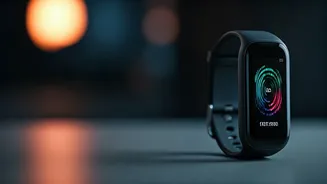
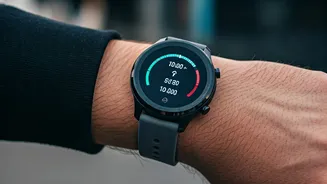
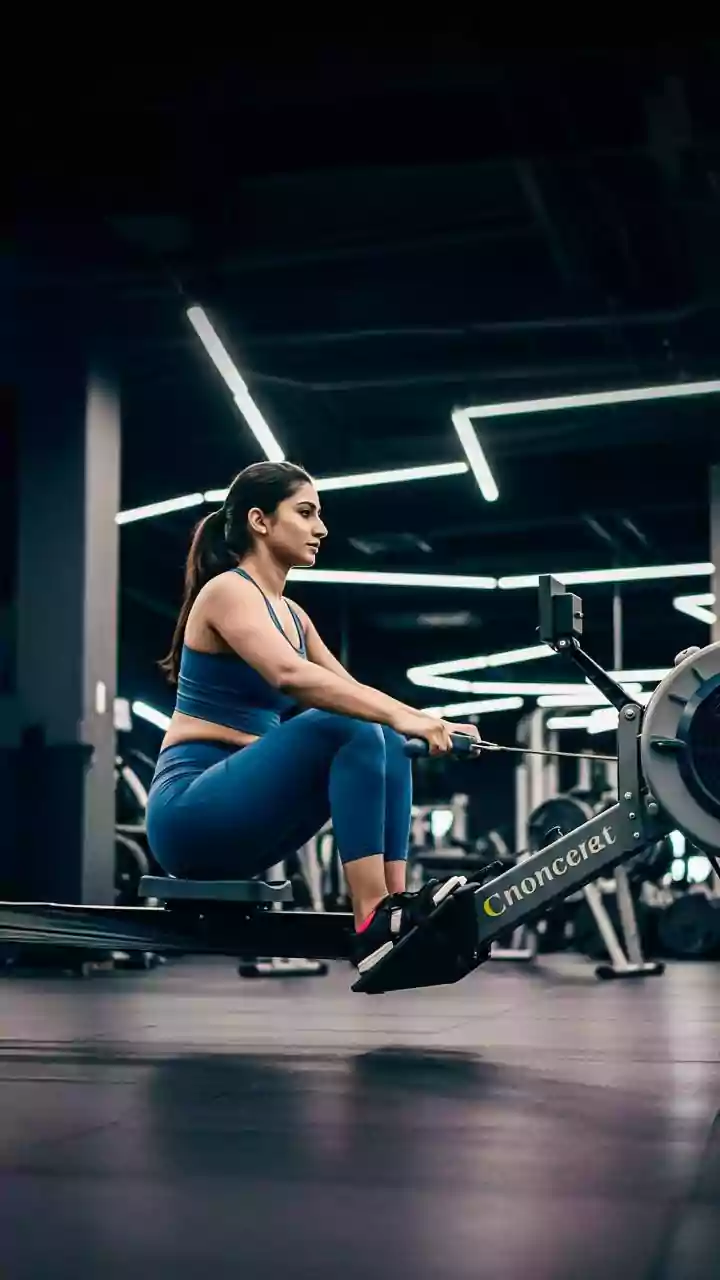
You can’t understand modern India without understanding its “mobile-first” leapfrog. Just as millions skipped landlines and went straight to smartphones, many are bypassing traditional gym models for tech-driven fitness solutions. Homegrown startups have become unicorns by catering to this new demand. Companies like Cult.fit (formerly Cure.fit) offer an all-in-one ecosystem that combines brick-and-mortar gyms, group classes, and a powerful app for at-home workouts, meal planning, and telemedicine. It’s the Peloton, MyFitnessPal, and Headspace of India, all rolled into one slick package. This digital integration is key. In crowded, traffic-snarled cities, the convenience of a high-quality online workout is a game-changer. Fitness influencers on Instagram and YouTube have amassed millions of followers, creating communities and democratizing access to training knowledge. Wearable tech from brands like Apple, Fitbit, and Indian brand boAt are everywhere, turning daily activity into a competitive, data-driven game. Technology has made fitness accessible, affordable, and, most importantly, addictive.
From Bollywood to the Back Squat
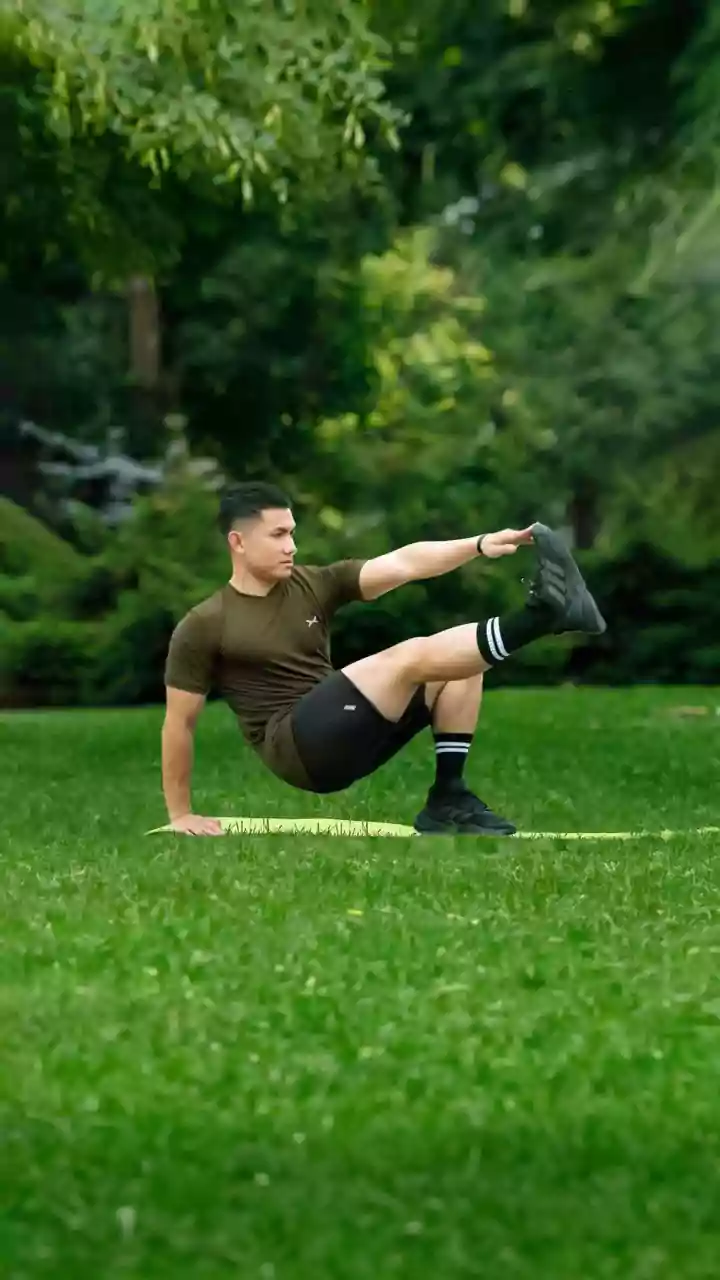
The cultural embrace of fitness is impossible to miss. Bollywood, India's larger-than-life film industry, has played a huge role. Once, actors were known for charm, not chiseled physiques. Today, top stars like Hrithik Roshan and Deepika Padukone are fitness icons, flaunting their workout regimens and promoting wellness brands. Their influence filters down, making fitness aspirational for the masses. This cultural shift has broadened the very definition of exercise. While yoga remains a global wellness export, the scene on the ground is now incredibly diverse. CrossFit boxes are popping up in Mumbai and Bangalore. Marathon running, once a niche sport, now draws tens of thousands of participants in major cities. Zumba classes are packed, and weightlifting, once seen as a purely male pursuit, is gaining popularity among women. This isn't about abandoning tradition but augmenting it. The person meditating with a yoga guru in the morning might be hitting a new personal record on their deadlift in the evening.
A Push from the Top
This fitness boom isn’t just a grassroots, consumer-led phenomenon. It has a powerful ally: the Indian government. In 2019, Prime Minister Narendra Modi launched the "Fit India Movement," a nationwide campaign aimed at encouraging people to make fitness a part of their daily lives. The initiative uses public figures, social media campaigns, and community events to promote physical activity and healthier habits. By framing fitness as a matter of national importance, the government has given the movement a new layer of legitimacy and urgency. It’s a top-down endorsement of the bottom-up changes already happening across society. The message is clear: a healthier India is a stronger, more productive India. This public-private synergy—where government awareness campaigns meet a booming commercial market—has created a powerful engine for growth that ensures this trend is more than just a passing fad.