




The “Skinification” of Everything
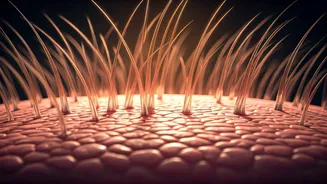
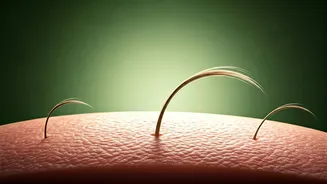
The biggest driver behind the scalp care boom is a concept the beauty industry has dubbed “skinification.” It’s the idea that the skin on your scalp deserves the same level of care and attention—and the same types of ingredients—as the skin on your face.
For years, hair care was focused almost exclusively on the strands themselves: products promised more shine, less frizz, and stronger ends. But experts and consumers are now embracing a more fundamental truth: healthy hair starts with a healthy scalp. Think about it like gardening. You can’t grow vibrant flowers in poor-quality soil. Similarly, issues like thinning, breakage, and dullness are often rooted in scalp health. Brands have responded by launching multi-step scalp routines that mimic facial care, complete with cleansers (clarifying shampoos), exfoliants (scrubs with sugar or salt), serums (with active ingredients), and moisturizers (hydrating masks and oils). It’s a holistic approach that reframes the scalp not as an afterthought, but as the very foundation of good hair.
Science-Backed Beauty Goes Mainstream
You can’t talk about any modern beauty trend without mentioning social media, and scalp care is no exception. A new wave of credible experts—dermatologists, cosmetic chemists, and trichologists (hair and scalp specialists)—have become massive influencers on platforms like TikTok and Instagram. These “dermfluencers” are educating millions of people about the science of skin and hair. They’re breaking down which ingredients actually work and why, demystifying the marketing jargon that once confused consumers. Suddenly, ingredients like salicylic acid (for breaking down oil and dead skin), hyaluronic acid (for hydration), and niacinamide (for soothing inflammation) aren't just for your face anymore. Consumers are learning that these actives can effectively address scalp-specific issues like product buildup, oiliness, and dryness. This science-first approach has empowered people to look beyond a product’s pretty packaging and demand effective, targeted solutions for their scalp’s unique needs.
Beyond Just Fixing Dandruff
For decades, the only time most people thought about their scalp was when they had a problem—namely, dandruff. The solution was usually a medicated, utilitarian shampoo that you’d hide in the back of your shower. The new scalp care movement is about so much more than just treating flakes. It’s about proactive, preventative wellness. The conversation has shifted from fixing a negative to optimizing for a positive. People are now using scalp care to achieve specific goals: better hair growth, increased volume at the root, a longer time between washes, and enhanced shine. This reflects a broader shift in the wellness industry toward optimization and longevity. Instead of waiting for a problem to appear, consumers are adopting routines to maintain a healthy scalp microbiome and create the ideal environment for hair to thrive. It’s the difference between taking medicine when you’re sick and taking vitamins every day to stay healthy.
A New Frontier for Self-Care
The pandemic accelerated our collective interest in at-home rituals that feel both indulgent and productive, and scalp care fits that niche perfectly. Applying a scalp serum or spending a few extra minutes in the shower with a scalp massager is a small, accessible act of self-care. It’s a sensory experience that can be both relaxing and invigorating. For many, it’s a moment to slow down and focus on themselves in a way that feels more tangible than simply slapping on a face mask. Brands have leaned into this, creating products with luxurious textures and calming scents. This ritualistic aspect helps explain why the trend has such staying power. It’s not just another chore in your beauty routine; it’s a moment of mindfulness that offers a visible payoff in the form of healthier, better-looking hair.