




1. Support a New Wave of Young Artisans
The term “handloom” might conjure images of a craft preserved only by older generations. But the “youth-led” part of these fairs is the real story. Young designers, artists, and entrepreneurs are diving headfirst into textile traditions, not just to preserve them,
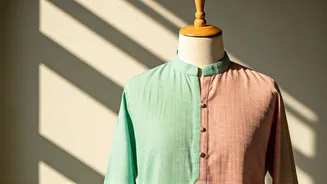
but to reinvent them. They are blending age-old weaving techniques with modern aesthetics, creating pieces that feel both timeless and incredibly current. By visiting, you’re not just buying a product; you’re investing in the future of craft. You’re empowering young creators who have chosen a path of patience and skill over mass production, ensuring these beautiful traditions don’t just survive, but thrive with fresh energy and vision.
2. Find Truly One-of-a-Kind Style
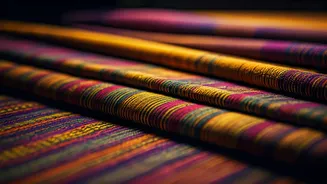
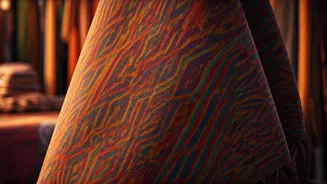
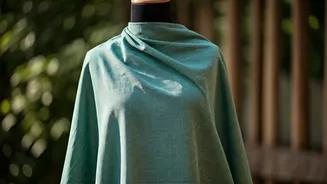
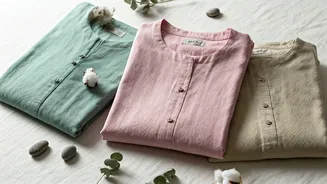
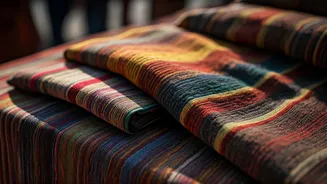
In a world of algorithm-driven trends where everyone seems to own the same five jackets, the allure of something genuinely unique is stronger than ever. Handloom textiles are the antidote to homogeneity. Every thread is passed through the loom by hand, meaning no two pieces are ever identical. You’ll find subtle variations in the weave, color, and pattern that are the fingerprints of the artisan. Whether it’s a brilliantly colored scarf, a complexly patterned tablecloth, or a bolt of fabric waiting to be turned into a custom garment, the items at these fairs have a soul. You’re not just acquiring an object; you’re acquiring a story you can wear and share.
3. Make an Ethical Fashion Statement
The conversation around sustainable and ethical fashion can feel overwhelming, often focusing on what you *shouldn't* buy. These fairs offer a joyful, positive alternative: a chance to actively participate in the solution. Handloom weaving is an inherently low-impact process. It uses minimal electricity, provides fair wages to skilled artisans, and celebrates a “slow fashion” ethos that stands in stark contrast to the environmental and human cost of its fast-fashion counterpart. Purchasing a handloom piece is a tangible vote for a more humane and sustainable industry. It’s a beautiful way to wear your values, demonstrating that style and substance can, and should, go hand-in-hand.
4. Immerse Yourself in a Cultural Experience
These events are rarely just about shopping. They are vibrant, multi-sensory gatherings that celebrate culture. The term “Monsoon” often evokes the lively, renewing spirit associated with the season in South Asia, and the fairs channel that energy. Expect to find more than just stalls of textiles. You’ll likely hear local musicians, smell the aroma of delicious regional foods, and see families and friends connecting. It's a chance to step out of your routine and into a community space buzzing with creativity and warmth. You can talk to the creators, learn about the history behind different patterns, and walk away feeling more connected to the world and the people who make it beautiful.
5. Connect with the Story Behind Your Belongings
We live in an era of disconnection from the things we own. We know the price, but not the process; the brand, but not the hands that made it. Youth-led handloom fairs reverse this. When you buy a piece, you often have the opportunity to meet the person—or a representative of the collective—who made it. You can ask about the dye, which comes from a specific plant, or the pattern, which represents a local legend. This connection transforms a simple transaction into a meaningful exchange. The item ceases to be just “stuff” and becomes a vessel for a story, a relationship, and a piece of cultural heritage that you are now a part of.