


Rethink Your Footwear Entirely
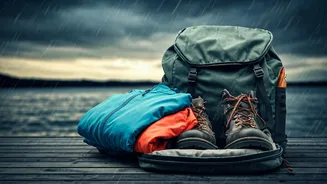
Your first instinct might be to pack heavy-duty waterproof boots. Resist it. In a true downpour or when wading through ankle-deep street puddles, water will inevitably get inside. Once wet, those boots can take days to dry in the humid air, becoming heavy,
smelly bricks. Instead, think like a local. The best monsoon footwear is open, grippy, and dries in minutes. Think high-quality rubber flip-flops, trail-ready sandals with secure straps (like those from Teva or Chaco), or even a pair of Crocs. They allow water to drain right out, and you can easily rinse off any mud at the end of the day. For your feet, fast-drying is far more important than waterproof.
Embrace Synthetic, Quick-Dry Fabrics
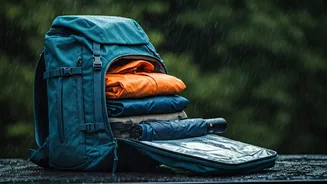
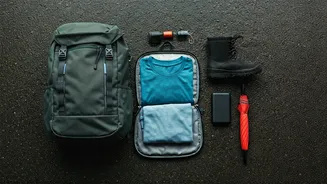
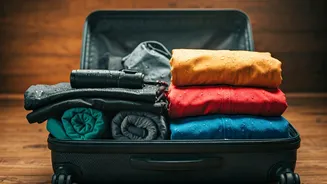
When it comes to clothing, one rule stands above all: cotton is your enemy. Once wet, a cotton t-shirt or pair of jeans will stay damp, heavy, and cold for what feels like an eternity, leading to discomfort and chafing. Instead, build your travel wardrobe around synthetic, quick-dry materials. Look for athletic wear made from polyester or nylon, and consider merino wool for base layers—it’s excellent at regulating temperature and resists odor even when damp. A lightweight, breathable, and genuinely waterproof rain jacket is essential, but pair it with a packable umbrella for navigating crowded city streets where a bulky jacket is inconvenient. For bottoms, hiking pants or travel-specific trousers that dry in an hour are a game-changer.
Your Tech Needs a Fortress
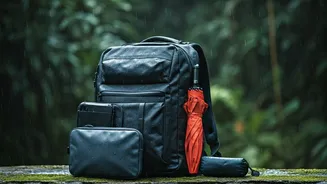
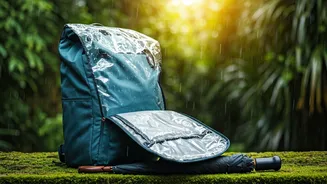
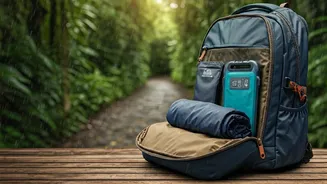
Moisture is the mortal enemy of electronics. A brief, unexpected downpour can ruin a smartphone, camera, or portable charger in seconds. Don’t take chances. Investing in a high-quality dry bag is not an optional luxury; it’s a core piece of monsoon travel gear. These roll-top bags create an airtight seal that keeps water out completely. Get a small 5-liter one to toss in your daypack for your phone, wallet, and passport. For photographers carrying more extensive gear, a larger dry bag backpack is worth its weight in gold. As a backup, always carry a few extra Ziploc bags for double-layer protection. It’s a cheap insurance policy for your most valuable items.
Build a Humidity-Proof Health Kit
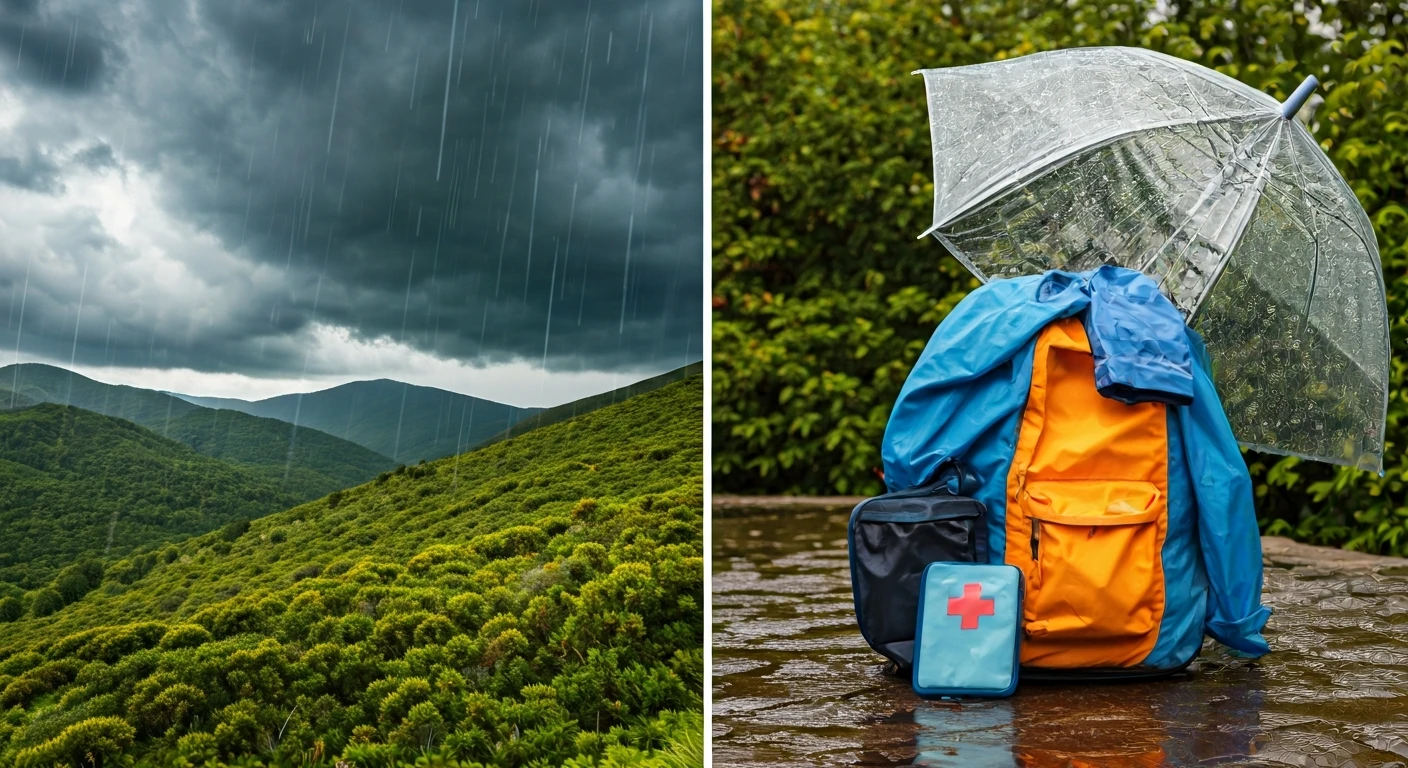
Your standard first-aid kit needs a few upgrades for the tropics. The constant dampness can create ideal conditions for minor skin issues. Add an anti-fungal powder or cream to your kit to prevent or treat conditions like athlete's foot. Blisters are also more common when your feet are perpetually damp, so pack high-quality blister pads like Compeed. Most importantly, the mosquito population explodes during the monsoon, bringing an increased risk of diseases like dengue fever and malaria. A strong insect repellent containing DEET or Picaridin is non-negotiable. Apply it diligently, especially during the dusk and dawn hours when mosquitoes are most active.
Plan Your Days With the Rain, Not Against It
Trying to fight the monsoon schedule is a losing battle. Instead, adapt to its rhythm. In many regions, mornings are often clearer, with rains building to a heavy downpour in the mid-afternoon. Plan your big outdoor activities—like temple visits, hikes, or beach time—for the morning. Keep your afternoons flexible for indoor pursuits. This is the perfect time to explore a local museum, take a cooking class, enjoy a long lunch, or simply sit in a covered cafe and watch the rain fall. This approach not only keeps you drier but also lets you experience the destination in a more relaxed, authentic way. Build buffer days into your itinerary in case a full-day washout cancels your plans.
Pack the Little Things That Make a Big Difference
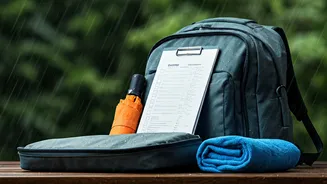
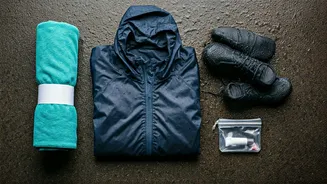
A few small, inexpensive items can dramatically improve your comfort and convenience. A microfiber travel towel is a must; it absorbs a surprising amount of water and dries much faster than a standard towel. A simple packable clothesline and a few clothespins allow you to hang damp clothes in your hotel room, giving them a fighting chance to dry overnight. Finally, toss a few silica gel packets (the kind you find in new shoe boxes) into your daypack and electronics bag. They are fantastic at absorbing ambient moisture and can help keep your gear safe from humidity-induced damage.