

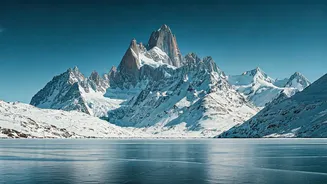
Hike Glaciers in Argentinian Patagonia
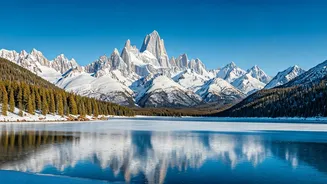
While the Northern Hemisphere sweats through July and August, winter is in full, majestic swing in Argentina’s Patagonia region. This is your chance to trade humidity for crisp, cold air and witness some of the planet’s most dramatic landscapes under
a blanket of snow. Imagine trekking on the Perito Moreno Glacier, a colossal river of ice that groans and calves into the turquoise waters of Lago Argentino. Or base yourself in the charming alpine town of Bariloche, often called the “Switzerland of South America,” for skiing, snowboarding, and indulging in world-class chocolate and fondue. The crowds of the southern summer are gone, replaced by a serene, wintry calm. It’s an active, breathtaking escape from the heat. **Visa Status:** U.S. citizens can visit Argentina for up to 90 days for tourism or business without a visa. Just ensure your passport is valid for the duration of your stay.
Explore the Geysers and Waterfalls of Iceland
Iceland in the summer isn't technically a “cold” holiday, but for anyone escaping a 100°F heatwave, daytime temperatures hovering in the 50s and 60s feel like pure bliss. This is the season of the Midnight Sun, where you have nearly 24 hours of daylight to explore the country’s otherworldly terrain. Drive the famous Ring Road, stopping to marvel at thundering waterfalls like Seljalandsfoss and Skógafoss. Walk on black sand beaches, hike across ancient lava fields, and watch geysers erupt in the Golden Circle. The long days mean you can pack more into your trip without feeling rushed. It's a surreal and invigorating landscape that offers a complete reset from the oppressive heat back home. **Visa Status:** Iceland is part of the Schengen Area. U.S. citizens can travel there for up to 90 days for tourism without needing a visa.
Find Winter Serenity in New Zealand
New Zealand’s winter (June-August) is a dream for those who prefer mountains to beaches. The South Island, in particular, becomes a paradise for snow sports enthusiasts and anyone who loves cozying up by a fire. Queenstown, the adventure capital of the world, is buzzing with skiers and snowboarders hitting the slopes of The Remarkables and Coronet Peak. For a more tranquil experience, explore the dramatic, snow-dusted fiords of Milford Sound or Doubtful Sound by boat, where you can see waterfalls crashing down sheer cliffs. The air is clean, the landscapes are epic on a scale that’s hard to comprehend, and the vibe is relaxed. It's the perfect place to recharge your batteries in a cool, stunning environment. **Visa Status:** While you don't need a traditional visa, U.S. citizens must obtain a New Zealand Electronic Travel Authority (NZeTA) before traveling. It's a simple, quick online application and is valid for multiple visits over two years.
Go Stargazing in Chile’s Atacama and Andes
Chile offers a spectacular and diverse winter escape. In the south, the Torres del Paine National Park in Patagonia is quiet and beautifully stark in winter, offering a unique challenge for serious trekkers. Further north, the ski resorts in the Andes near Santiago, like Valle Nevado, provide some of the best powder in the Southern Hemisphere, all with stunning mountain views. But for a truly unique cold-weather experience, head to the Atacama Desert. While known as the driest place on Earth, its high altitude means nights are cold and incredibly clear. The winter skies are considered the best in the world for stargazing, offering a profound and humbling perspective far from the summer haze. **Visa Status:** U.S. citizens do not need a visa for tourist stays of up to 90 days in Chile. A small reciprocity fee is sometimes charged upon arrival at the Santiago airport, so check the latest guidance before you fly.