



1. The Passes Are Finally Open
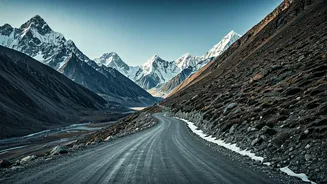
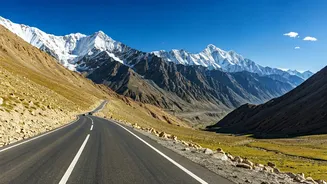
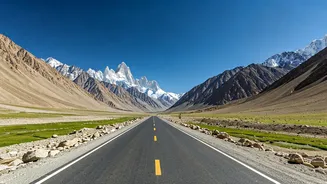
For most of the year, Ladakh is a kingdom locked away by snow. The two main arteries for any road-tripper—the Manali-Leh Highway and the Srinagar-Leh Highway—are buried under dozens of feet of it. But by late May or early June, the Indian Army's Border
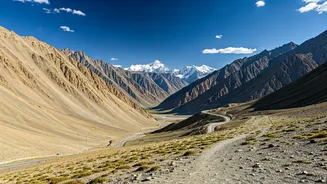
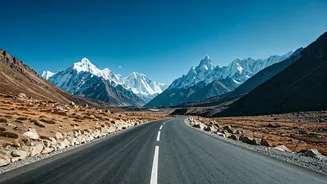
Roads Organisation (BRO) completes the Herculean task of clearing them. June is the golden window when you can be among the first to traverse these legendary routes. Driving through a freshly cut 'snow tunnel' on the Rohtang or Baralacha La passes, with walls of ice towering over your vehicle, is an unforgettable spectacle that you only get at the beginning of the season.
2. The Weather Is Just Right
Let's be clear: 'just right' in the Himalayas is a relative term. But June offers the best balance you can ask for. The brutal winter has subsided, and the peak summer heat that can bake other parts of India hasn't arrived. You'll get bright, sunny days perfect for photography, with daytime temperatures that are pleasantly cool to mild. The infamous monsoon rains that swamp much of the subcontinent from July onward haven't hit the trans-Himalayan region yet, meaning clear skies and safer driving conditions. You’ll still need a warm jacket for the evenings and high passes, but you won't be battling the bitter cold or relentless downpours.
3. The Landscapes Are Unbelievably Vivid
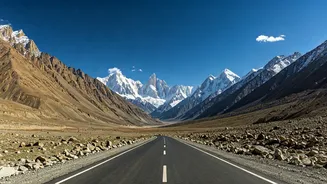
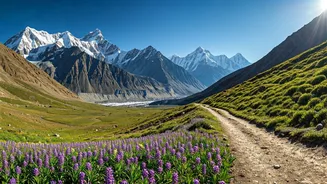
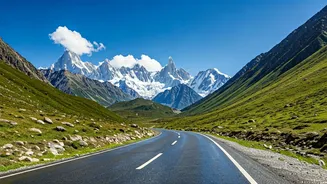
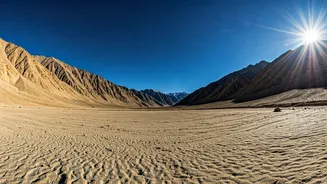
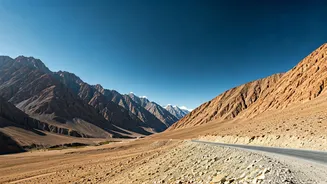
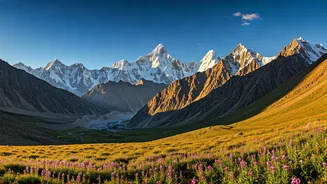
Ladakh in June is a world of dramatic contrasts. The snow is still clinging to the highest peaks, creating a stunning white-on-brown tapestry against an impossibly deep blue sky. Down in the valleys, the land is waking up. The Shyok and Indus rivers run high and wild with glacial meltwater. In places like the Nubra Valley, you'll see patches of bright green barley fields and the delicate blossoms of apricot trees appearing against the stark, lunar backdrop. It’s a brief but beautiful burst of life that disappears later in the summer, making your photos look like they've been color-graded by a Hollywood director.
4. The Famous Lakes Are at Their Best
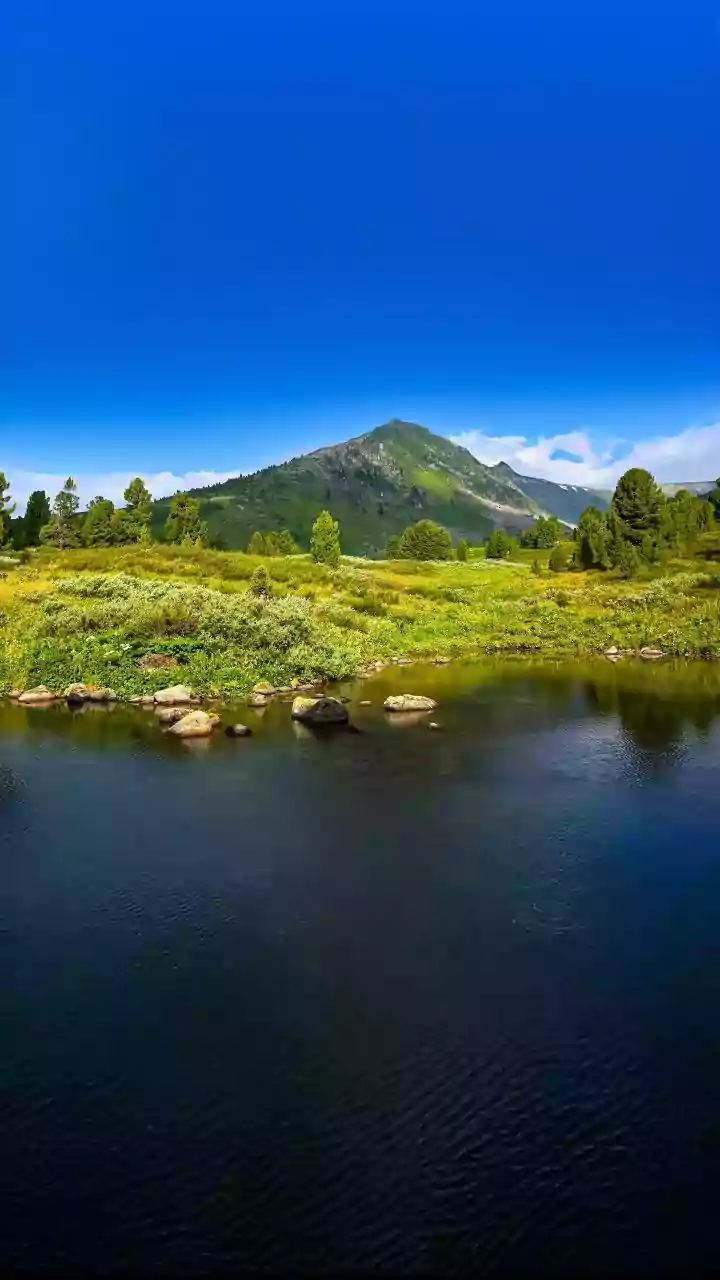
Those iconic images of Ladakh's high-altitude lakes? Many are taken in June. Pangong Tso, the 83-mile-long salt lake that stretches into Tibet, has completely thawed and shimmers in shades of blue that change throughout the day. The same goes for the more remote, but equally stunning, Tso Moriri. In June, the access roads are clear, the skies are reflected perfectly on the water's glassy surface, and the surrounding mountains are still capped with enough snow to frame the scene perfectly. It’s a view that feels primal and profound, and June is when it's most accessible in its full glory.
5. Experience Culture Before the Peak Crowds
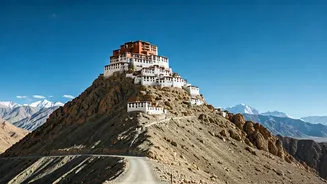
While Ladakh is never going to feel like Times Square, tourist season does have its peaks. June sits in a sweet spot—the season is underway, but the absolute flood of domestic and international tourists that arrives in July and August hasn't peaked yet. You get the buzz and energy of a newly opened season without the intense competition for accommodation and photo spots. Furthermore, June is often the month for major monastic festivals, like the famous Hemis Tsechu. Witnessing the vibrant masked dances and ancient rituals at a monastery clinging to a mountainside is a cultural experience that elevates the trip from a scenic drive to a spiritual journey.