



Coffee Grounds for Acid-Loving Plants
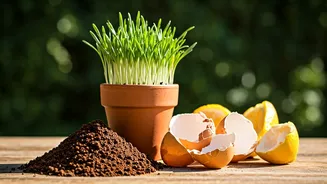
That morning coffee ritual can do more than just wake you up; it can invigorate your garden. Used coffee grounds are rich in nitrogen, a key nutrient for lush, green foliage. They also have a slightly acidic pH, making them an ideal soil amendment for acid-loving
plants like blueberries, hydrangeas, azaleas, and rhododendrons. Simply sprinkle a thin layer of used, cooled grounds around the base of your plants and gently work it into the top inch of soil. Be mindful not to overdo it—a thick layer can compact and block water. You can also add them to your compost pile, where they act as a "green" material, balancing out dry "brown" materials like leaves and cardboard.
Eggshells for Calcium and Pest Control
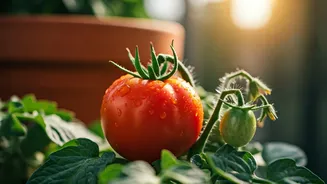
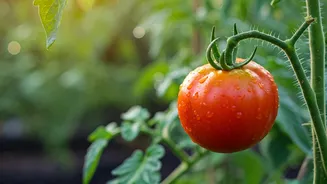
Don’t throw away those eggshells. Once rinsed and dried, they become a versatile garden tool. Crushed eggshells add valuable calcium to your soil, which is essential for preventing blossom-end rot in plants like tomatoes and peppers. For best results, crush them into a fine powder to help them break down more quickly. You can mix the powder directly into the soil before planting or use it as a top dressing. Coarsely crushed eggshells also serve as a physical deterrent for soft-bodied pests like slugs and snails. The sharp edges irritate their bodies, encouraging them to find a smoother path elsewhere. Create a protective barrier by forming a ring of crushed shells around vulnerable seedlings.
Banana Peels for a Potassium Boost
Banana peels are packed with potassium, an essential nutrient that aids in overall plant vigor, disease resistance, and flower and fruit development. They are particularly beneficial for roses, which are known to be heavy potassium feeders. The simplest method is to chop up the peels and bury them an inch or two deep in the soil near the base of your plants. As they decompose, they release potassium, phosphorus, and other micronutrients directly into the root zone. You can also create a "banana peel tea" by soaking peels in a jar of water for a few days. Use this nutrient-rich water to feed your houseplants or garden vegetables for a gentle, all-natural fertilizer.
Citrus Peels as Natural Cleaners
The peels from oranges, lemons, and grapefruits can help you create a more productive—and pleasant-smelling—cleaning routine. The oils in citrus rinds have natural degreasing and antibacterial properties. To make a simple all-purpose cleaner, stuff the peels into a glass jar and cover them with white vinegar. Let the mixture infuse in a dark place for about two weeks, then strain out the peels. Dilute the resulting potent, fragrant liquid with an equal amount of water in a spray bottle. It works wonders on countertops, sinks, and floors, cutting through grime without the harsh chemicals found in many commercial products. As a bonus, you can toss a few lemon peels down your garbage disposal and run it with cold water to clean the blades and deodorize the drain.
Vegetable Scraps for Homemade Stock
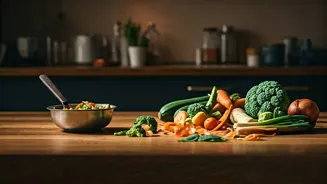
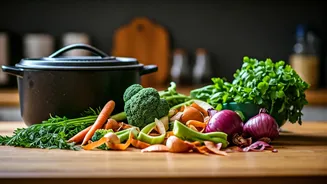
One of the easiest ways to reduce food waste is to save the odds and ends from your vegetable prep. Keep a large freezer bag or container and fill it with clean scraps like onion ends, carrot peels, celery butts, mushroom stems, and leek tops. Avoid cruciferous vegetables like broccoli or cabbage, as they can make the stock bitter. Once the bag is full, simply empty the frozen scraps into a large pot, cover with water, add a bay leaf and some peppercorns, and simmer for at least an hour. Strain the liquid, and you have a flavorful, free vegetable stock to use as a base for soups, stews, and sauces. It’s a simple trick that transforms garbage into a pantry staple.
The Foundation: A Simple Compost Bin
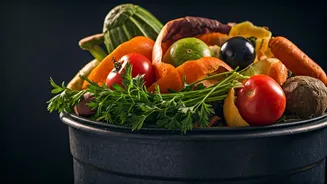
While targeted uses are great, the ultimate way to handle kitchen waste is composting. It turns a wide array of food scraps—along with yard trimmings, cardboard, and newspaper—into "black gold," a nutrient-dense soil amendment that improves soil structure, retains moisture, and feeds your plants. You don’t need a fancy setup. A simple pile in a corner of your yard, a tumbler, or even a worm bin (vermicomposting) for apartment dwellers will work. The key is to maintain a healthy balance of nitrogen-rich "greens" (like fruit and veggie scraps) and carbon-rich "browns" (like dry leaves and shredded paper). In a few months, you’ll have a free, continuous supply of the best possible food for your garden, creating the ultimate productive loop.