



The Annual Shutdown
Gir National Park, the last sanctuary of the wild Asiatic lion, isn’t a year-round destination. From roughly June 16th to October 15th, the park shuts its gates to all visitors. The reason is the monsoon. The heavy rains that sweep across India transform
the dry, dusty tracks into impassable rivers of mud, making safari operations impossible and unsafe. For the park’s ecosystem, this is a vital period of renewal and rejuvenation, a time when the forest can breathe without the rumble of tourist jeeps. But for wildlife enthusiasts, it marks a hard deadline. The “final safari window” is the frantic, sun-scorched period in late May and early June, right before the deluge begins. It’s a time of urgency, but also one of incredible opportunity.
Why the Heat Is Your Best Friend
Visiting western India in May might sound like a questionable decision. Temperatures soar, and the air is thick with anticipation for the coming rains. It’s hot, dusty, and draining. Yet, for wildlife viewing in Gir, this oppressive heat is precisely the advantage. As seasonal streams and small water bodies evaporate under the relentless sun, the park’s animals are forced to congregate around the few remaining reliable waterholes. This simple ecological fact dramatically increases your odds of a sighting. While lions can be elusive in the lush post-monsoon greenery, in the pre-monsoon heat, their movements become far more predictable. They, along with leopards, sambar deer, and spotted deer (chital), are drawn to water. A patient wait near a known water source can yield sightings that would be pure luck at other times of the year. The heat strips away the forest’s camouflage, putting the incredible fauna on display.
The Pride of India
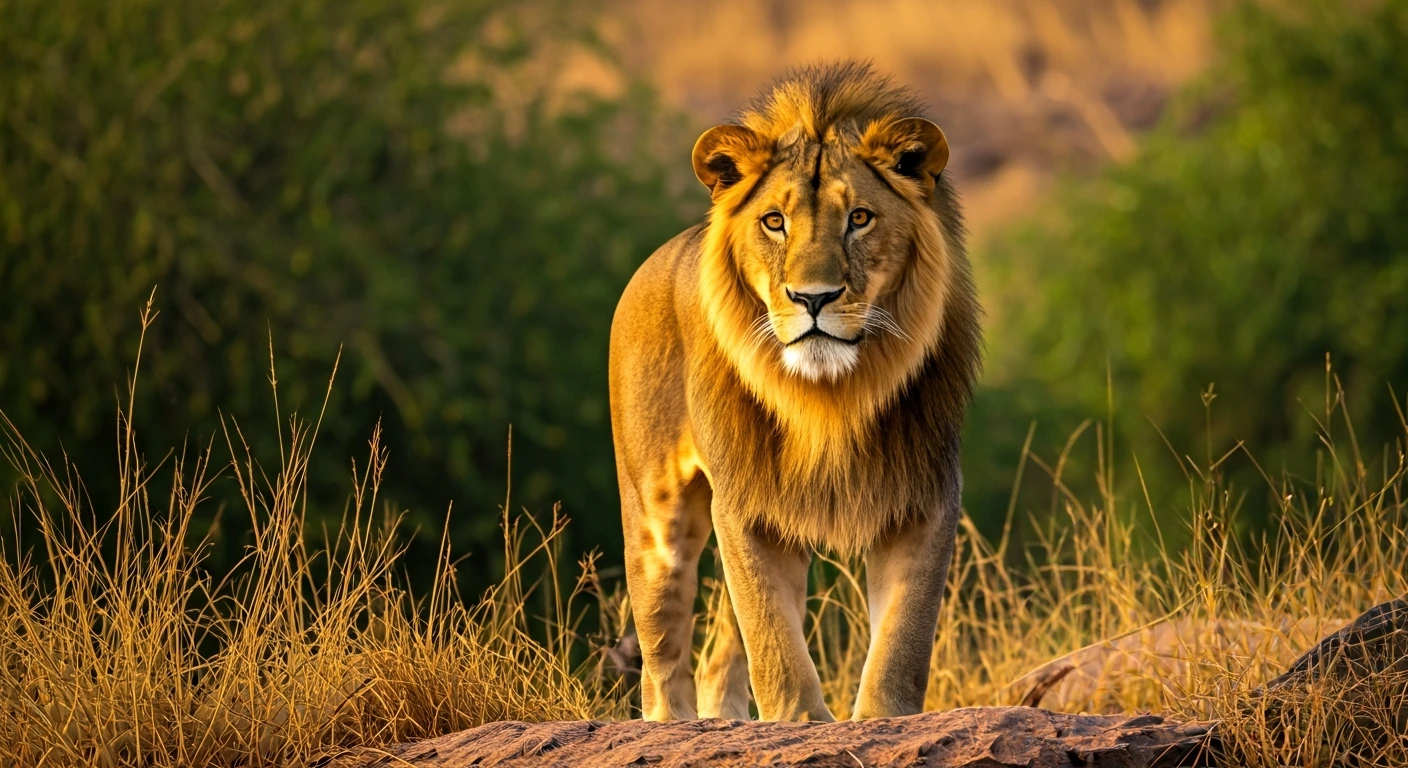
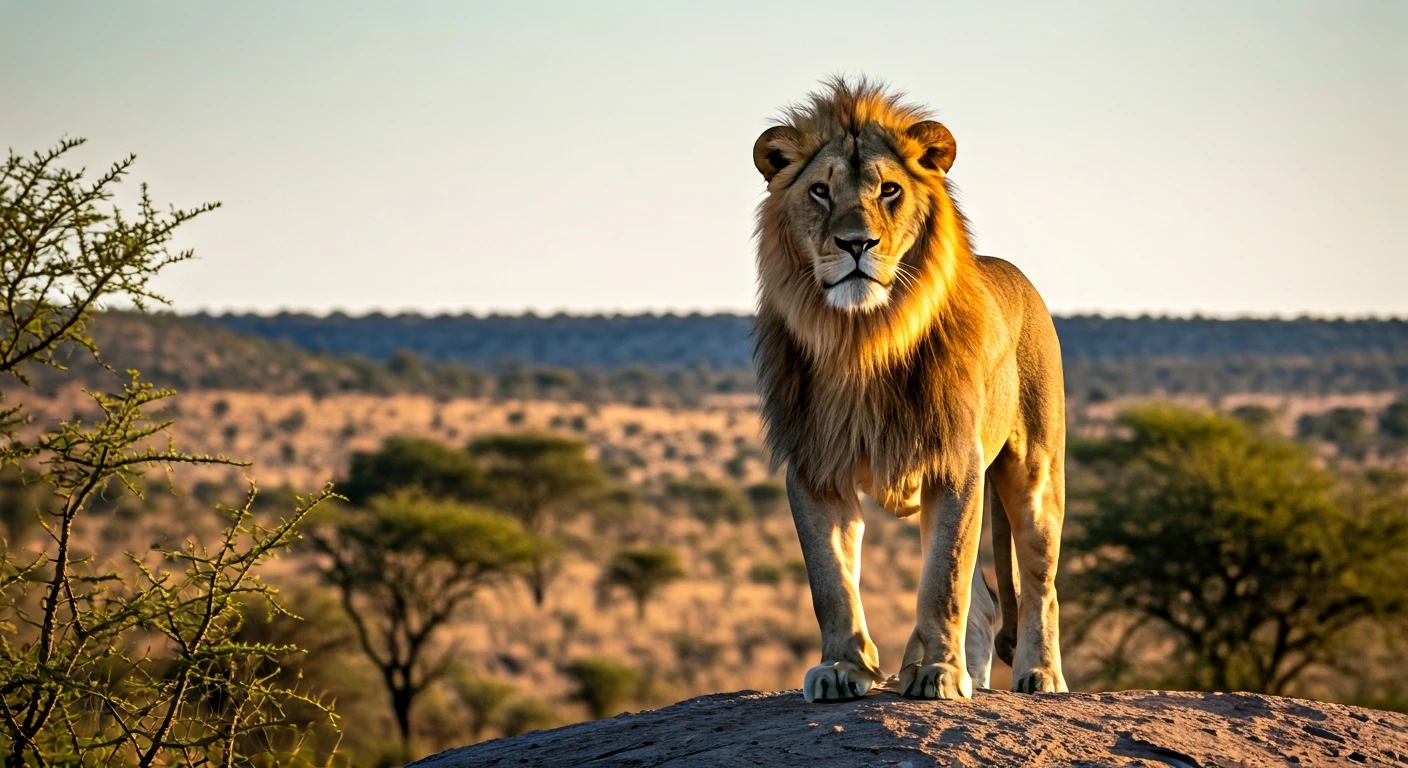
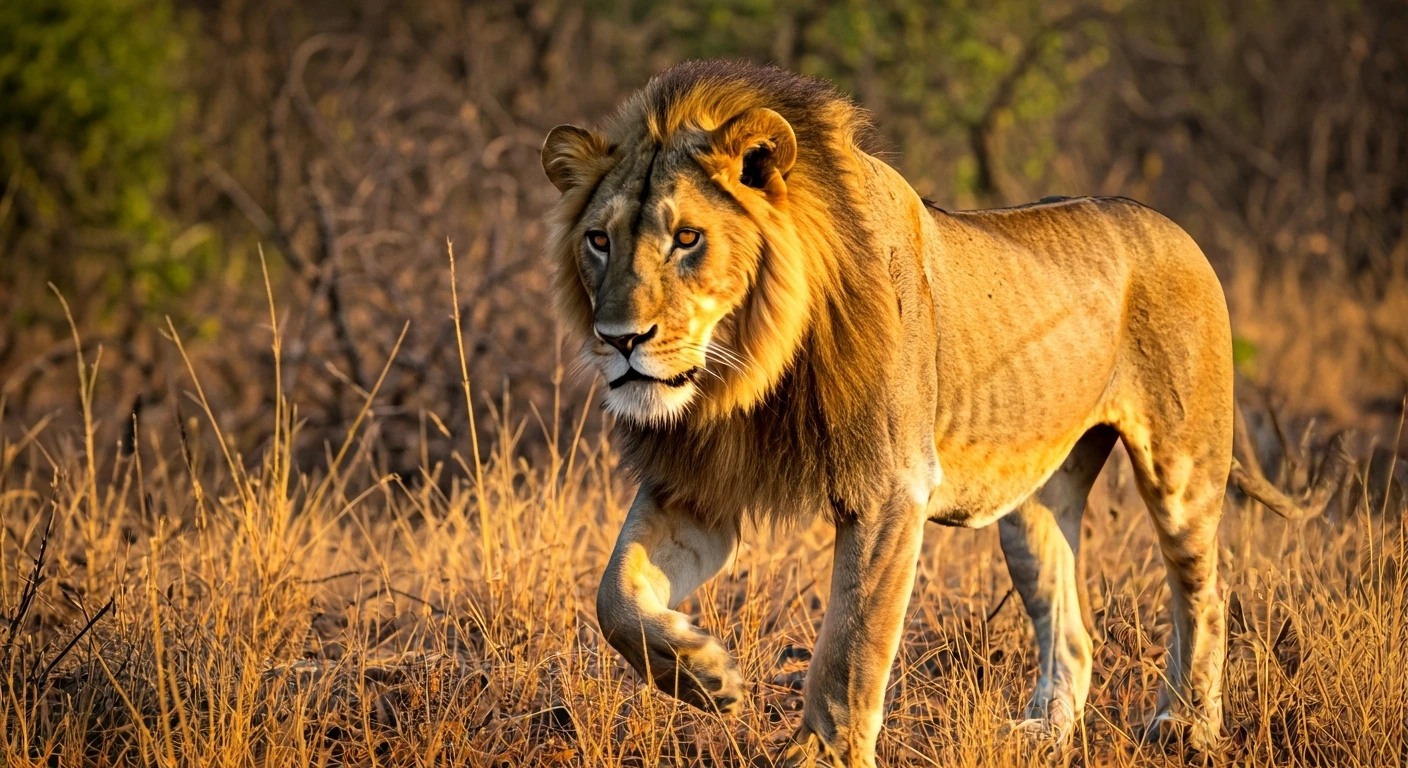
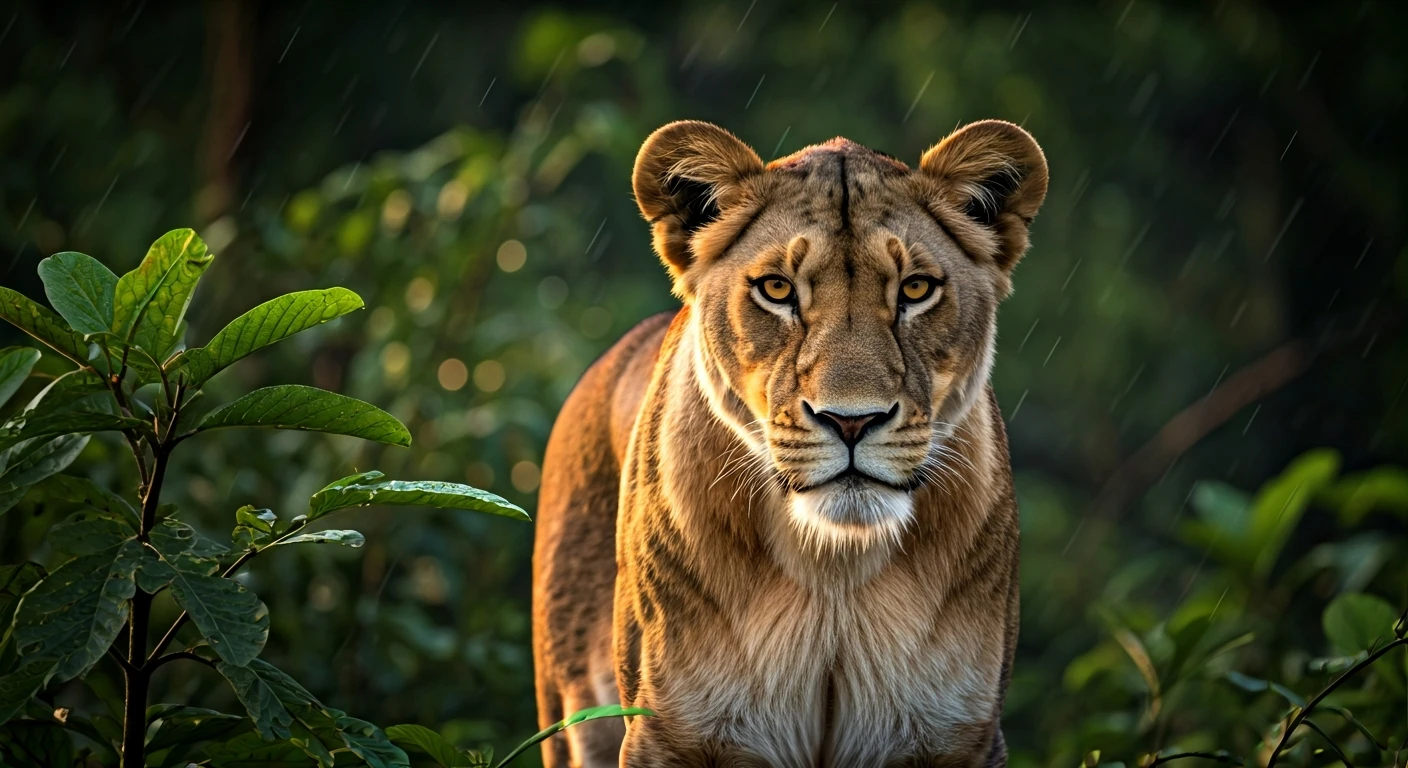
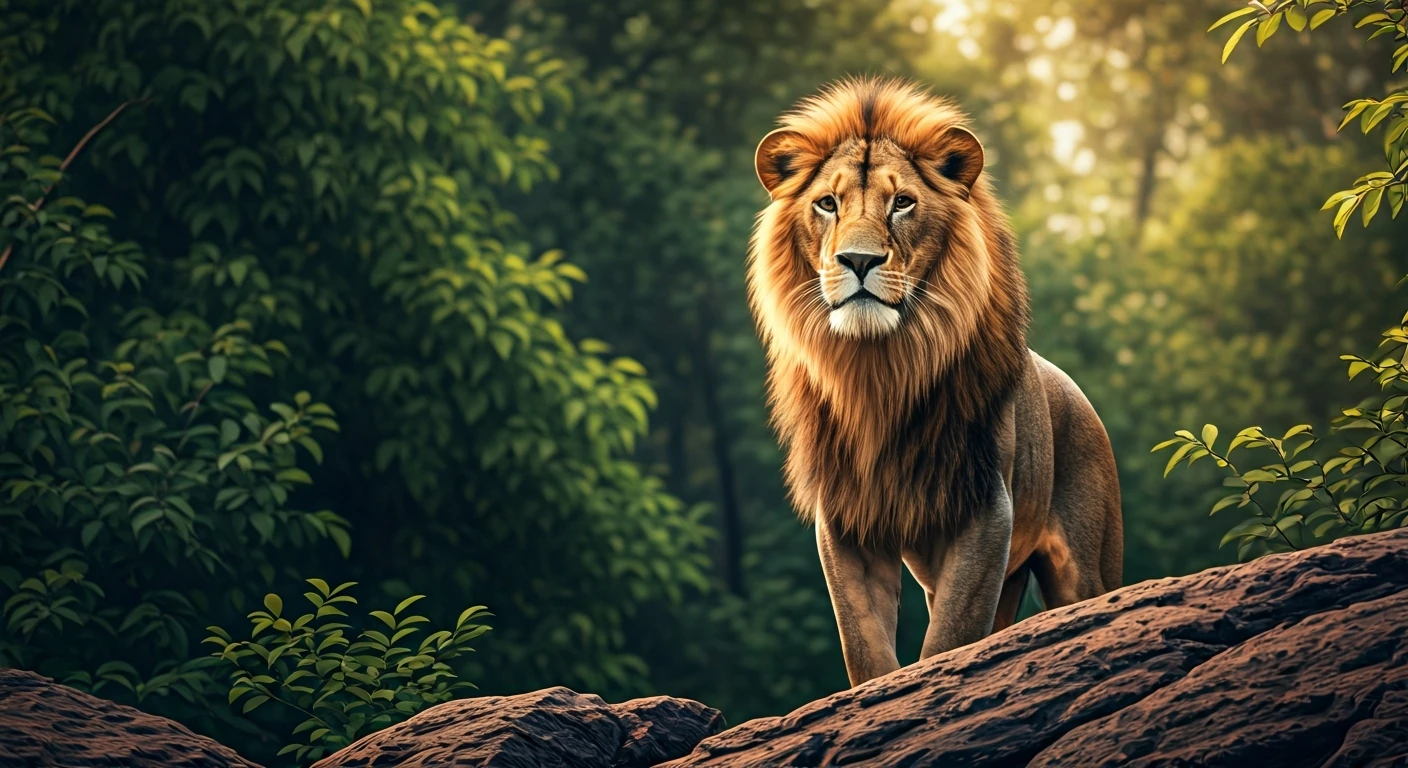
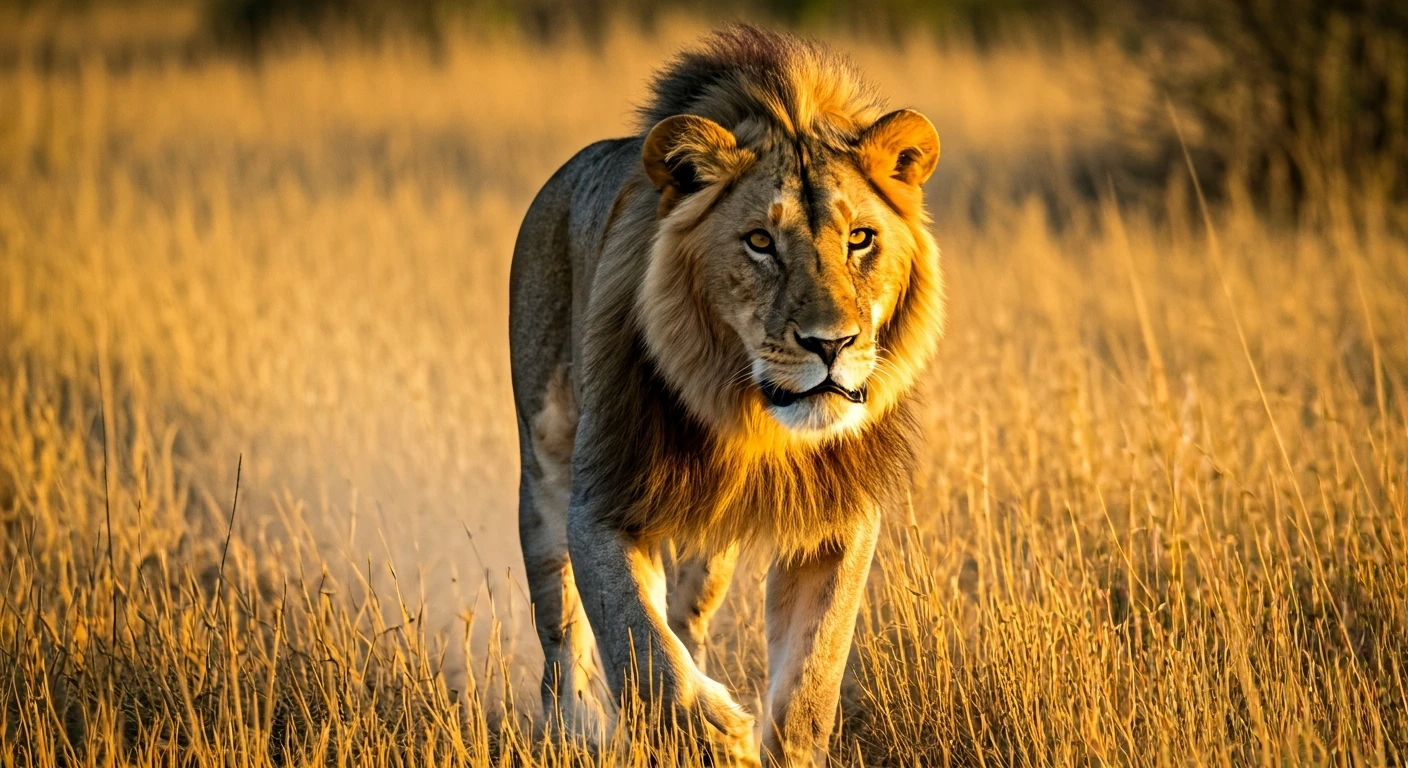
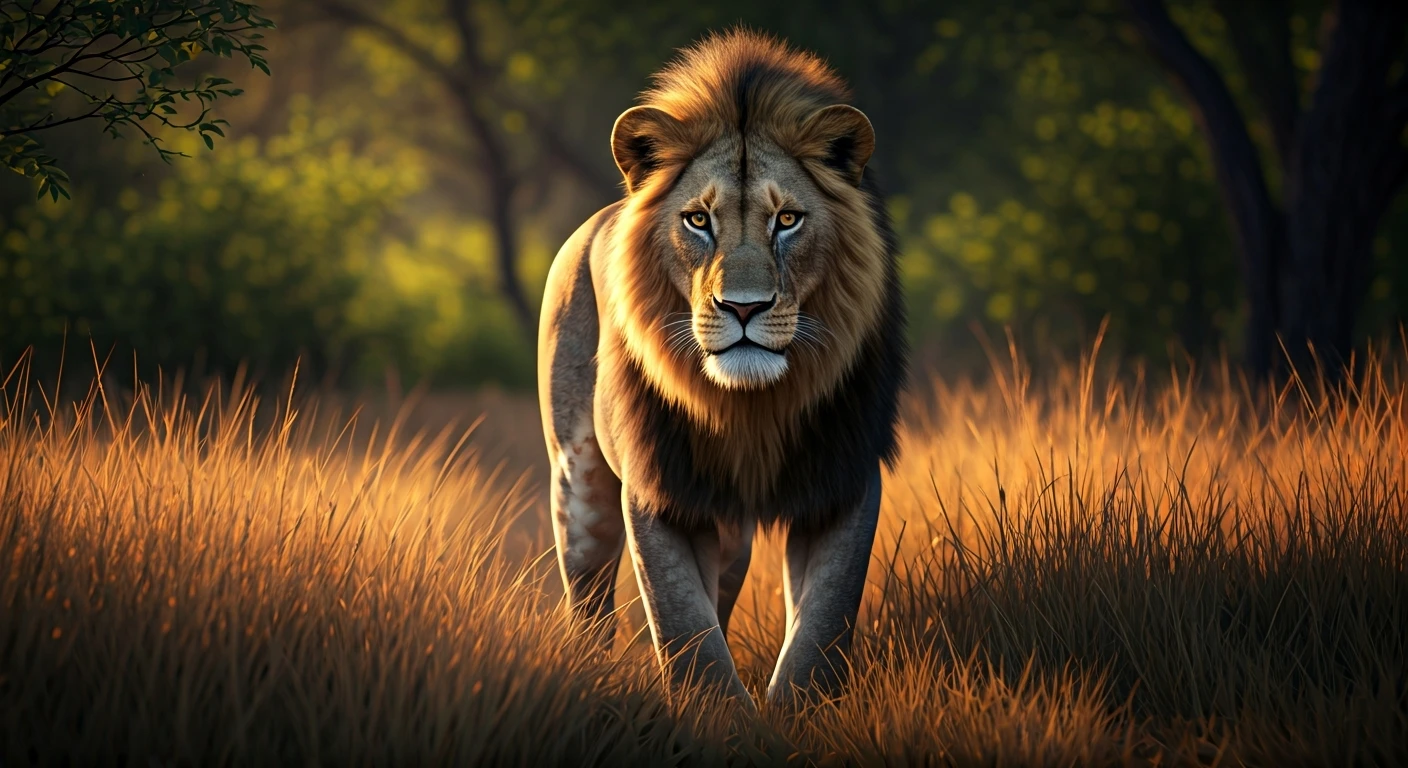
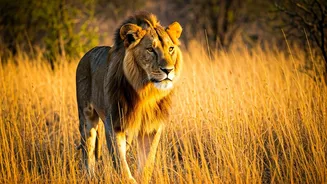
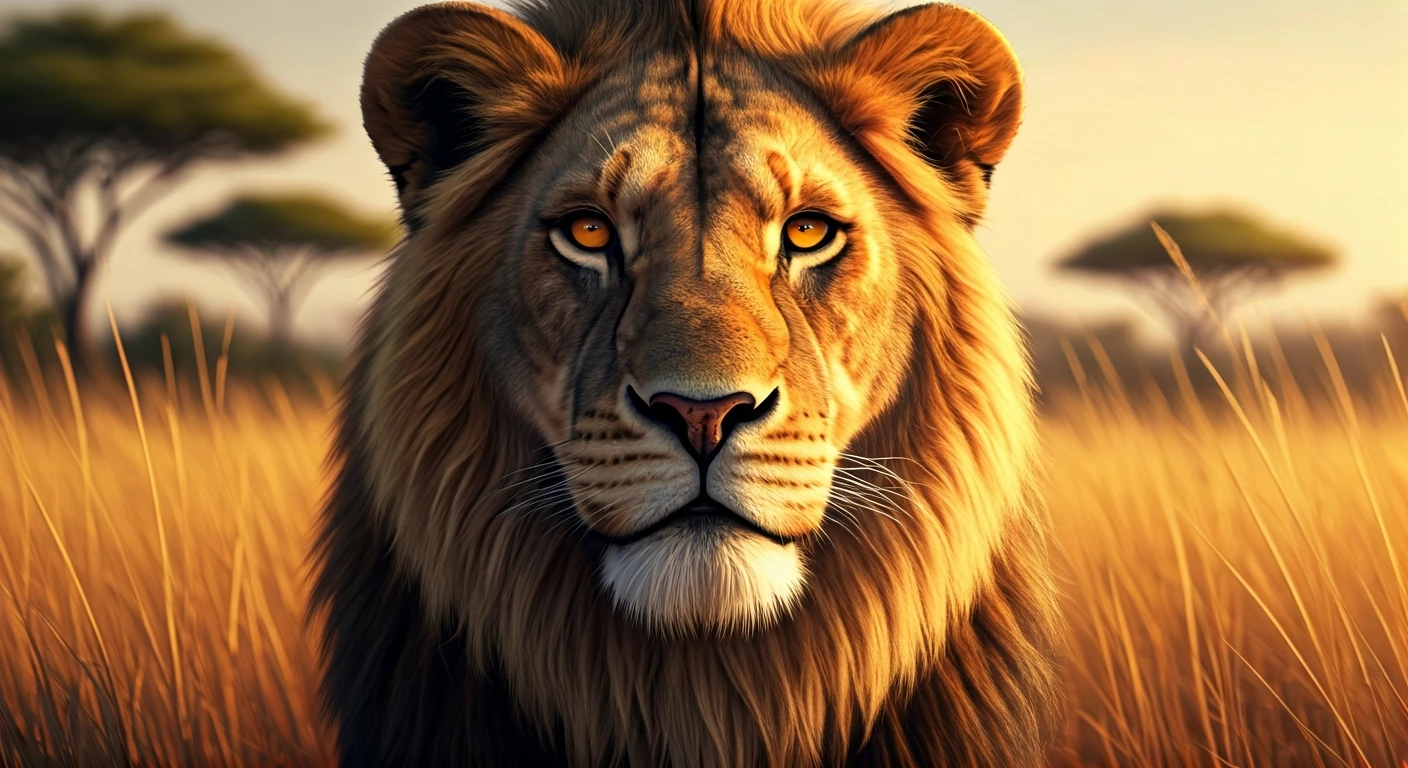
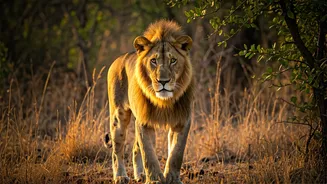
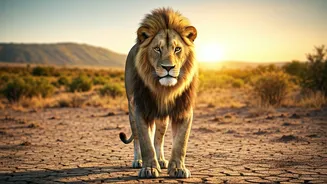
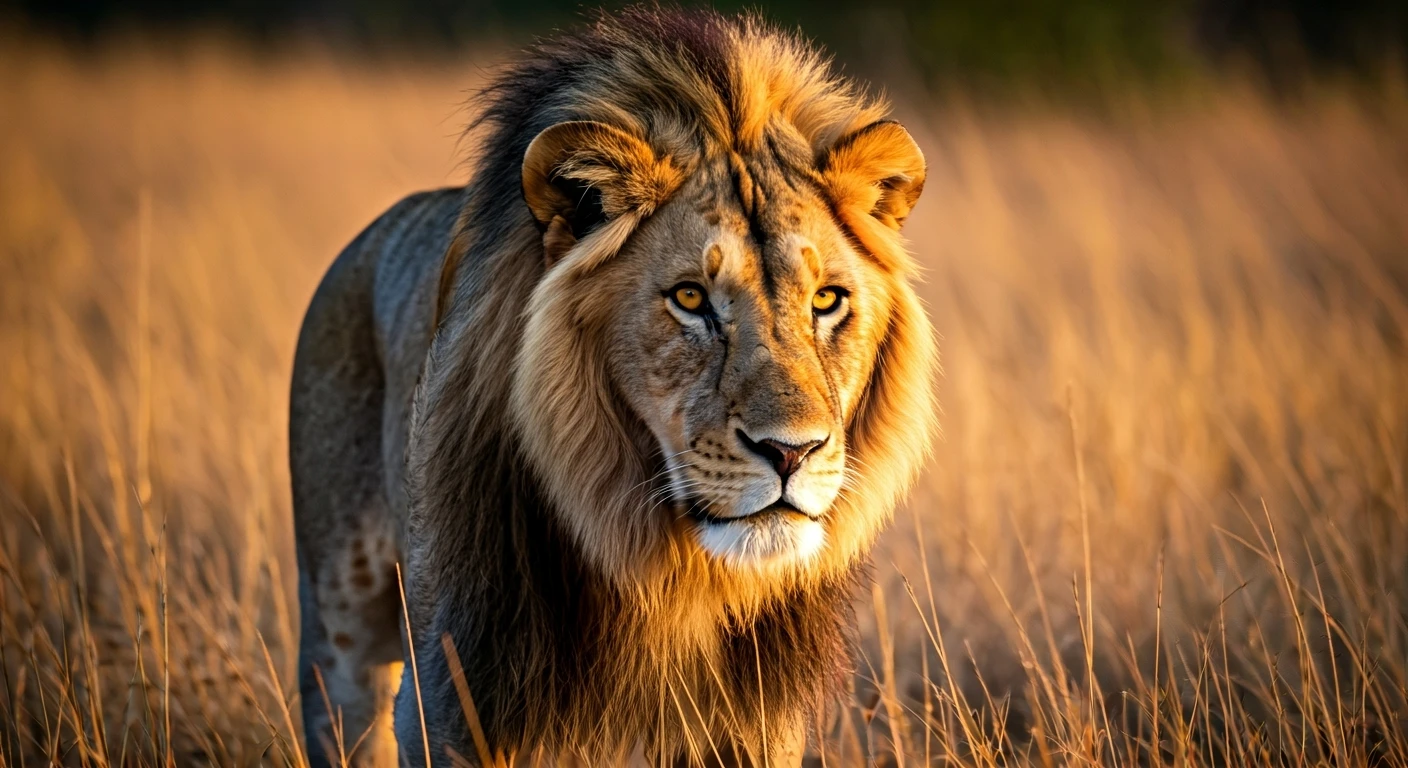
Let’s be clear about the main event: the Asiatic lion. Once roaming from the Middle East to eastern India, this magnificent subspecies was hunted to the brink of extinction, with a mere 20 individuals surviving in the private hunting grounds of the Nawab of Junagadh, who then protected them. Today, thanks to a century of dedicated conservation, their population has rebounded to over 600, but they all live within this single, fragile ecosystem in Gujarat. Seeing one is not like seeing an African lion; it’s a brush with a conservation miracle. They are slightly smaller, with a distinctive fold of skin on their belly and a sparser mane on the males. A safari in Gir isn’t just a thrill; it’s a pilgrimage to witness the last of a kind, a testament to what can be saved when the will is there. The urgency of the closing window adds a layer of poignancy to the experience.
Planning the Last-Minute Sprint
Making a last-minute trip happen requires decisiveness. The first and most critical step is securing a safari permit. These are booked exclusively online through the official government portal and are released in advance. For the final weeks, they sell out almost instantly. You’ll need to be persistent, checking the site for cancellations or newly released slots. Once you have a permit, the rest falls into place. The main hub for the park is the village of Sasan Gir, which has a range of accommodations, from budget guesthouses to luxury eco-lodges. The nearest airports are Diu (about a 2-hour drive) and Rajkot (about a 3.5-hour drive). From there, you can hire a car to get to your hotel. Pack light, breathable clothing, a wide-brimmed hat, sunscreen, and plenty of water. It’s a sprint, not a marathon—a short, intense, and focused trip designed to seize a fleeting opportunity.