






The Pitch: Buttery Soft and Planet-Friendly
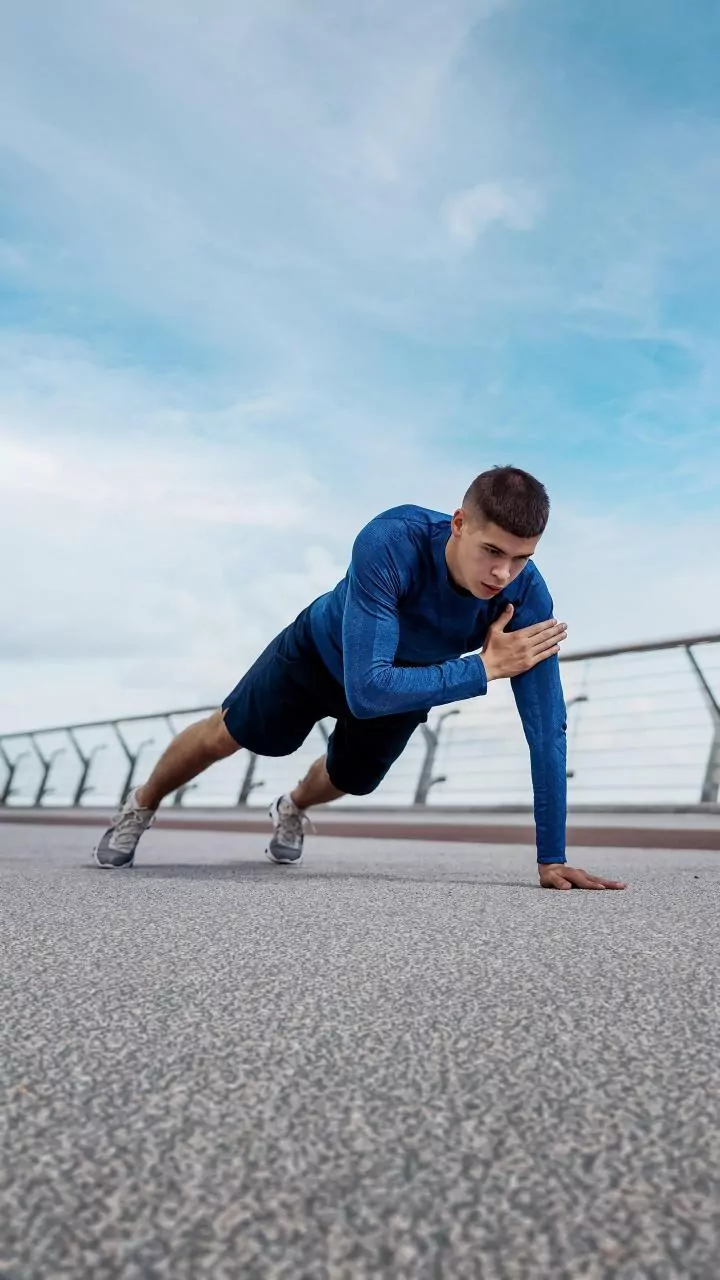
The appeal of bamboo activewear is undeniable. Marketers paint a picture of a perfect fabric: it’s spun from a fast-growing, regenerative plant that requires no pesticides and very little water. The resulting material feels heavenly against the skin—silky,
lightweight, and breathable. It’s also celebrated for its performance features. Brands often claim it’s naturally moisture-wicking, pulling sweat away from the body to keep you cool and dry. The biggest selling point, however, is often its purported anti-microbial and anti-odor properties. The story is simple and seductive: wear a top made from a natural wonder-plant, stay fresh through your workout, and help save the planet all at once. It’s a powerful narrative that has fueled its rise, making it a dominant force in closets from a hot yoga class in Austin to a hiking trail in a national park.
Myth #1: It's Made Directly from Bamboo Plants
Here’s the first reality check. The fabric you’re wearing isn't 'bamboo' in the way a cotton shirt is 'cotton.' You can't just spin fibers from a hard bamboo stalk. Instead, the vast majority of 'bamboo' fabric on the market is actually viscose or rayon. To create it, bamboo wood pulp is dissolved in a harsh chemical bath involving substances like sodium hydroxide (caustic soda) and carbon disulfide, a neurotoxin. This process breaks down the plant cellulose into a thick, sludgy liquid, which is then forced through a spinneret to create threads. The final product is a 'regenerated cellulosic fiber'—a semi-synthetic that has been chemically altered so much that the U.S. Federal Trade Commission (FTC) mandates it be labeled as 'rayon' or 'viscose made from bamboo.' The process is far from the natural, pastoral image of weaving fibers from a bamboo grove.
Myth #2: It’s an Eco-Warrior's Dream Fabric
While the bamboo plant itself can be a sustainable crop, the transformation into fabric often is not. The standard viscose process is notoriously polluting. Carbon disulfide, a key chemical used, is linked to serious health risks for factory workers and can contaminate local air and water if not handled in a closed-loop system. Many overseas factories where this production occurs have lax environmental regulations, leading to the dumping of toxic wastewater that harms ecosystems and communities. While some manufacturers are adopting a more responsible, closed-loop process (similar to how Tencel™ Lyocell is made), it’s not the industry standard for generic 'bamboo' clothing. Unless a brand can specifically certify that its fabric was made in a closed-loop system and that the bamboo was sourced from an FSC-certified forest, the 'eco-friendly' claim is on shaky ground.
Myth #3: It Retains Bamboo's Natural Powers
What about those famous anti-microbial properties? The bamboo plant does contain an agent called 'bamboo kun,' which helps it resist pests and fungi in the wild. However, the FTC and other experts have pointed out that the harsh chemical process used to make viscose destroys this natural property. Any anti-odor or anti-bacterial quality in the final piece of activewear is almost certainly due to chemical treatments added to the fabric after production, not from the original plant. So, while the fabric does feel great and performs well at wicking moisture (a characteristic of rayon), its ability to fight odor is no more 'natural' than that of any other performance fabric treated with similar finishes. The magic is in modern textile chemistry, not an ancient plant power.