
Embracing the Downpour
For generations, the word “monsoon” was a warning for tourists—a signal of washed-out roads, canceled plans, and months to avoid. But a significant shift is underway, particularly in parts of South Asia. Instead of fleeing the rain, a growing number of travelers
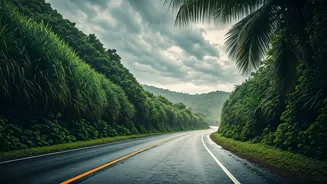
are running toward it. They are actively seeking out the dramatic, atmospheric beauty of the rainy season, turning the traditional travel calendar on its head. This isn't about salvaging a rained-out vacation; it's about booking a trip specifically *for* the rain. Tour operators and booking platforms are reporting a surprising surge in demand for destinations not in their sunny peak season, but in the heart of their wettest months.
The Allure of the Cascade
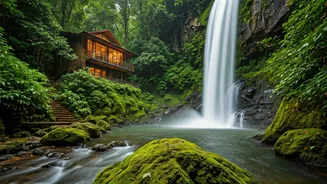
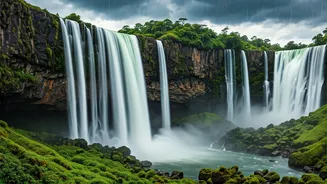
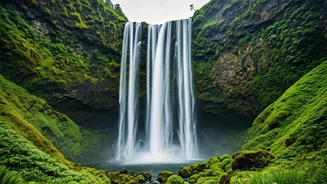
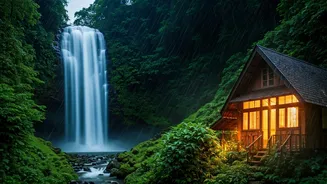
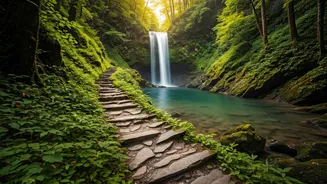
The main driver of this trend is a single, powerful attraction: the waterfall. Landscapes that lie dormant for much of the year are dramatically reborn during the monsoon. A modest trickle down a rock face can transform into a spectacular, roaring cascade, and travelers want a front-row seat. This seasonal spectacle has become the centerpiece of a new travel itinerary. Social media feeds that once prized clear horizons are now filled with images of moody, mist-shrouded hills and water plunging hundreds of feet into lush valleys. The appeal is visceral. It’s a multi-sensory experience—the cool spray on your face, the deafening sound that drowns out everything else, and the sight of nature at its most raw and powerful.
More Than Just a Room
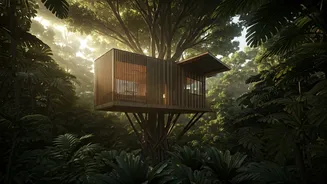
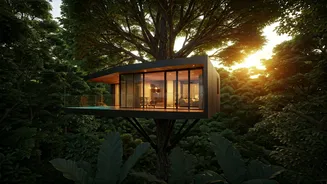
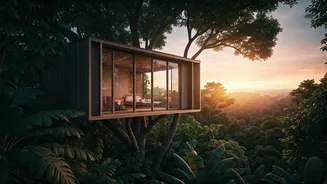
This movement isn't sending travelers to large, impersonal resorts. The accommodation of choice is the homestay. These smaller, often family-run properties offer an intimate and authentic experience that a conventional hotel can’t match. Nestled in the hills or overlooking verdant plantations, homestays provide a cozy refuge from the downpour. Guests can spend an afternoon sipping hot tea on a veranda while watching the rain sweep across the valley, enjoy home-cooked regional meals, and get local tips on the best (and safest) viewpoints for the nearby falls. This preference for homestays highlights a desire for connection—not just with nature, but with the local culture. It’s less about being a tourist and more about being a temporary resident, fully immersed in the seasonal rhythm of the place.
From Goa to the Ghats
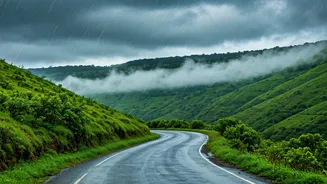
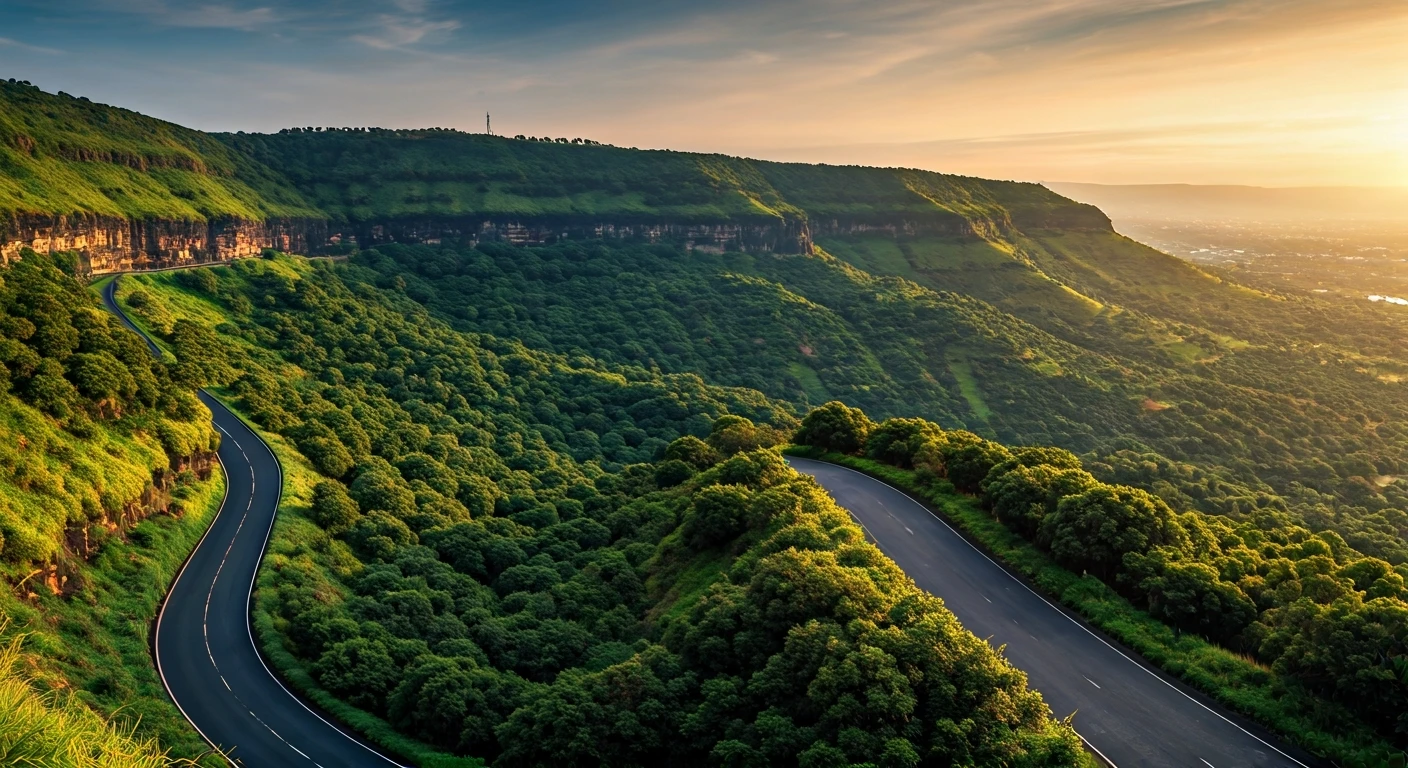
The epicenter of this trend is India’s Western Ghats, a mountain range running parallel to the country’s western coast. During the monsoon, this UNESCO World Heritage site becomes a paradise of green. States like Goa, typically famous for their beaches, are seeing a new wave of visitors heading inland to destinations like Dudhsagar Falls. In Maharashtra, the hill stations of Lonavala and Mahabaleshwar, a short drive from Mumbai and Pune, become magnets for weekenders chasing waterfalls. Further south, the verdant hills of Kerala, particularly around Munnar and Wayanad, are dotted with homestays catering to monsoon tourists who come to see the landscape in its most vibrant state. These regions have built a micro-economy around the rains, with bookings for properties near waterfalls showing a significant spike from June to September.
A Deeper Shift in Wanderlust
Ultimately, the rise of waterfall-driven monsoon tourism speaks to a broader evolution in what we seek from travel. After years of chasing an idealized, filtered version of perfection, many are now drawn to experiences that feel more real, elemental, and untamed. It reflects a move toward “slow travel,” where the goal is not to check off a list of sights but to simply be present and absorb the atmosphere. This trend celebrates the beauty in imperfection—the moody skies, the muddy trails, and the awesome power of a storm. It suggests that a truly memorable escape doesn't require constant sunshine, but a willingness to embrace a place in all its forms, rain or shine.