



Why 'Eating Your Water' Works
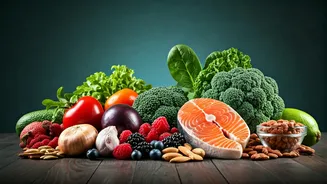
While drinking plain water is essential, the concept of 'eating your water' is gaining traction for a simple reason: it's incredibly effective. Many fruits and vegetables are composed of over 90% water. When you eat these foods, you're not just ingesting
H2O; you're also getting a package of electrolytes, vitamins, and fiber. This combination can actually help your body absorb and retain fluid more efficiently. The sugars and salts (electrolytes like potassium and sodium) in produce help pull water into your cells. Think of it less as a replacement for your water bottle and more as a powerful, delicious supplement that makes your hydration efforts work harder, especially when you're sweating out minerals in the summer heat.
The Undisputed King: Watermelon
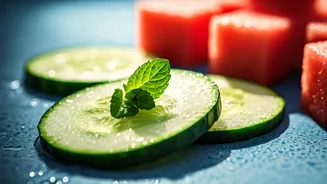
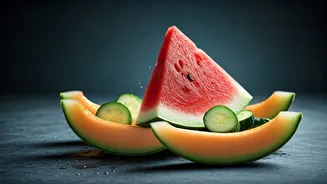
It’s no surprise that watermelon, at about 92% water, is a poster child for this trend. It’s practically summer in food form. Beyond its sheer water content, watermelon is a fantastic source of lycopene, a powerful antioxidant linked to sun protection and heart health. It also contains the amino acid citrulline, which may help improve blood flow. Keep cubes of it in the fridge for an easy, cooling snack, blend it into a refreshing agua fresca with a squeeze of lime, or toss it with feta and mint for a classic savory-sweet salad. It’s a versatile way to make hydration feel like a treat.
Crisp and Cool: Cucumbers and Celery
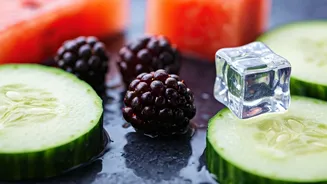
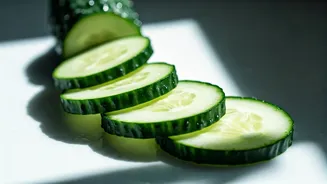
If watermelon is the king, cucumber is the cool, collected advisor. Composed of about 96% water, cucumbers are one of the most hydrating foods you can find. Sliced into salads, blended into green smoothies, or simply infused in a pitcher of water, they provide a refreshing boost with minimal calories. Don’t sleep on celery, either. At 95% water, its satisfying crunch delivers not just hydration but also a dose of potassium and vitamin K. Both vegetables are perfect for dipping in hummus or yogurt-based dips, adding another layer of fluid and protein to your snack.
Berries and Melons: Nature's Hydration Pods
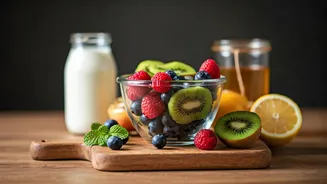
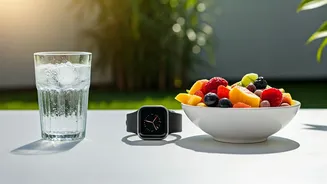
Don't stop at watermelon. Other melons like cantaloupe (90% water) and honeydew are hydration powerhouses packed with potassium, a crucial electrolyte for balancing fluid levels. Strawberries are another fantastic choice, ringing in at 91% water. They’re also loaded with vitamin C and flavonoids, which contribute to their antioxidant properties. A bowl of mixed berries and melon is more than just a light dessert; it’s a strategic hydration tool. They’re easy to pack for a picnic, toss into yogurt, or blend into a smoothie for a quick, on-the-go fluid boost.
Think Beyond Raw Produce
This trend isn't just about eating raw fruits and vegetables. You can incorporate hydrating foods into meals in smarter ways. A chilled gazpacho, for instance, is essentially a savory, drinkable salad made from tomatoes, peppers, and cucumbers. Smoothies are an obvious win, combining fruits with a liquid base like yogurt or milk (both of which have high water content). Even a simple bowl of plain yogurt or cottage cheese can contribute to your daily fluid intake. For a surprising option, consider brothy soups. While a hot soup might not scream 'summer,' a light vegetable or chicken broth is fundamentally water enriched with sodium and other minerals, making it excellent for rehydration.
Smarter Sips for Extra Credit
Finally, when you are reaching for a drink, you can still think beyond plain water. Unsweetened iced tea (green or black) is a great hydrator. Coconut water has become popular for a reason; it's naturally rich in electrolytes like potassium, making it a fantastic post-workout or hot-day drink. You can also make your own 'spa water' by infusing a pitcher with slices of cucumber, lemon, mint, or berries. It adds a hint of flavor and nutrients, making it more appealing to sip throughout the day without adding sugar or artificial ingredients.