




First, What Is 'Fiber Maxxing'?
If you spend any time in the wellness corners of TikTok or Instagram, you’ve likely encountered the term. 'Fiber maxxing' is exactly what it sounds like: a conscious effort to maximize your dietary fiber intake. It’s a reaction against hyper-processed
foods and a move toward optimizing gut health, which a growing body of research links to everything from mood and immunity to metabolic function. Proponents aren't just sprinkling a little bran on their yogurt; they're strategically eating a wide variety of fiber-rich plants to feed their gut microbiome. The goal is diversity and volume. While mainstream health food stores offer expensive options like artichoke hearts, organic raspberries, and chicory root, a savvier, more budget-conscious crowd is finding their fiber fix in a different kind of market.
The Unlikely Stars of the Show
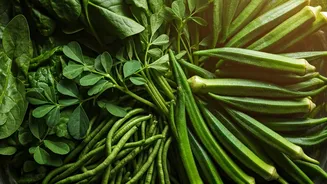
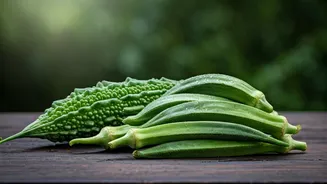
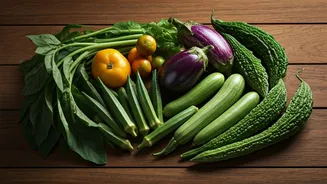
Enter the humble Indian grocery store. For generations, these markets have served diaspora communities, stocking produce that rarely, if ever, appears in a typical American supermarket. Vegetables like karela (bitter melon), tinda (apple gourd), and guar (cluster beans) are nutritional powerhouses, packed with the very soluble and insoluble fibers that 'maxxers' are seeking. The trend represents a collision of worlds: ancient agricultural staples meeting a thoroughly modern, internet-driven wellness movement. For those tired of paying a premium for the 'superfood of the week,' these vegetables offer an affordable, effective, and authentic alternative. They are the antithesis of a slickly marketed wellness product; they are simply food, proven by centuries of use.
Your Field Guide to Fiber-Rich Finds
Walking into an Indian produce section can be intimidating if you don’t know what you’re looking for. Many vegetables are unnamed, or have names that vary by region. But armed with a little knowledge, you can unlock a treasure trove of flavor and fiber. Here are a few standouts to get you started:
Bitter Melon (Karela)
Don’t let the name scare you. Yes, it’s bitter—intensely so. This bumpy, cucumber-like gourd is an acquired taste, but its fans are legion. Extremely high in fiber and known in traditional medicine for its blood sugar-regulating properties, it’s often stuffed with spices and pan-fried or added to lentil dishes. The bitterness mellows with cooking, and for many, it becomes a crave-worthy flavor. It's a true test of a culinary adventurer and a fiber-maxxing champion.
Drumsticks (Moringa)
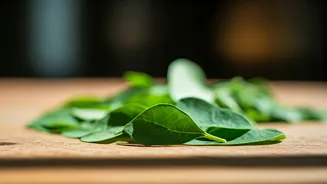
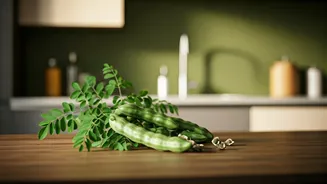
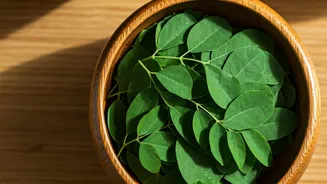
These are not for poultry. 'Drumsticks' are the long, slender seed pods of the moringa tree, often called a 'miracle tree' for its nutrient density. While the leaves are famously sold as a powdered supplement, the pods are a vegetable staple. They are woody on the outside with a soft, pulpy interior. You can’t eat the exterior; instead, you boil them in stews (like the South Indian classic, sambar) and then scrape or suck out the tender flesh and seeds. They are exceptionally high in fiber, Vitamin C, and other micronutrients.
Cluster Beans (Guar)
You may know its derivative better than the bean itself. Guar gum, a common thickener in processed foods, comes from these flat, green beans. In their whole form, cluster beans have a uniquely firm, slightly chewy texture and are typically chopped and sautéed with spices like turmeric, cumin, and chili. They provide a satisfying bite and a substantial dose of fiber, making them a hearty addition to any meal.
More Than Just a Health Trend
While the West may be 'discovering' these vegetables through the lens of a social media trend, it's crucial to remember they are not new. They are foundational elements of one of the world's great cuisines, sustaining hundreds of millions of people for centuries. This newfound popularity is a wonderful bridge, inviting people to explore the cultural context behind the food. Learning to cook with these vegetables isn’t just about boosting your fiber; it’s about appreciating the culinary wisdom passed down through generations—a wisdom that has always understood the power of plants.