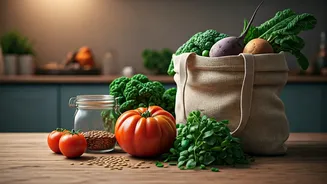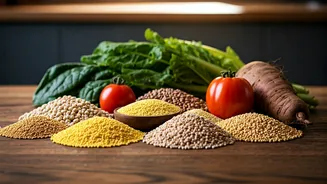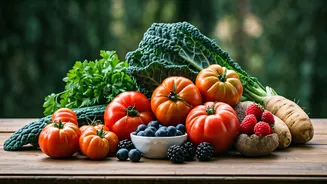





First, What Does 'Climate-Smart' Mean?
The term “climate-smart” can feel vague, but it boils down to this: choosing foods that have a lower environmental footprint from farm to fork. This isn't just about eating less meat, though that's a well-known part of the equation. It’s a broader approach
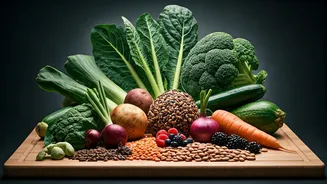
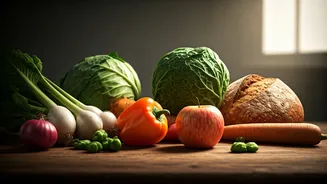
that considers how food is grown, processed, transported, and even packaged. A climate-smart plate might feature vegetables from a farm practicing regenerative agriculture, which restores soil health and captures carbon. It could include a snack made from “upcycled” ingredients that would have otherwise gone to waste. Or it might simply mean prioritizing local, seasonal produce that didn't travel thousands of miles. The goal isn't purity; it's about making incremental, informed choices that collectively reduce the strain our food system places on the planet.
Smarter Farming Hits the Grocery Aisles
One of the biggest shifts is happening in the soil itself. A growing number of farmers are embracing “regenerative agriculture,” a set of practices that go beyond organic. These methods—like no-till farming, planting cover crops, and rotational grazing—help rebuild soil organic matter, improve the water cycle, and, crucially, pull carbon dioxide out of the atmosphere and store it in the ground. For a long time, these products were niche. Now, you can find them more easily. Look for certifications like Regenerative Organic Certified (ROC) or seals from organizations like Land to Market on products ranging from cereals and pasta to meat and dairy. Brands are also increasingly highlighting these farming practices on their packaging, giving you a direct line to supporting healthier ecosystems.
The Plant-Based Boom Gets an Upgrade
The first wave of mainstream plant-based eating was dominated by burgers that mimicked beef. While those options are still popular, the market has matured significantly, making it more practical for all tastes. The dairy-free aisle is a perfect example; oat, almond, soy, and even pea-protein milks are now standard. Plant-based cheeses have vastly improved in taste and texture, and yogurts made from coconut or cashews are commonplace. More importantly, there's a renewed focus on celebrating plants as they are. Innovative companies are creating delicious meals, sauces, and snacks from whole vegetables, legumes, and grains, moving beyond simple imitation and offering genuinely new culinary experiences. This wider variety means you don't have to build your entire meal around a meat substitute; you can easily integrate climate-friendlier options into every part of your day.
Fighting Waste Becomes Delicious
Nearly 40% of food in the U.S. is wasted, a major source of greenhouse gas emissions. The “upcycled” food movement tackles this problem by turning overlooked or surplus ingredients into high-quality new products. Think of pretzels made from the spent grain from beer brewing, chips made from imperfect sweet potatoes, or powders and snacks made from the nutrient-rich pulp left over from juicing. The Upcycled Food Association now has a certification mark, making these products easier to spot. This trend transforms what was once considered trash into treasure, allowing you to vote against food waste with your wallet while discovering unique and tasty new foods.
Your Supermarket Is Catching On
Retailers and restaurants are finally making it easier for consumers to make informed decisions. Some grocery stores are creating dedicated “sustainable” or “eco-friendly” sections, curating products that meet specific environmental standards. Others are using shelf-tagging systems to highlight local producers or brands with strong sustainability commitments. In the restaurant world, some chains are starting to experiment with carbon labeling, showing the emissions associated with each menu item, just like calorie counts. While not yet widespread, these initiatives signal a powerful shift. They take the research burden off you, the shopper, and integrate climate considerations directly into the point of purchase, making a climate-smart choice as easy as reading a label.