






From Niche Pursuit to Mainstream Topic
Not long ago, the term “longevity” conjured images of Silicon Valley executives spending millions on elaborate, data-driven routines to reverse their biological age. It felt like science fiction, an exclusive club for those who could afford personal chefs,
full-body MRI scans, and experimental treatments. While that high-end market certainly still exists, the fundamental pillars of longevity science have quietly gone mainstream. The biggest shift isn’t a single miracle pill; it’s the democratization of information. Scientists and physicians like Dr. Peter Attia and Dr. Andrew Huberman have amassed huge followings by translating complex medical research into practical, actionable advice for the public through podcasts and books. They’ve helped reframe longevity not as a quest for immortality, but as the pursuit of “healthspan”—the number of years you live in good health, free from chronic disease. This has shifted the focus from expensive, unproven hacks to evidence-backed strategies anyone can adopt.
The Data Revolution on Your Wrist
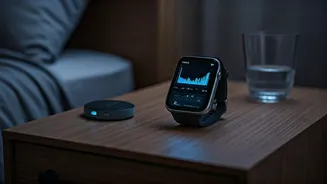
The second major driver of this change is technology. The same sensors and data-processing power that were once confined to research labs are now available in consumer-friendly devices. Wearables like the Apple Watch, Oura Ring, and Whoop strap provide daily insights into crucial health markers. They track sleep quality, heart rate variability (HRV), resting heart rate, and activity levels—metrics that form the bedrock of understanding your body’s recovery and stress. Even more advanced tools are becoming accessible. Continuous glucose monitors (CGMs), once exclusively for diabetics, are now being used by health-conscious individuals to see in real-time how food, exercise, and stress affect their blood sugar. Understanding and stabilizing glucose is a cornerstone of metabolic health, which is directly linked to preventing age-related diseases. As these technologies become cheaper and more widespread, they give regular people a level of personalized health data that was once unimaginable.
The Low-Tech Pillars of a Long, Healthy Life
Perhaps the most empowering part of the new longevity movement is its renewed emphasis on the basics—no gadgets required. The scientific consensus is clear: the most powerful interventions for extending healthspan are shockingly low-tech and low-cost. These foundational practices deliver the vast majority of the benefits. 1. **Exercise:** This is widely considered the single most potent “drug” for longevity. The science points to a specific prescription: a mix of Zone 2 cardio (steady-state exercise where you can hold a conversation) to build mitochondrial efficiency, and strength training to maintain muscle mass, which is crucial for metabolic health and stability as we age. 2. **Nutrition:** While diets come and go, the principles of nutritional longevity focus on avoiding processed foods, consuming adequate protein to support muscle, and maintaining a healthy weight. Strategies like time-restricted eating (intermittent fasting) have also gained popularity as a tool for improving metabolic flexibility, and they cost nothing to implement. 3. **Sleep:** The non-negotiable foundation. High-quality sleep is when the body clears cellular waste, consolidates memory, and regulates hormones. Poor sleep is a direct accelerant of the aging process. Improving sleep hygiene—consistency, a dark and cool room, and avoiding late-night screens—is a free and powerful tool.
The Frontier: Supplements and What's Next
Of course, there is still a frontier where billionaires play. This is the realm of prescription drugs being studied for anti-aging properties (like Metformin and Rapamycin) and the ever-expanding market of supplements like NMN or resveratrol. However, it’s crucial to approach this area with caution. The evidence for many of these interventions in healthy humans is still emerging, and self-experimenting can be risky. For most people, the conversation around supplements is a distraction from the foundational work of diet, exercise, and sleep. The true democratization of longevity isn't about getting access to the most exotic pill; it’s about understanding that you don't need it to make a profound difference in your long-term health.