

The Star of Summer's Opening Act
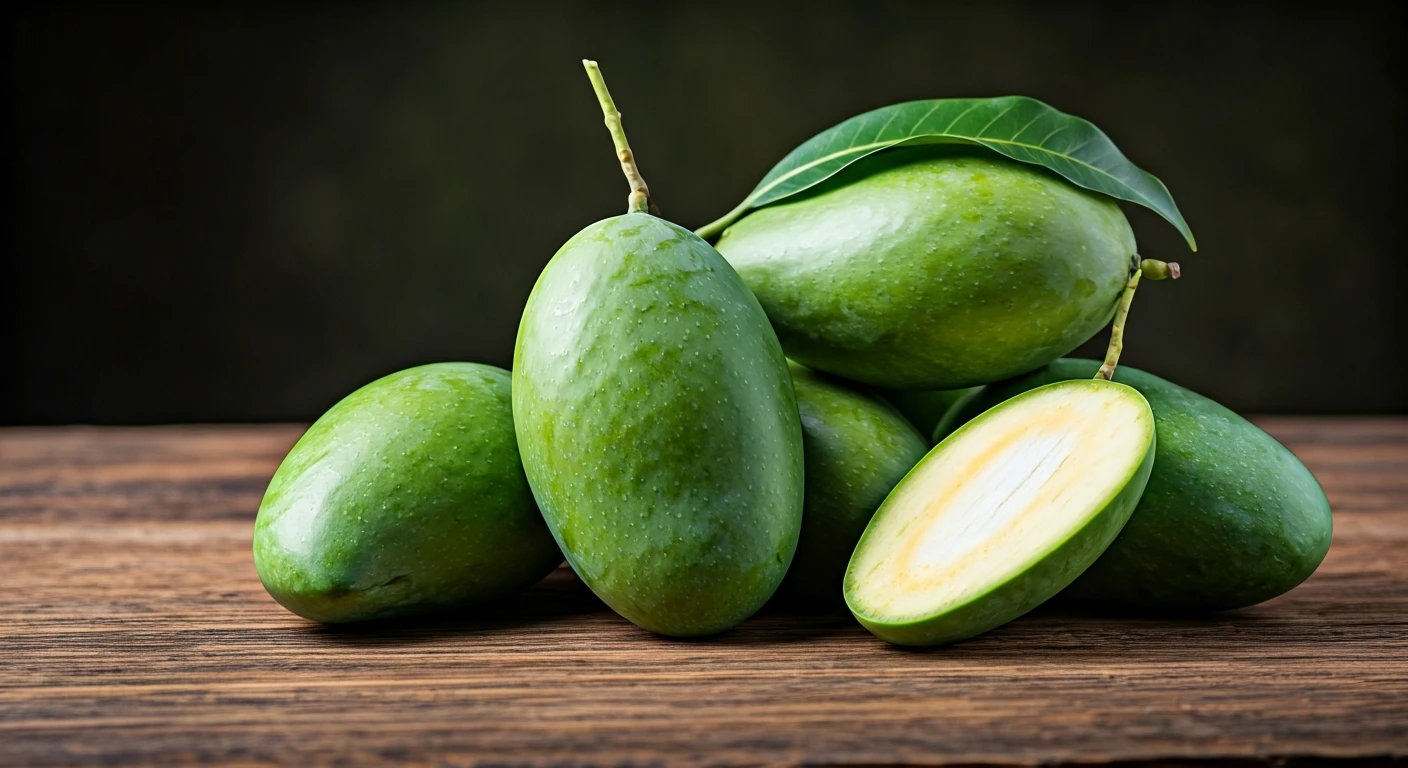
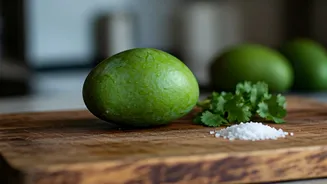
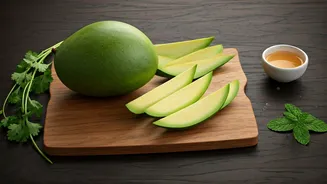
Before the sweet, golden mangoes of midsummer take over fruit bowls, their younger sibling gets the spotlight. Kairi, the Hindi word for raw or green mango, is the crisp, mouth-puckeringly sour fruit that marks the transition from spring to summer. For
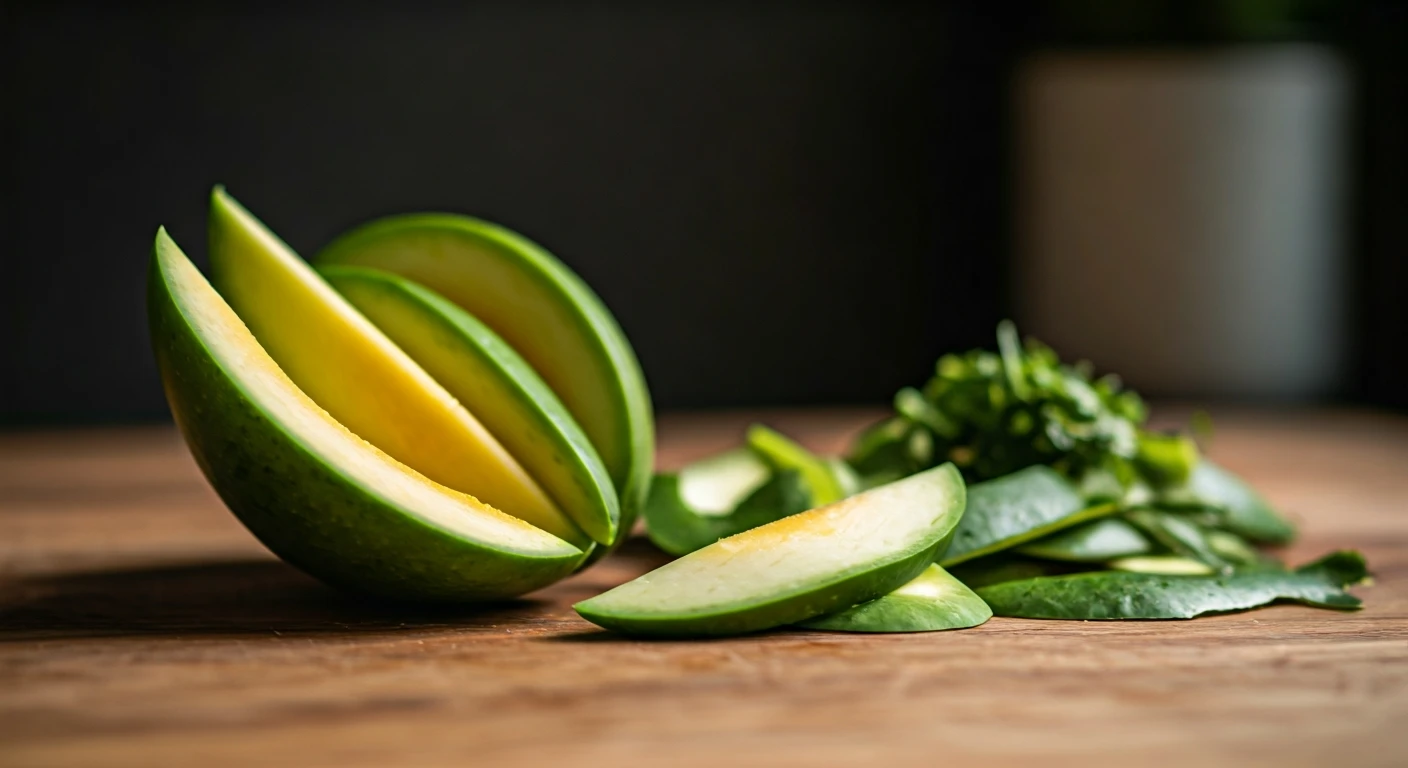
millions in the Indian diaspora, its arrival is less a simple market find and more a highly anticipated cultural event. Unlike its ripe counterpart, kairi isn't meant for eating fresh out of hand. Its firm, pale flesh and intense tartness make it a culinary powerhouse, the essential ingredient for a host of seasonal dishes that carry the flavors of nostalgia, family, and long, sun-drenched afternoons.
A Craze Rooted in Tradition
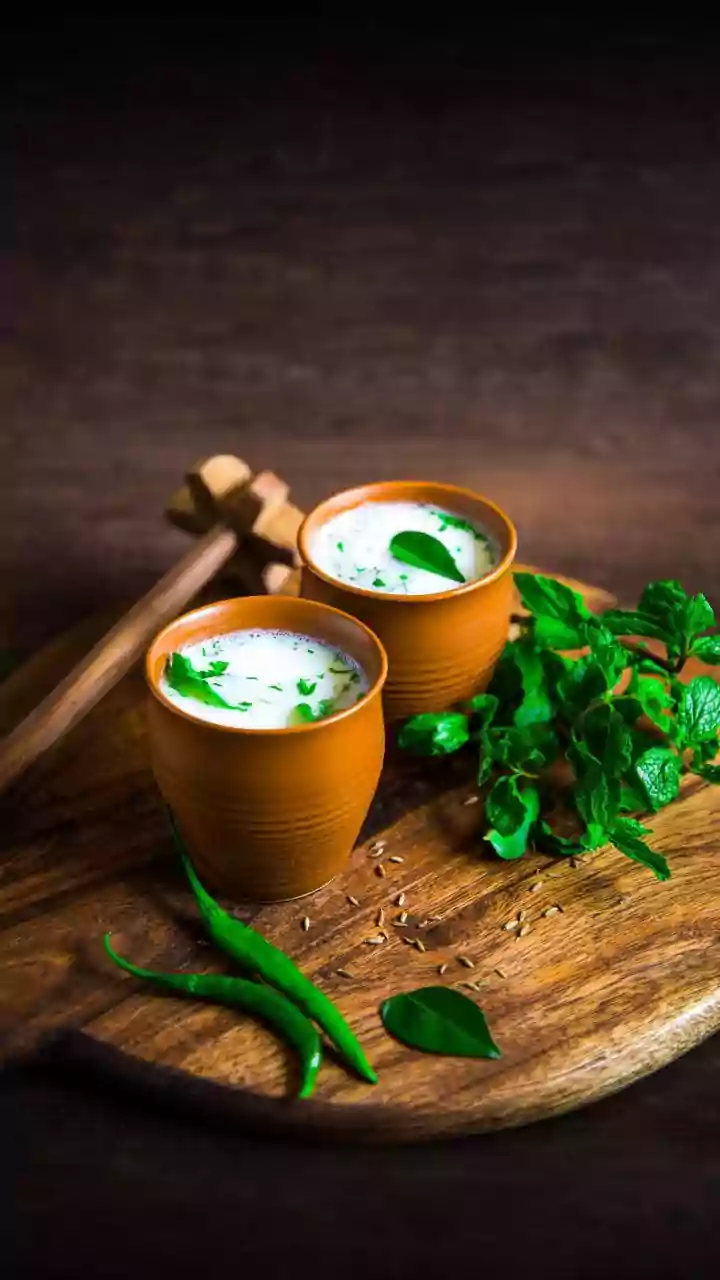
The “kairi craze” is an annual ritual. It’s the flurry of activity in kitchens as grandmothers and grandchildren alike get to work. It’s the sound of chopping as piles of green mangoes are prepped for achaar, the complex, spicy pickles designed to last for months, preserving the taste of early summer long after the season has passed. It’s the whir of a blender making aam panna, a refreshing, revitalizing drink made from boiled kairi, mint, and spices that acts as a natural antidote to scorching heat. From tangy chutneys served with samosas to adding a sour kick to lentil dals and fish curries, kairi is woven into the fabric of seasonal cooking. It’s a taste that, for many, is synonymous with home.
When Modern Sustainability Meets Old-School Wisdom
Here’s where the story gets a 2024 twist. The growing American focus on sustainability and zero-waste living has found a perfect partner in the humble kairi. What’s being branded as a new, eco-conscious trend is, in many ways, an echo of the resourceful ethos that has defined traditional Indian kitchens for generations. Frugality wasn't a buzzword; it was a way of life. Nothing was wasted. That philosophy is now being re-embraced with intention, as home cooks apply the “root-to-stem” concept to this beloved fruit. The goal is no longer just to make a delicious pickle, but to ensure that nothing—from the peel to the seed—ends up in the trash.
From Peel to Pit: A Guide to Using It All
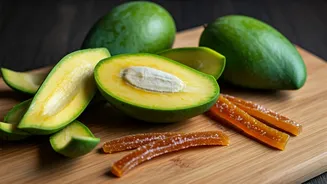
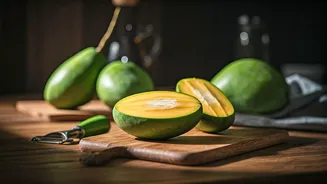
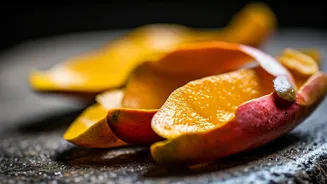
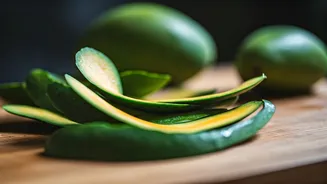
So how does one take a mango zero-waste? It starts by looking at the fruit in three parts: flesh, peel, and seed. The tart flesh is the star, destined for those pickles and drinks. But the peels, often discarded, are full of flavor and pectin. Many are now using them to make a tangy, fermented bio-enzyme cleaner, infusing them in vinegar for a cleaning solution, or even candying them as a tart treat. In some regional recipes, thin slivers of the peel are pickled right alongside the flesh. The seed, or ‘gutli,’ is the final frontier. After the flesh is scraped off, the hard inner seed can be boiled and the soft kernel (the ‘guthli ki giri’) inside can be extracted. This kernel can be dried and powdered, used as a thickening agent, or even roasted and salted as a snack, possessing its own unique set of astringent properties. What was once destined for the compost bin becomes another valuable ingredient, closing the loop on a truly sustainable culinary practice.