
The Grain You’ve Probably Eaten
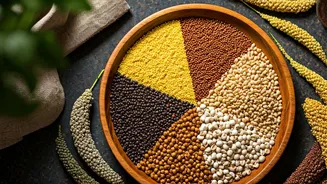
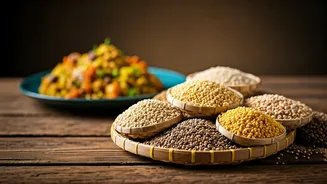
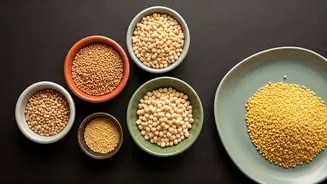
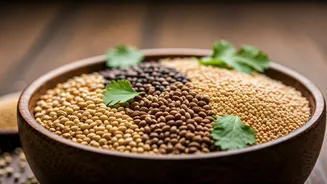
If you think you’ve never had millet, think again. It’s a key ingredient in many birdseed mixes, a fact that has long contributed to its reputation as, well, basic. But millets are not a monolith. This category of small-seeded grasses includes a wide
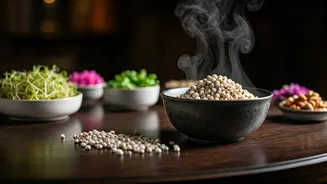
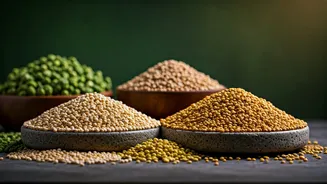
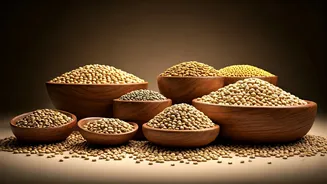
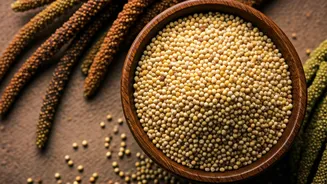
family of hardy grains like sorghum (jowar), pearl millet (bajra), and finger millet (ragi). For thousands of years, they have been a foundational food source across Africa and Asia, particularly in India, where they were staples long before rice and wheat became dominant. Traditionally, they were used to make rustic flatbreads (roti), savory porridges, and fermented drinks—foods valued for sustenance, not sophistication. They were the dependable, drought-resistant crops of rural communities, often looked down upon as “poor man’s food” as wealthier urban populations shifted to more refined grains.
A Global Push for a Hardy Grain
So why the sudden glow-up? A few powerful forces are converging. First, there’s the global wellness movement. Millets are nutritional powerhouses: naturally gluten-free, high in protein and fiber, and packed with minerals like iron and magnesium. As diners become more health-conscious, chefs are seeking ingredients that deliver on both flavor and function. Second, there’s sustainability. Millets are famously resilient “climate-smart” crops that thrive in arid conditions with minimal water, a massive advantage on a warming planet. This confluence of factors led the United Nations to declare 2023 the “International Year of Millets,” putting a global spotlight on their potential to improve food security and nutrition. This endorsement gave chefs and restaurateurs a powerful narrative to frame their culinary experiments.
From Porridge to Plated Art
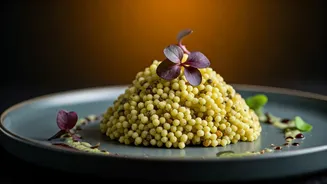
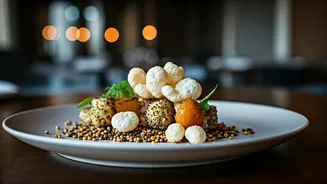
Armed with this new cultural cachet, innovative chefs are reimagining what millet can do. Forget simple porridge. At high-end Indian restaurants in cities like New York, San Francisco, and Houston, millets are being transformed with modern techniques. You might find a creamy pearl millet risotto, infused with truffle oil and parmesan, that rivals its Italian arborio rice counterpart. Or perhaps crispy fried sorghum served as a crunchy, caviar-like topping on a delicate piece of fish. Chefs are using millet flour to create light, airy dosa crepes or dense, flavorful breads served with artisanal butters. Finger millet is being turned into dramatic, dark-hued desserts, like a sophisticated chocolate-ragi lava cake. By treating millet with the same respect once reserved for premium proteins or imported grains, these chefs are showcasing its incredible versatility—its nutty, earthy flavors and its ability to be creamy, crispy, or fluffy.
Redefining 'Authentic' Indian Food
This trend is about more than just a novel ingredient; it’s part of a broader movement to redefine what “authentic” Indian food means in America. For decades, the U.S. perception of Indian cuisine has been dominated by a handful of North Indian, Mughlai-inspired dishes like butter chicken, tikka masala, and naan bread. But a new generation of chefs is pushing back, championing the immense regional diversity and ingredient heritage of the subcontinent. By elevating a rustic grain like millet, they are telling a deeper, more personal story about Indian food culture. They are celebrating the dishes of their grandmothers but presenting them in a contemporary context that appeals to a global palate. It’s a declaration that Indian cuisine is not a static museum piece but a living, evolving tradition that is both ancient and thoroughly modern.