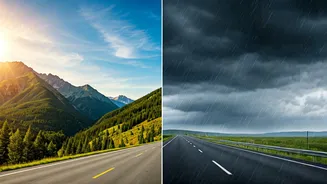








The Promise: Chasing the Sun
Let’s start with the good stuff, because there’s plenty of it. For much of the country, June delivers what is arguably the best weather of the year. In the Northeast and Midwest, the humidity of July and August hasn’t fully settled in, but the days are
long and warm, perfect for beach trips to the Cape or lake days in Michigan. Out West, the Pacific Northwest is entering its glorious dry season, with Seattle and Portland shedding their rainy reputation for weeks of comfortable sunshine. It’s prime time for hiking in national parks like Zion or the Grand Canyon before the peak summer heat becomes truly oppressive. This is the June of our imagination—the one filled with backyard barbecues, music festivals, and road trips with the windows down.
The Problem: Weather Whiplash
Now for the other side of the coin. June is a transitional month, and nature doesn’t flip a switch from spring to summer overnight. That transition can be turbulent. June 1st marks the official start of the Atlantic hurricane season, putting the Gulf Coast and Southeast on alert. While major storms are more common later in the summer, early-season tropical systems can still bring torrential rain and coastal flooding to states like Florida, Louisiana, and Texas. Simultaneously, the Great Plains and Midwest are often in the throes of their peak severe weather season. The clash of warm, moist air from the Gulf and cooler, dry air from the north creates a perfect recipe for powerful thunderstorms, hail, and tornadoes, particularly in what’s known as "Tornado Alley."
Regional Spotlight: The Mountain West Peak
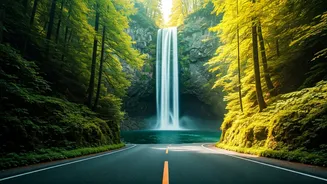
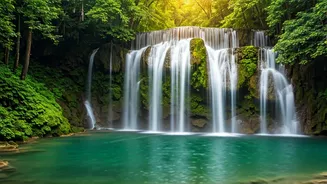
If you're looking for the most reliable “sunny peak” in June, point your compass toward the Mountain West. States like Colorado, Wyoming, Utah, and Montana are often in their absolute prime. The heavy winter snowpack is melting, feeding spectacular waterfalls in places like Yosemite (though technically Sierra Nevada, the principle holds). High-elevation trails that were inaccessible just weeks before finally open up. The risk of afternoon thunderstorms exists, especially in the Rockies, but for the most part, you’re getting warm, sunny days and cool, crisp nights. It’s a dream for hikers, campers, and anyone looking to escape the humidity that’s building elsewhere. The landscape is lush and green from spring moisture, a fleeting beauty before the drier, hotter days of July set in.
Regional Spotlight: The Desert & Southeast Gamble
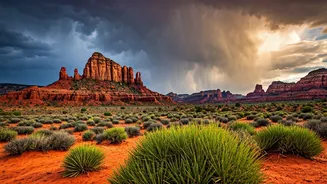
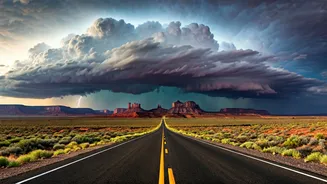
On the flip side, planning a June trip to the Desert Southwest or the Southeast requires a bit more strategy. In Arizona and Southern Nevada, the heat is no joke. Temperatures in Phoenix and Las Vegas routinely soar well past 100°F, making midday activities a genuine health risk. However, this is also when the North American Monsoon can begin to stir, bringing dramatic (and sometimes dangerous) dust storms and thunderstorms to the arid landscape. Meanwhile, in the Southeast, the challenge is less about dry heat and more about thick, soupy humidity. A 90°F day in Charleston or New Orleans can feel much hotter than a 105°F day in Phoenix. Add in the aforementioned hurricane risk and near-daily chance of a pop-up thunderstorm, and flexibility becomes your most important travel accessory.
Your Game Plan for a Perfect June
So, how do you navigate this duality? It's not about avoiding June but embracing its dynamic nature with a smart plan. First, always check the 10-day forecast before you pack, not the 30-day fantasy. Second, pack in layers. A waterproof jacket is non-negotiable, whether you’re in Oregon or Georgia. Third, have a “Plan B.” If your beach day gets rained out, what’s the cool museum, brewery, or indoor attraction nearby? Finally, use technology. A reliable weather app with real-time radar and severe weather alerts (like the FEMA app or The Weather Channel) is essential. Don’t let a forecast for “scattered showers” deter you, but do respect a tornado watch or a flash flood warning.