



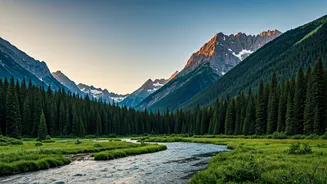
From Crowds to Quiet
So, what’s behind the great migration to higher ground? The shift isn't happening in a vacuum. After years of navigating crowds, fluctuating travel restrictions, and the general stress of a hyper-connected world, many Americans are rethinking what a vacation
should feel like. The frantic energy of a packed boardwalk or the logistical gauntlet of international travel is being replaced by a desire for something simpler and more restorative. This is the travel equivalent of comfort food. Instead of chasing adrenaline-fueled itineraries, people are seeking out peace, privacy, and a patch of green. It’s a move away from performative, ‘Instagrammable’ trips and toward genuinely restful experiences. The appeal lies in the promise of disconnection—not just from Wi-Fi, but from the relentless pace of modern life. A mountain cabin or a quiet hiking trail offers a sense of autonomy and solitude that a bustling resort simply cannot match.
The Allure of Cooler Climes
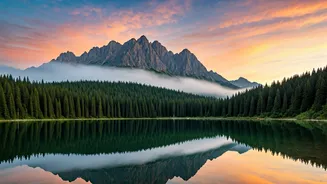
Let’s be honest: weather is a huge factor. As summer temperatures climb to record highs across much of the country, the prospect of escaping to a place where you might need a sweater at night is incredibly appealing. Mountain towns offer a literal breath of fresh air. The crisp, clean air and lower humidity provide a physical respite from the sweltering heat waves blanketing urban centers and traditional coastal destinations. This climate-driven motivation is intertwined with a wellness narrative. Being in nature is proven to reduce stress and improve mental clarity. Trading city smog for the scent of pine and the sound of a rushing creek feels less like a vacation and more like a necessary reset. It taps into a primal need to connect with the natural world, a need that has become more pronounced as our daily lives grow more digital and detached.
A Field Guide to the Hill Escape
The beauty of this trend is its versatility. A 'hill escape' isn't one-size-fits-all. It can be rustic or refined, solitary or social. The common thread is elevation and intention. Here are a few of the most popular ways Americans are embracing the mountains this summer.
The Rustic Cabin Retreat
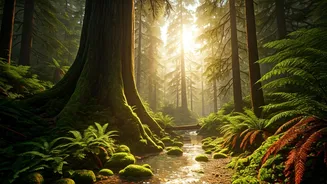
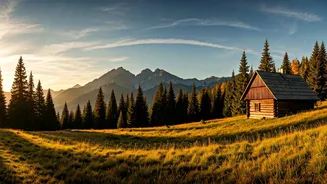
This is the quintessential version of the trend, fueled by #cabinlife and the cozy aesthetic that has dominated social media. It’s all about finding a secluded spot—often an A-frame or log cabin—and settling in. The agenda is simple: read a book on the porch, build a fire, hike a nearby trail, and cook simple meals. This type of trip prioritizes quiet and introspection. It’s perfect for couples, solo travelers, or small families looking to unplug and spend quality time together without a schedule. Destinations in the Catskills (NY), the Blue Ridge Mountains (NC/VA), and the forests of the Pacific Northwest are hotspots for this kind of getaway.
The Charming Mountain Town
For those who want nature without total isolation, the mountain town offers the perfect balance. Think of places like Telluride, Colorado; Asheville, North Carolina; or Jackson, Wyoming. These towns provide a basecamp with amenities like farm-to-table restaurants, independent bookstores, craft breweries, and local art galleries. You can spend the day hiking, fishing, or mountain biking, and then return to a lively main street in the evening. It’s a social experience rooted in an appreciation for the outdoors, offering both community and adventure.
The High-Altitude Adventure Hub
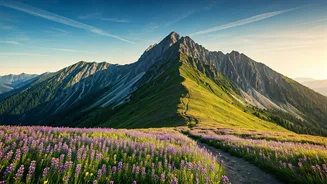
This escape is for the active traveler who sees mountains as a playground. It’s less about quiet contemplation and more about conquering peaks and pushing physical limits. These travelers are flocking to destinations known for challenging terrain and world-class outdoor sports. Think rock climbing in the Tetons, epic mountain biking in Moab, or bagging a '14er' in Colorado. The days are long and physically demanding, fueled by stunning vistas and personal achievement. The lodging might be a simple campsite or a functional base hotel, because the real luxury is the access to unparalleled adventure right outside your door.