





The Great Urban Squeeze
India is experiencing one of the most rapid urban migrations in history. Millions are moving to cities like Mumbai, Bengaluru, and Delhi for jobs and opportunities, creating immense pressure on housing. The result is a generation of young professionals
and families living in apartments that are significantly more compact than those their parents' generation might have owned. A two-bedroom apartment in a major metro area can often be under 1,000 square feet. But aspirations haven't shrunk with the floor plans. Today’s urban Indian consumer, exposed to global trends via the internet, wants a modern, uncluttered home that feels both functional and stylish. They need to host friends, work from home, and create a sanctuary for their family—all within the same limited square footage. This gap between spatial reality and lifestyle ambition is the engine driving the demand for smarter furniture.
Meet the 'Transformer' Furniture
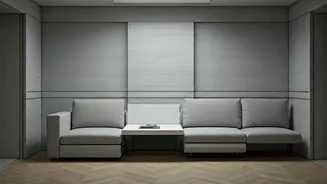
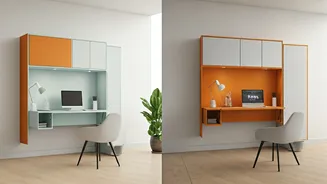
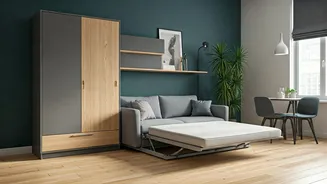
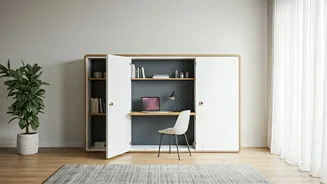
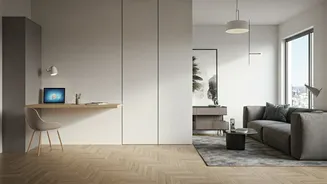
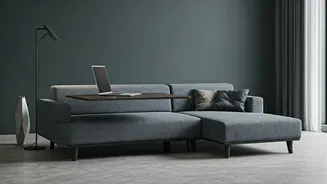
The solution isn't to own less, but to own smarter. Enter multi-functional furniture, the 'transformers' of the domestic world. A simple sofa is no longer enough; it must also be a sofa-bed for visiting family, with hydraulic-lift storage underneath for linens and winter clothes. A coffee table is expected to rise and expand into a dining table for six or a comfortable work-from-home desk. Beds are designed with integrated bookshelves in the headboard or drawers built into the base. One of the most popular innovations is the wall bed, or Murphy bed, which folds up seamlessly into a cabinet, often revealing a built-in desk or shelving unit. This allows a single room to serve as a bedroom by night and a home office or living area by day. Brands like Godrej Interio, Urban Ladder, and Pepperfry have built their businesses on catering to this need, offering modular, adaptable pieces that give users control over their space.
It’s a Mindset, Not Just a Space Issue
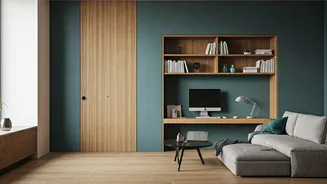
While born of necessity, this trend is also about a fundamental shift in mindset. It’s a move away from the heavy, ornate, single-purpose furniture that often filled traditional Indian homes. The new aesthetic is lighter, more minimalist, and inspired by clean, global design philosophies like Scandinavian or Japanese minimalism. For the modern urban Indian, a cluttered home can feel like a cluttered mind. Furniture that can be folded away or serve multiple purposes creates a sense of calm, order, and control. It’s also an economic calculation. Why buy a bed, a desk, and a bookshelf when one well-designed piece can serve as all three? This demand for value and efficiency reflects a pragmatic generation that wants their purchases to work as hard as they do. It’s less about compromise and more about optimization.
A Blueprint for Future Cities
This trend might be accelerating in India, but it's not unique to it. Anyone living in a compact apartment in New York, San Francisco, or London can recognize the same challenges. The solutions being innovated and refined for the massive Indian market serve as a blueprint for the future of urban living everywhere. As cities across the globe continue to grow denser, the principles of multi-functionality, modularity, and space optimization will become the default, not the exception. The Indian consumer's demand for furniture that 'does more' isn't just a domestic trend; it's a preview of how we will all furnish our lives in the increasingly vertical world of the 21st century. It shows that thoughtful design can deliver a sense of spaciousness and possibility, no matter how small the footprint.