

Meet Your New Summer Breakfast
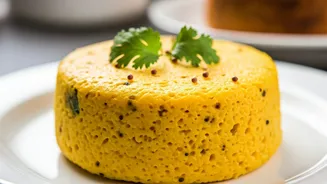
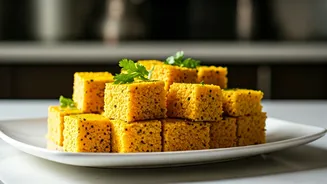
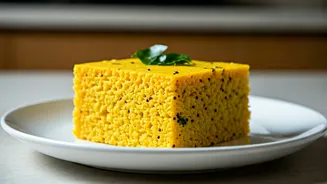
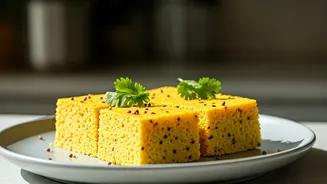
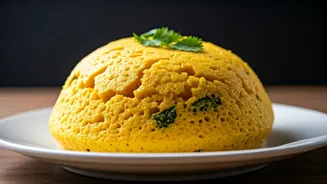
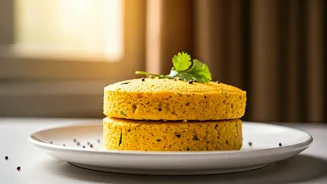
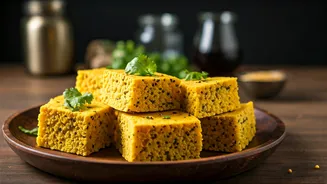
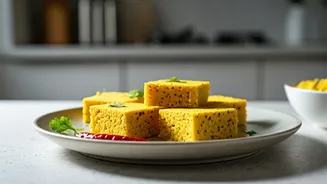
Enter Rava Dhokla. If you’ve ever wandered past the prepared foods section of an Indian grocery store, you’ve likely seen these pale yellow, spongy-looking squares. Hailing from the western state of Gujarat, dhokla is a steamed savory cake that occupies
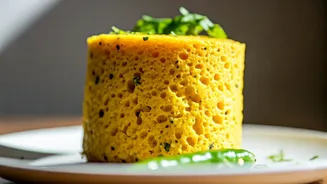
a beloved spot in the pantheon of Indian snacks and breakfast foods. While the most famous version is made from fermented chickpea flour (besan), its quicker, easier cousin, Rava Dhokla, is made from semolina (rava). This simple swap results in a cake that is incredibly light, airy, and almost melt-in-your-mouth soft. It’s not heavy, it’s not greasy, and it carries flavor in a way that feels utterly refreshing, making it an ideal candidate to rescue your hot-weather mornings.
The Underrated Genius of Steaming
One of the key reasons Rava Dhokla is so suited for warm weather has nothing to do with taste and everything to do with technique: it’s steamed. On a morning when the sun is already beating down, the last thing anyone wants to do is turn on an oven and pump more heat into the kitchen. Firing up multiple burners for a big, pan-fried breakfast can feel equally oppressive. Steaming is a gentler, cleaner way to cook. It requires just one pot of simmering water, creating a contained, humid environment that cooks the batter without radiating intense heat throughout your home. This process is what gives the dhokla its signature moist, cloud-like texture. It’s a low-effort, low-heat cooking method that delivers a surprisingly sophisticated result, keeping you and your kitchen cool.
A Light Bite That Actually Satisfies
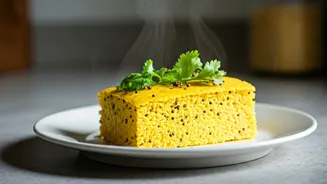
The problem with many “light” breakfasts is that they leave you hungry an hour later. Rava Dhokla elegantly solves this problem. Because it’s made from semolina, a type of milled durum wheat, it has enough substance to be genuinely satisfying without sitting heavily in your stomach. The spongy structure holds moisture, making it feel hydrating rather than dry. Unlike a buttery croissant or a dense muffin, a piece of dhokla feels almost weightless. It’s typically served warm or at room temperature, so you’re not consuming something piping hot that will make you feel even warmer. This combination of satisfying substance and a light, airy texture is the secret to its power as a breakfast food for the sweltering season.
The Final Flourish of Flavor
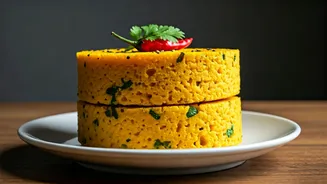
A plain steamed semolina cake would be, well, plain. The magic of dhokla comes alive in its finishing touch: the *tadka*, or tempering. Once the cake is steamed and cut into squares, a sizzling mixture of oil or ghee, mustard seeds, curry leaves, and sometimes sliced green chilies and a pinch of asafoetida is poured over the top. The hot oil makes the mustard seeds pop, releasing a nutty aroma, while the curry leaves turn crisp and fragrant. This isn't just a garnish; it's an essential flavor infusion. The savory, aromatic oil seeps into the porous cake, giving each bite a burst of complex flavor that contrasts beautifully with the mild, slightly tangy base. A sprinkle of fresh cilantro and sometimes grated coconut adds a final layer of freshness, completing the dish.
Not Just for Breakfast
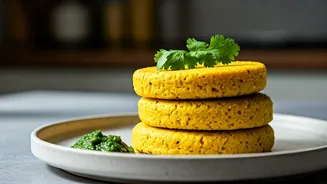
While it shines on a hot morning, Rava Dhokla’s versatility is part of its charm. In India, it’s an all-day affair. It’s a perfect tea-time snack (_nasta_), a reliable lunchbox item for kids and adults, and a welcome appetizer before a larger meal. Because it’s just as delicious at room temperature as it is warm, it’s an excellent make-ahead dish for picnics or potlucks. It’s often served with a side of green chutney (a vibrant sauce of cilantro and mint) or a sweet-and-tangy tamarind chutney, allowing you to customize each bite. Its ability to effortlessly transition from a breakfast plate to a party platter makes it a culinary workhorse worth getting to know.