



Mauritius: A Slice of India in an Island Paradise
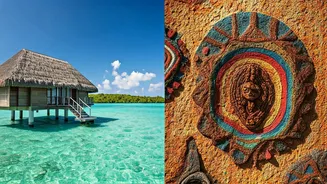
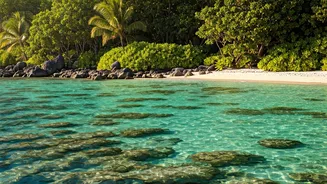
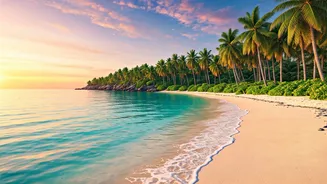
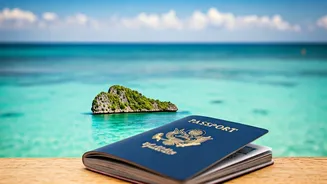
Imagine a turquoise-watered volcanic island in the middle of the Indian Ocean where the culture feels both distinctly African and comfortingly familiar to someone from the subcontinent. That’s Mauritius. For Indian travelers, it’s a no-brainer: visa-free
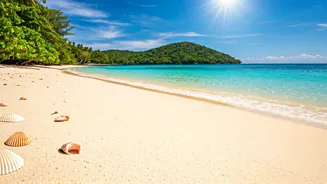
travel, short flight times from major hubs like Mumbai, and a deep, welcoming cultural connection. Nearly 70% of Mauritians are of Indian descent, descendants of indentured laborers brought by the British in the 19th century. This shared heritage is visible everywhere. You’ll see vibrant Hindu temples next to colonial French architecture, hear a mix of Creole, French, and Bhojpuri, and smell curries and biryanis wafting from street-side stalls. For Americans, this translates into an incredibly unique cultural fusion. It’s the Caribbean-level beaches with an Indian Ocean soul, offering a level of cultural depth you won’t find in Cancún.
More Than Just Luxury Resorts
While Mauritius is famous for its five-star resorts lining postcard-perfect beaches like Flic en Flac and Belle Mare, the real magic lies inland. The island’s volcanic origins have created a dramatic landscape of jagged peaks and lush valleys. You can hike through Black River Gorges National Park to spot rare birds, swim in the sacred lake of Grand Bassin (Ganga Talao), which features a towering 108-foot statue of Lord Shiva, or explore the Seven Coloured Earths of Chamarel, a bizarre geological formation of sand dunes in a rainbow of colors. The capital, Port Louis, is a bustling hub with a central market that’s a feast for the senses, offering everything from fresh vanilla and chili-dusted pineapple to hand-woven baskets and artisanal rum. It’s an adventure destination disguised as a beach getaway.
Senegal: West Africa’s Vibrant, Accessible Heartbeat
Now, let’s pivot to a place that’s less about relaxation and more about rhythm: Senegal. Located on the westernmost tip of Africa, this nation has become a beacon for travelers seeking culture, history, and energy. For Indian passport holders, the visa process is straightforward, but for Americans, it’s even easier—no visa is required for stays up to 90 days. So why the buzz? Senegal, and particularly its capital, Dakar, is one of Africa’s most dynamic cultural centers. It’s the birthplace of Mbalax music, the energetic dance rhythm popularized by icon Youssou N'Dour. The city is alive with live music clubs, a thriving fashion scene, and world-class art galleries. This isn’t a safari trip; it’s an urban immersion into a modern, forward-looking African nation that’s incredibly welcoming to outsiders.
History, Art, and Natural Wonders
Senegal’s appeal is layered. Just a 20-minute ferry ride from Dakar lies Gorée Island, a UNESCO World Heritage site that served as a final departure point for millions of enslaved Africans. A visit to the House of Slaves is a sobering, essential historical experience. In stark contrast, you can visit the massive African Renaissance Monument, a symbol of the continent's resurgence, or get lost in the vibrant chaos of the Sandaga market. Outside the city, the landscape shifts dramatically. You can see the otherworldly Lac Rose, a salt lake that turns pink under certain conditions, or take a trip to the Bandia Reserve to see giraffes, rhinos, and zebras roaming in a protected baobab forest. Senegal offers a compelling mix of profound history, infectious creative energy, and stunning natural beauty, making it a uniquely rewarding destination.