






More Than Just Yogurt in a Cup
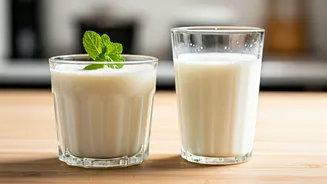
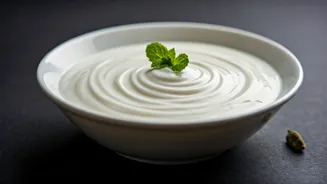
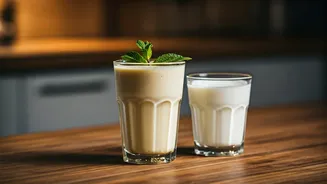
First, let's get the terminology straight. When we say “curd-based,” we’re primarily talking about drinks with a yogurt or fermented milk foundation. Think of lassi, the beloved drink of India, or ayran, its savory cousin popular across Turkey and the Middle
East. These aren't the gloopy, sugar-laden yogurt tubes from your childhood lunchbox. A traditional curd cooler is thin, drinkable, and profoundly refreshing. Its signature characteristic is a bright, lactic tang, which can be balanced with a touch of salt (as in a classic ayran) or complemented by fruit, like the familiar mango lassi. But the core of the experience is the cultured dairy itself, celebrated for its flavor, not masked by it.
An Ancient Answer to a Modern Problem
These drinks are anything but new. For centuries, they have been staples in South Asian, Central Asian, and Middle Eastern cuisines, often serving as a digestive aid and a way to cool the body in hot climates. The natural fermentation process not only preserved milk but also created a beverage rich in beneficial bacteria. What’s changed is the American consumer. After decades of chasing low-fat, high-sugar products, our wellness focus has pivoted dramatically. The new holy grail is gut health, and foods packed with probiotics—the “good” bacteria—are king. Suddenly, an ancient, humble drink like salty lassi or Persian doogh doesn’t just seem exotic; it seems functional, aligning perfectly with the modern desire for foods that do more than just fill you up.
The Gut-Health Glorification
This newfound “wellness respect” is the engine driving the trend. While kombucha kicked open the door for fermented drinks, its sharp, vinegary profile isn't for everyone. Curd-based coolers offer a creamier, gentler entry point into the world of probiotics. Brands are leaning into this, marketing their lassis and kefirs with prominent callouts like “billions of live probiotics” and “supports gut health.” They are positioning these coolers not just as a treat, but as a functional beverage—something to have after a workout for its protein content, or as a light, satisfying snack that won’t spike your blood sugar. It’s a complete rebranding of yogurt from a breakfast food into an all-day wellness tool.
Beyond the Mango Lassi
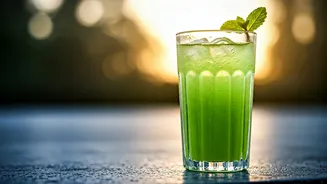
For most Americans, the only point of reference for a yogurt drink is the sweet, thick mango lassi served at Indian restaurants. And while delicious, it’s just the tip of the iceberg. The real frontier of this trend lies in the savory. Imagine a salty lassi, seasoned with toasted cumin and fresh mint—it’s tangy, herbaceous, and incredibly thirst-quenching. Or a classic Turkish ayran, which is simply yogurt, water, and salt, frothed into a light, bubbly cooler. These savory versions are often lower in sugar and calories, making them an even better fit for health-conscious consumers. As our palates become more adventurous, seeking out complex flavors beyond simple sweetness, these savory coolers are poised to become the next discovery for foodies and wellness seekers alike.
Finding Your Go-To Cooler
So where are these drinks showing up? You’ll find them expanding beyond specialty ethnic markets and into the refrigerated aisles of mainstream grocers like Whole Foods and Trader Joe’s. Brands like Dah! and Lifeway are leading the charge with a variety of lassi and kefir flavors. Cafes and juice bars are also adding their own house-made versions to menus, often with unique twists like cardamom, rosewater, or turmeric. The rise of these coolers is a testament to a larger shift in American eating: we’re looking for authenticity, global flavors, and real functional benefits in our food. We're finally catching up to the ancient wisdom that a truly refreshing drink doesn't have to be sweet.