



The Era of Convenience
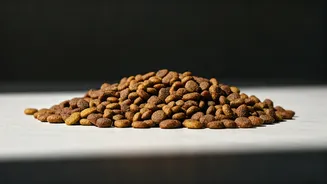
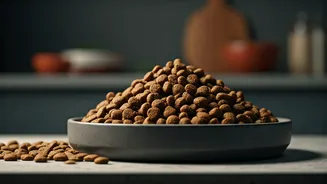
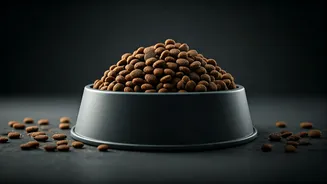
To understand the shift, you have to appreciate what came before. For years, the Indian pet food market was a simple affair dominated by a few global giants. Brands like Pedigree (from Mars) and Purina (from Nestlé) effectively created the market for processed
pet food. They offered a convenient, affordable, and scientifically formulated alternative to table scraps, which had traditionally been the default. For a rapidly urbanizing middle class, a bag of kibble was a modern solution. It was shelf-stable, easy to store, and promised complete nutrition, freeing owners from the guesswork of feeding their pets. This model worked brilliantly, and dry kibble became the undisputed king of the pet food aisle.
From Pet to 'Fur Baby'
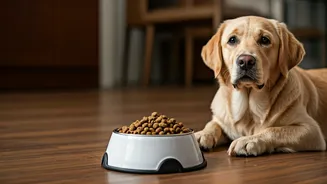
So, what changed? The pets didn't, but the owners did. The single biggest driver behind kibble's loosening grip is the 'humanization' of pets. This isn't just an American or European trend; it has firmly taken root in India's cities. A growing cohort of millennial and Gen Z owners, often with higher disposable incomes and a tendency to start families later, view their pets not as animals but as 'fur babies' or integral members of the family. You don't just give your child the cheapest processed food you can find, and the same logic is now being applied to four-legged companions. This emotional shift is the engine of the new pet economy. Owners are more educated about ingredients, skeptical of preservatives, and willing to spend significantly more for what they perceive as healthier, more natural options.
The Rise of the Fresh Food Startups
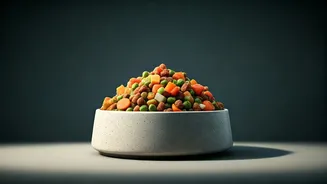
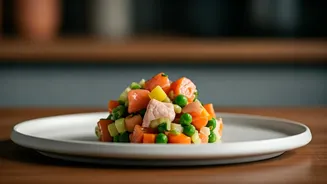
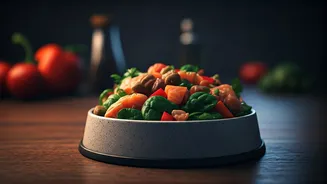
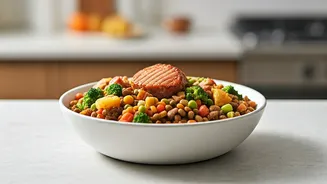
This new demand created a vacuum that a wave of local startups has rushed to fill. A vibrant ecosystem of direct-to-consumer (D2C) brands is now offering what the big players traditionally didn't: freshly cooked meals delivered to your door. These companies are building their brands on transparency and quality, with menus featuring ingredients like chicken, brown rice, carrots, and fish oil—things you'd recognize from your own shopping list. Operating on subscription models, they offer customized meal plans based on a pet's age, breed, and health needs. They are tech-savvy, use social media to build communities around pet wellness, and tap directly into the 'pet parent' identity. They're selling not just food, but a lifestyle of premium care.
How the Giants are Responding
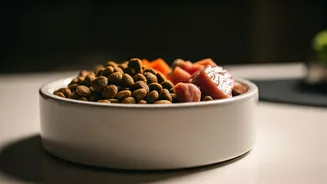
The incumbents aren't sitting still. Faced with this nimble competition, the established giants are adapting. They are aggressively expanding their own premium lines, introducing grain-free kibble, and launching products targeting specific health concerns. Mars, for example, has been pushing its higher-end Royal Canin brand, which focuses on breed-specific nutrition. They are also moving into the 'wet food' category more forcefully with gourmet gravies and pates that feel more like a 'real' meal than dry pellets. While they might not be able to replicate the hyper-local, fresh-cooked model of the startups, they are leveraging their massive distribution networks and marketing budgets to ensure they have a premium offering for the discerning owner. The game is no longer just about being on the shelf; it's about having the right thing on the premium shelf.