







The Social Life of a Pedometer
Remember when counting your steps was a private affair? A quiet negotiation between you, your pedometer, and your ambitions for the day. That era is definitively over. Now, our steps are social currency. Thanks to smartwatches and phone apps, we’re not
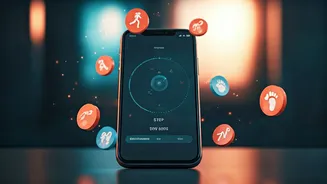
just walking; we’re walking *together*, even when we’re miles apart. Step challenges, once a niche feature of corporate wellness programs, have gone mainstream, creating a digital arena where colleagues, family, and even strangers can engage in a friendly, low-stakes competition. The leaderboard isn't just a ranking; it's a new kind of social feed. Seeing a friend surge ahead isn’t just a data point—it's a conversation starter, a gentle nudge, a reason to send a text message laced with a winking emoji and a playful threat to catch up.
Competition That Connects, Not Divides
The magic of the step challenge lies in its psychological sweet spot. The competition is real enough to be engaging, but the stakes are almost comically low. No one is winning a Super Bowl ring; they’re winning bragging rights for having paced around their living room during a conference call. This creates a perfect environment for what social scientists call 'prosocial competition.' It’s a shared endeavor disguised as a rivalry. The daily goal provides a common purpose, and the act of checking in on the group’s progress fosters a rhythm of casual, consistent interaction. This is the bedrock of budding friendships. You're not talking about politics or the pressures of work; you're talking about who managed a 5k walk at lunch and who is 'stuck in meetings' all day. This shared, simple language builds a foundation of familiarity and lighthearted camaraderie.
From Digital Cheers to Real-World Coffee
For many, these digital interactions are just the beginning. The coworker you only knew from a shared email chain suddenly becomes 'Sarah from the marketing team who walks a ton.' The digital taunts and encouragements—the fire emoji under a 15,000-step day—lower the barrier to real-world conversation. The next time you see Sarah by the coffee machine, you have an instant, easy topic. You're not just colleagues anymore; you're co-competitors. Anecdotes abound of these virtual challenges spilling over into reality. Work teams who barely spoke now go on group walks at lunch. Neighbors who only exchanged polite nods now share tips on the best local trails. The challenge provides the 'in,' a pre-approved reason to connect with someone outside of your immediate social circle, transforming a weak tie into a stronger one.
A Lifeline in a Lonely World
While office-based challenges are common, this trend extends far beyond the corporate world. For remote workers, it’s a virtual water cooler. For family members scattered across the country, it's a way to feel connected through a shared daily activity, bridging distance with every step. For new parents, it can be a link to the outside world, a small, achievable goal amid the chaos of sleepless nights. The beauty is its accessibility. It doesn't require a shared hobby, similar life stage, or even a convenient time zone. It just requires a willingness to walk and a desire to connect. In an age where we're reportedly lonelier than ever, this simple, tech-enabled ritual is proving to be a surprisingly effective antidote, rebuilding our social fabric one step at a time.