




The Backlash to Wellness Perfection
For the better part of a decade, the wellness movement was defined by its extremism. It was a world of restrictive “clean eating,” expensive juice cleanses, and a pervasive sense of guilt for anyone who dared to enjoy a slice of pizza. This aspirational,
all-or-nothing approach created a culture of shame and burnout. People grew tired of feeling like they were failing if their diet wasn't perfectly optimized and Instagram-worthy. The pendulum, as it always does, has swung back. The new wave of health-conscious eating isn't about deprivation; it's a direct rebellion against it. It acknowledges that true well-being involves mental and emotional happiness, which is hard to achieve when you’re constantly policing your plate. This has created a massive market opening for food that feels good to eat, both physically and emotionally.
When Function Meets Comfort
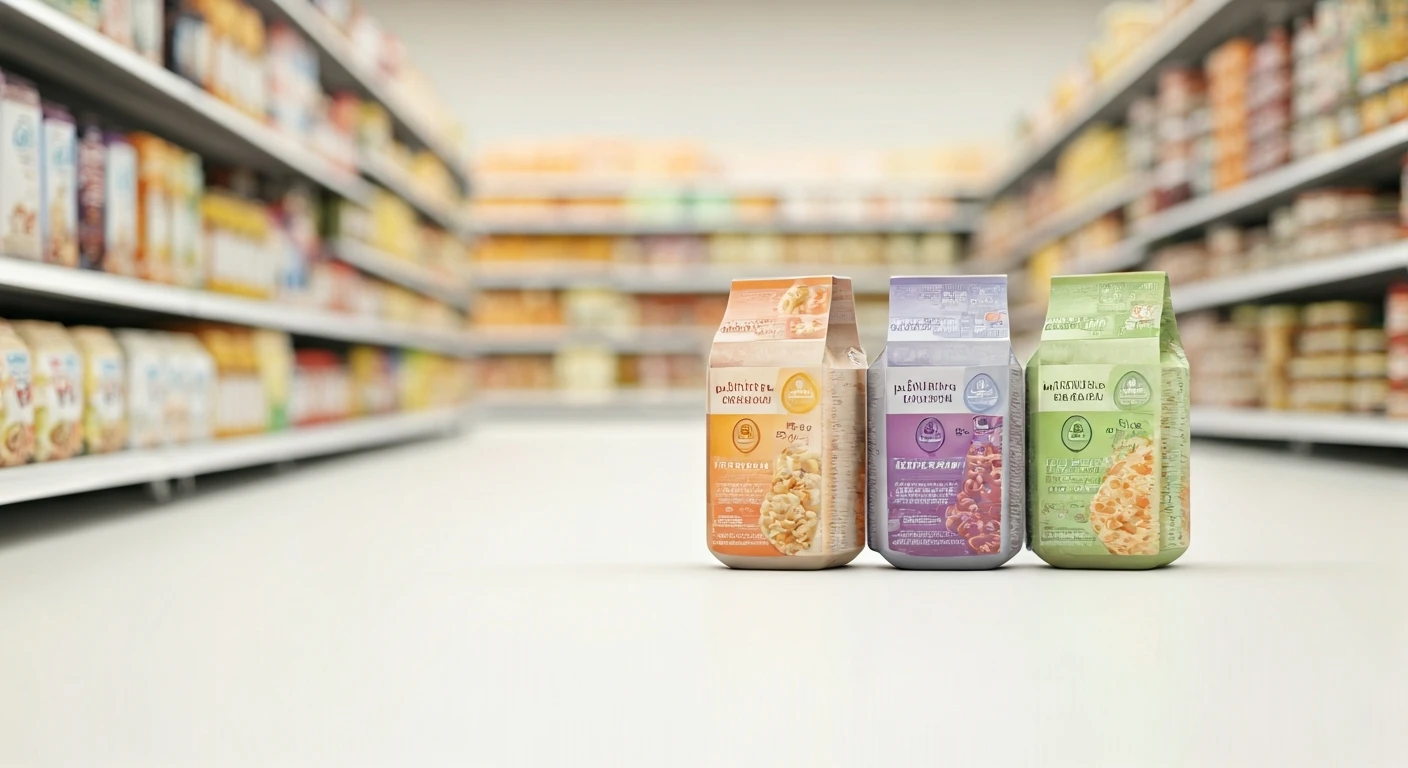
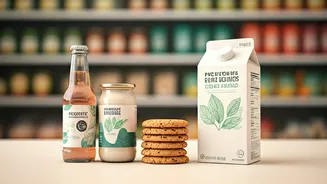
The most tangible sign of this shift is the rise of “functional” foods that mimic our favorite comfort items. Instead of demanding we swap our soda for kombucha, brands like Olipop and Poppi offer prebiotic-packed, low-sugar alternatives that taste like the root beer and cherry limeade of our childhoods. The pasta aisle now features options from companies like Banza, made from chickpeas to pack a protein and fiber punch without sacrificing the satisfying experience of a bowl of mac and cheese. You can find protein-boosted pancake mixes, low-sugar cookies that actually taste like cookies, and savory chips made from vegetables that aren’t pretending to be anything other than a crunchy snack. The philosophy is simple: enhance, don't eliminate. It’s about upgrading the foods we already love rather than replacing them with joyless substitutes.
A New Kind of Marketing Vibe
The branding and marketing of these new products are a world away from the stark, clinical aesthetic of old-school health food. Gone are the sterile white packages and medicinal-looking fonts. Today’s relatable health brands are drenched in color, featuring playful typography and a social-media-savvy sense of humor. Their language is inclusive and positive. Instead of focusing on what’s been removed (“guilt-free,” “zero-sugar”), the messaging highlights what’s been added—“supports digestive health,” “boosts focus,” “plant-powered.” This isn't about restriction; it's about added benefits. The tone is encouraging, not prescriptive. It communicates that you can be a health-conscious person without giving up your personality or your favorite treats. The goal is to be invited to the party, not to be the person standing in the corner sipping mineral water.
The Rise of the 'Healthy-ish' Consumer
Ultimately, this trend is succeeding because it’s for everyone. The target audience is no longer the bio-hacking fitness fanatic or the dedicated yogi. It’s the busy parent who wants a healthier after-school snack for their kids. It’s the young professional who wants an afternoon soda that won’t lead to a sugar crash. It's anyone who is simply trying to make slightly better choices without overhauling their entire life. This “healthy-ish” mindset resonates with the reality of modern life, where perfection is impossible and balance is the real goal. By meeting consumers where they are—tired, stressed, but still wanting to feel good—these brands have made health and wellness feel less like a chore and more like a simple, achievable act of self-care.