




From 'Pumping Iron' to Practical Strength
For decades, the Indian fitness landscape was largely defined by two extremes: the serene, spiritual world of yoga and the loud, male-dominated culture of the neighborhood gym, or 'akhara' (traditional wrestling pit). The typical gym experience was centered
on bodybuilding—isolating muscles to build size, inspired by Bollywood stars and Western action heroes. The goal was aesthetic: bigger biceps, a wider chest. Success was measured in inches and pounds lifted in a static, predictable manner. But this model is quickly becoming outdated. Enter functional fitness. Instead of training muscles in isolation, this approach trains movements. It’s about preparing your body for the demands of real life: lifting a heavy suitcase into an overhead bin, carrying groceries up several flights of stairs, or playing with your kids without throwing out your back. The workouts incorporate compound movements that use multiple muscle groups at once—squats, deadlifts, kettlebell swings, and pull-ups. The goal isn't just to look strong, but to be genuinely, practically strong.
The Real Drivers of the Shift
This isn't just a fleeting trend imported from the West; it's a response to profound societal changes within India. The primary driver is the rise of a new urban, middle-class professional. With long hours spent at desks, this demographic is facing a wave of “lifestyle diseases”—type 2 diabetes, hypertension, and chronic back pain—at an increasingly younger age. The old gym model, focused on appearance, did little to address these modern ailments. Prevention has become the new priority. This generation has more disposable income and greater access to global health information. They aren't just joining a gym; they are investing in wellness. They’re willing to pay a premium for boutique studios, certified trainers, and community-driven environments like CrossFit boxes, which have exploded in popularity in cities like Mumbai, Delhi, and Bengaluru. The focus has shifted from a low-cost, transactional gym membership to a high-value, results-oriented fitness experience.
Global Trends, Local Roots
While global brands like CrossFit and F45 have provided the initial template, India’s functional fitness scene is also experiencing a fascinating renaissance of its own traditional practices. Instead of being seen as ancient relics, indigenous arts are being rediscovered and rebranded as powerful forms of functional training. Kalaripayattu, an ancient martial art from the southern state of Kerala, is celebrated for its focus on flexibility, agility, and full-body conditioning. Similarly, Mallakhamb, a form of gymnastics performed on a vertical wooden pole, is gaining recognition as an incredible test of core strength, balance, and coordination. Progressive trainers are now blending these time-honored disciplines with modern exercise science. You might find a gym that offers a kettlebell class in the morning and a Kalaripayattu workshop in the evening. This fusion creates a unique fitness identity that feels both globally current and authentically Indian, allowing people to connect with their heritage while pursuing modern health goals.
A New, More Inclusive Space
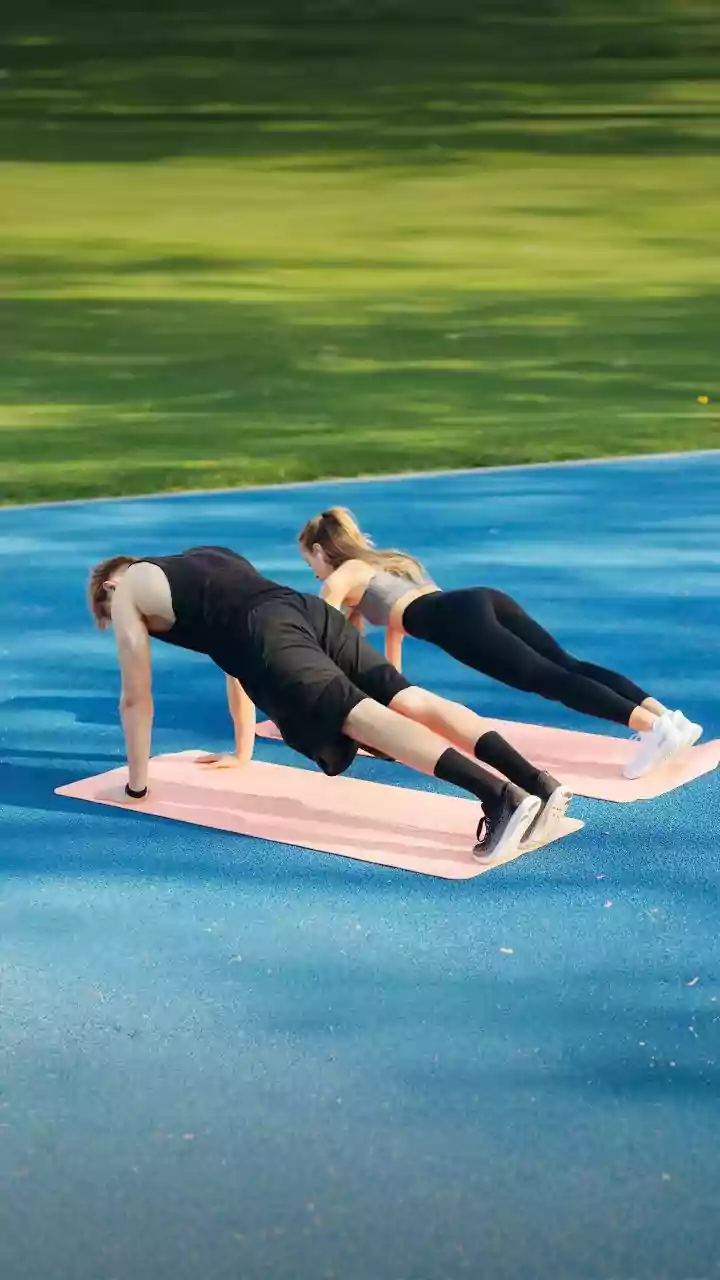
Perhaps the most significant aspect of this shift is the change in atmosphere. The old bodybuilding gyms were often intimidating spaces, particularly for women. The functional fitness movement, by contrast, thrives on community and inclusivity. The emphasis is on personal progress, not on comparing your physique to the person next to you. In a CrossFit box in Delhi, you're just as likely to see a 50-year-old mother learning to deadlift as a 25-year-old tech bro trying to master a handstand walk. The group class format fosters camaraderie, with members cheering each other on. This has been a game-changer for female participation in strength training, dismantling the cultural taboo that lifting heavy weights is 'unfeminine.' Fitness is being reframed as an act of self-care and empowerment, accessible to everyone regardless of age, gender, or initial ability.