


An Accidental Paradise
The Valley of Flowers National Park, a UNESCO World Heritage Site nestled in the state of Uttarakhand, wasn't always on the travel map. For centuries, it was a place of myth, known to locals as the land where celestial spirits roamed. It was only in 1931,
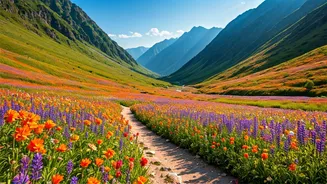
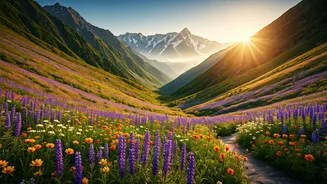
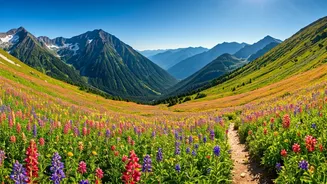
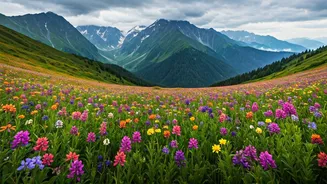
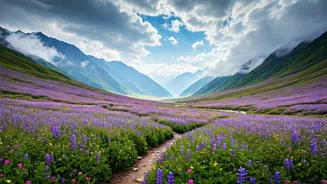
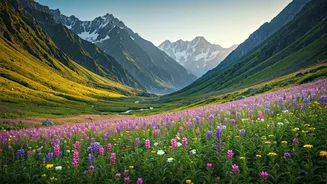
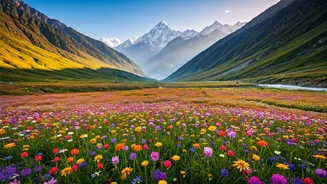
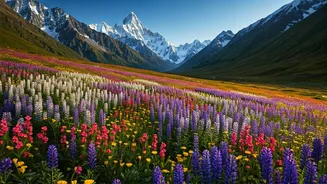
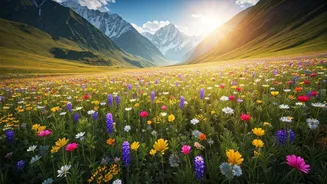
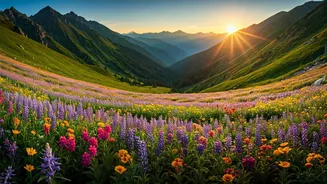
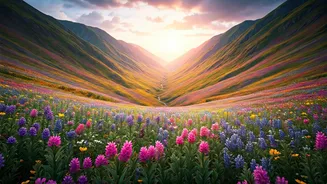
when three British mountaineers stumbled upon it after getting lost, that the Western world learned of this breathtaking alpine meadow. What they found was a botanical wonderland: an eight-kilometer-long valley, cradled by snow-capped peaks, bursting with hundreds of species of wildflowers. Unlike manicured gardens, this is nature in its purest, most untamed form—a spectacle that changes weekly as different flowers take their turn to bloom.
The Journey Is Part of the Magic
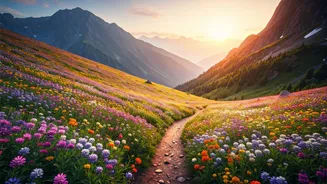
Here's the first clue as to why this place gets it right: you can't drive here. There are no roads, no souvenir shops at the entrance, and no easy way in. Reaching the valley is an endeavor, a pilgrimage. The journey begins in the small village of Govindghat, from which visitors embark on a multi-day trek. The path, which follows the rushing Pushpawati River, is moderately challenging, requiring a decent level of fitness and a willingness to earn the view. This physical barrier is, in fact, a brilliant form of conservation. It naturally filters the crowds, ensuring that everyone who arrives has made a conscious effort to be there. The trek itself becomes a period of acclimatization, not just to the altitude, but to the pace of the mountains, forcing you to slow down and observe the changing landscape.
A Blueprint for Preservation
The phrase “over-tourism” has become a sad refrain for many of the world's most beautiful places. The Valley of Flowers offers a powerful counter-narrative. Its management is a case study in putting nature first. Access is strictly controlled: the park is only open from June to October, coinciding with the monsoon-fed bloom. Visitors are allowed in for a limited window each day, typically from 7 a.m. to 5 p.m., and must be out by evening. Camping is strictly forbidden within the valley’s core zone, preventing the damage that permanent or overnight human presence can cause. This isn’t about making things difficult for tourists; it’s about ensuring the fragile alpine ecosystem can recover and thrive. By putting the health of the meadow above the convenience of the visitor, the authorities have preserved the very magic people come to see.
The Ultimate Reward
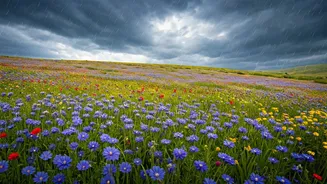
After the trek, the discipline, and the patience, the reward is profound. Stepping into the valley is like walking into a living Impressionist painting. Swathes of potentillas, geraniums, and primulas create a riot of yellow, purple, and pink. The elusive, ethereal blue poppy and the sacred Brahma Kamal are the floral celebrities, but the sheer density and diversity of life are what truly astound. The air is clean, the only sounds are the buzz of insects and the distant rush of waterfalls, and the scale of the surrounding Himalayas is humbling. It’s a sensory experience that feels both immense and deeply personal. You aren't just looking at nature; you are immersed in it, a temporary and respectful guest in a world that operates on a timescale far grander than our own.