





The End of the Grind-at-All-Costs Era
Remember when waking up at 4 a.m. to crush a workout was the ultimate badge of honor? That punishing, grind-it-out mentality dominated fitness culture for years, suggesting that more was always more. Rest was for the weak, and soreness was a sign of success.
But a quiet revolution has been reshaping this philosophy from the top down. Elite athletes like LeBron James, who famously invests over a million dollars a year on his body, prioritize sleep and recovery as much as court time. This isn't just a pro-athlete luxury; it's a strategic shift filtering down to everyday gym-goers. The new thinking frames recovery not as the absence of effort, but as an essential and active part of the training process itself. It recognizes a fundamental truth: you don’t get stronger during your workout; you get stronger when your body repairs the damage from that workout.
Why Your Muscles Are Built in Bed
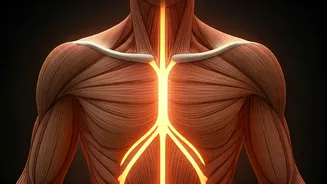
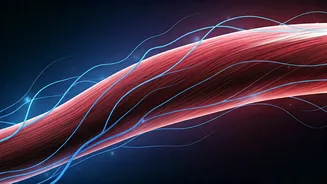
Lifting weights or going for a hard run doesn’t magically create bigger or stronger muscles on the spot. What it actually does is create microscopic tears in your muscle fibers. This stress is the signal—the request for your body to adapt and grow. The actual construction work happens afterward, primarily when you’re asleep. During the deep stages of sleep, your body gets to work. The pituitary gland releases a significant pulse of Human Growth Hormone (HGH), a key ingredient for repairing tissue and stimulating muscle growth. Simultaneously, the body ramps up protein synthesis, the process of using amino acids from your food to rebuild those torn muscle fibers, making them thicker and more resilient than before. Skimping on sleep short-circuits this entire process. Without adequate rest, your body remains in a catabolic (breakdown) state instead of an anabolic (building) one. Chronic sleep deprivation also increases cortisol, a stress hormone that can inhibit growth and promote fat storage, directly undermining your fitness goals.
Recovery Is More Than a Day Off
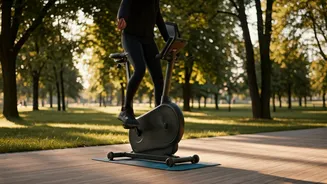
When people hear 'recovery,' they often picture a 'rest day' spent on the couch binging a new series. While passive rest has its place, modern recovery is a much more intentional practice. Think of it as a toolkit of 'strength moves' you perform outside the weight room. The first tool is nutrition and hydration. Consuming adequate protein provides the raw materials for muscle repair, while water is essential for flushing out metabolic waste and transporting nutrients. The second is active recovery. On a supposed 'day off,' performing light-intensity movement—like a brisk walk, a gentle swim, or some easy cycling—increases blood flow to tired muscles. This circulation helps deliver oxygen and nutrients while clearing out the byproducts that cause soreness, speeding up the healing process without adding more stress. Finally, there's mobility and soft-tissue work. Using tools like foam rollers or massage guns helps release muscle tightness, improve flexibility, and reduce the risk of injury. These aren't passive activities; they are deliberate actions designed to optimize your body's ability to bounce back.
How to Program Recovery Into Your Routine
Treating recovery as a strength move means scheduling it with the same seriousness you give to your deadlifts or squats. First, protect your sleep. Aim for 7 to 9 hours of quality, uninterrupted sleep per night. Improve your sleep hygiene by creating a dark, cool room, avoiding screens before bed, and maintaining a consistent sleep-wake cycle, even on weekends. Second, program your recovery days. Instead of just taking a day off when you feel exhausted, plan one or two active recovery days into your weekly schedule. On these days, commit to 20-30 minutes of light cardio or a dedicated mobility session. Finally, listen to your body’s biofeedback. Persistent soreness, a drop in performance, a lack of motivation, or an elevated resting heart rate are all signs that you’re under-recovered. Instead of pushing through, see it as a signal to prioritize a recovery 'workout'—be it an extra hour of sleep, a yoga class, or a nutritious, protein-rich meal.