





A Reaction to the Modern Diet
For decades, the American diet trended toward convenience: processed, packaged, and shelf-stable. While that approach fed a growing nation, it came at a cost to our collective health, contributing to a rise in chronic diseases. The current return to traditional
foods isn't just about nostalgia; it's a conscious rejection of the ultra-processed food system. Consumers are increasingly seeking authenticity and transparency, wanting to know where their food comes from and how it was made. This movement is driven by a desire for whole, nutrient-dense foods that have stood the test of time, long before industrial food science entered the picture. It represents a shift in values, prioritizing long-term wellness over short-term convenience and reconnecting with food that has a story and a deep cultural heritage.
The Fermentation Fascination
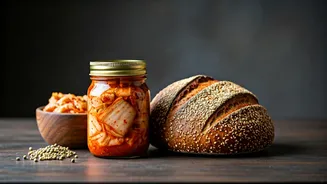
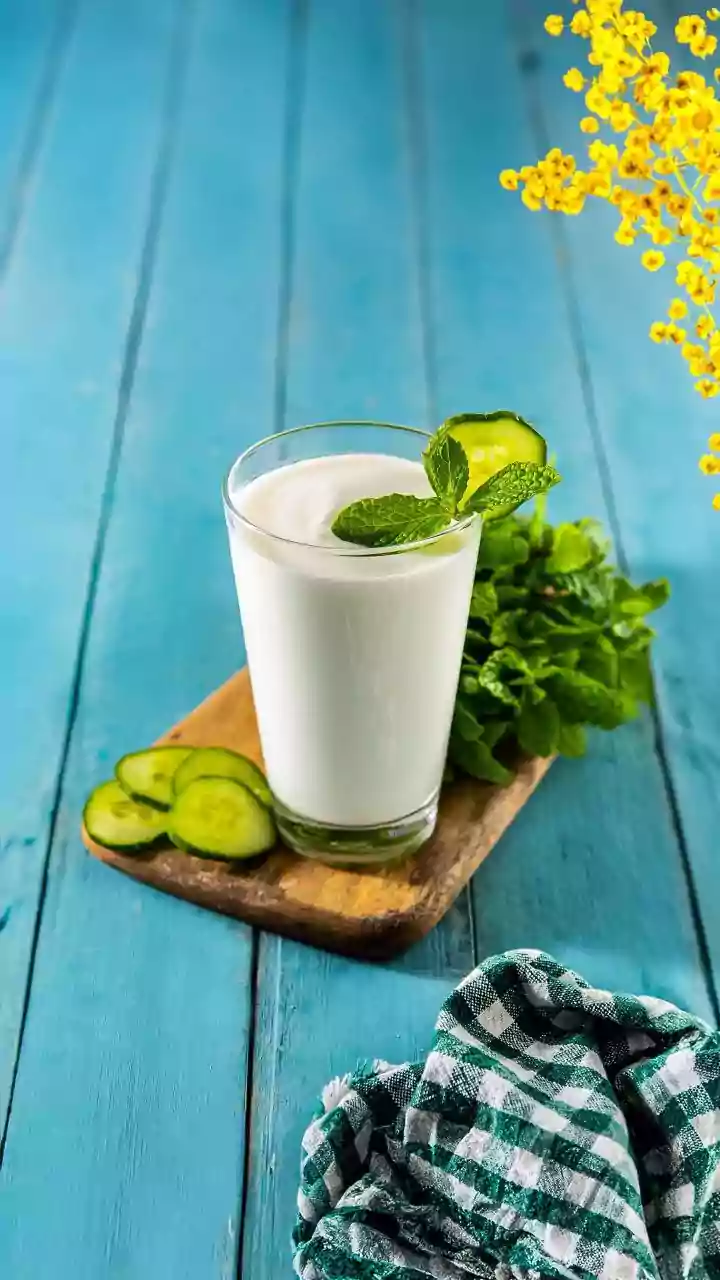
Perhaps the most visible part of this trend is the boom in fermented foods. Items like kimchi, sauerkraut, kefir, and kombucha are no longer niche products found only in health food stores; they’re mainstream. The magic lies in microbiology. Fermentation is an ancient preservation method that uses beneficial bacteria to transform food. These live microorganisms, known as probiotics, are celebrated for their role in supporting a healthy gut microbiome—the complex ecosystem of bacteria in our digestive tract. A balanced microbiome is linked to improved digestion, a stronger immune system, and even better mental health. By incorporating these living foods, people are actively nurturing their internal ecosystems in a way that processed foods simply can't.
The Bone Broth Boom
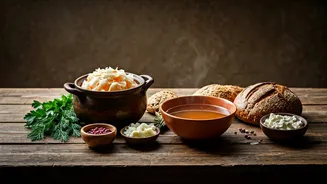
Simmering bones and connective tissue for hours to create a rich, nutrient-dense broth is a practice as old as cooking itself. Every culture has its version, used as a base for soups or as a restorative drink. Today, bone broth is making a major comeback, championed for its rich content of collagen, gelatin, and minerals like calcium and magnesium. Proponents believe it supports joint health, improves skin elasticity, and soothes the digestive lining. While large-scale clinical trials are still catching up to the hype, the anecdotal evidence and historical use are compelling. It represents a return to “nose-to-tail” eating, using every part of an animal to extract maximum nutrition and minimize waste—a philosophy that is both sustainable and deeply nourishing.
Rediscovering Native and Ancient Grains
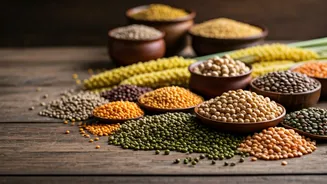
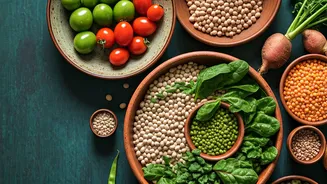
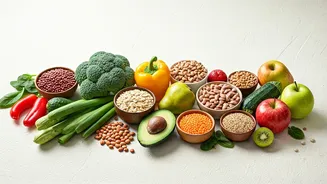
The movement also extends to the very foundation of our diet: grains and produce. Ancient grains like quinoa, farro, amaranth, and spelt are surging in popularity as people seek alternatives to refined wheat. These grains are often higher in protein, fiber, and micronutrients, offering a more complex nutritional profile and a lower glycemic impact. Simultaneously, there's a growing interest in indigenous foodways, celebrating the native foods of North America. Ingredients like bison, wild rice, tepary beans, and chokecherries are being recognized not only for their superior nutritional qualities but also for their cultural significance and resilience. This part of the trend is about more than just health; it's about food sovereignty and honoring the agricultural wisdom that thrived on this land for millennia.