

The Old Guard: 'Cold' Minimalism
Remember the look? It dominated Instagram feeds and design magazines for the better part of a decade. We can call it 'cold' or 'strict' minimalism. It was a visual diet of all-white walls, glossy concrete floors, sharp-angled furniture in shades of gray
and black, and a conspicuous absence of personal clutter. Every surface was polished to a high shine, every object felt curated for a photoshoot, and the overriding feeling was one of cool, detached perfection. This aesthetic was born from a desire for simplicity and order in a chaotic world. It was a visual palate cleanser. But for many, living in it felt less like being in a home and more like residing in a showroom. It was a space to be looked at, not lived in. The unwritten rule was 'don't touch,' creating an environment that could feel impersonal, uninviting, and, frankly, a little bland.
The New Philosophy: Comfort and Soul
Warm minimalism isn't an outright rejection of its predecessor; it's an evolution. It keeps the core principle—'less is more'—but redefines what 'more' means. Instead of focusing solely on removing items, it prioritizes filling a space with objects that have meaning, texture, and a sense of calm. It's the beautiful intersection of Scandinavian 'hygge' (coziness and contentment) and Japanese 'wabi-sabi' (finding beauty in imperfection). The philosophy here is simple: your home should be a sanctuary, not a museum. It should be a soft place to land at the end of the day. This shift was accelerated by the pandemic, as we spent more time than ever within our own four walls and realized we craved comfort, functionality, and a personal connection to our surroundings. The goal is no longer a perfect-looking space, but a perfect-feeling one.
How to Get the Look: Focus on Texture
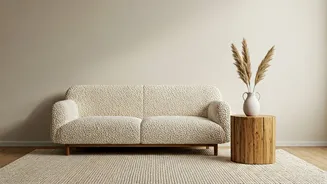
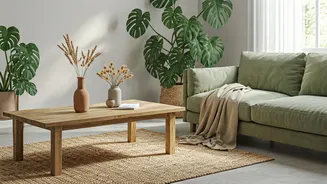
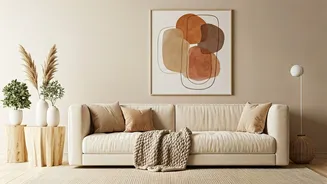
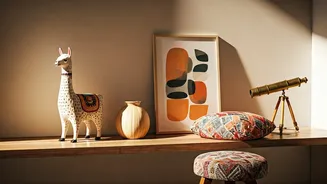
If cold minimalism was about smooth, reflective surfaces, warm minimalism is about things you want to touch. This is the easiest and most impactful way to adopt the style. Think chunky knit blankets draped over a sofa, linen curtains that softly filter light, and plush wool or jute rugs underfoot. It’s about layering different materials to create tactile depth. Even in a room with a neutral color palette, the interplay of a bouclé chair, a rough-sawn wood coffee table, and a soft linen pillow creates visual interest and an undeniable sense of comfort.
Embrace Natural Materials and Curves
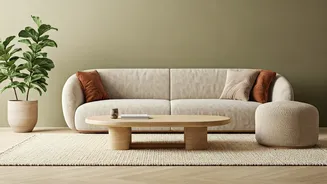
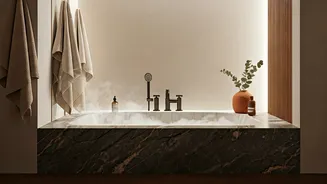
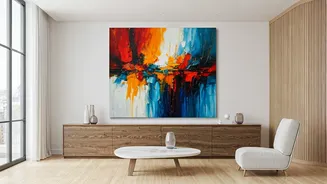
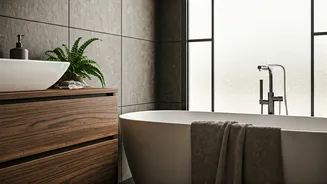
Move over, chrome and acrylic. Warm minimalism champions materials that feel connected to the earth. Unfinished or light-toned woods, rattan, cane, bamboo, and terracotta are the heroes of this style. These materials have inherent warmth and unique imperfections that add character to a room. This shift also applies to shapes. The harsh, straight lines of old are being replaced by soft curves. Look for sofas with rounded edges, arched doorways or mirrors, and circular coffee tables. These gentle shapes break up the rigidity of a room, making it feel more organic and inviting.
Rethink Your Color Palette
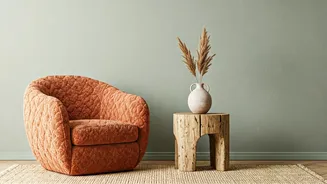
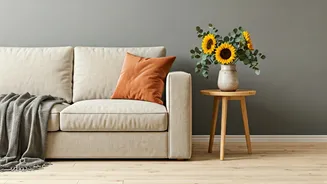
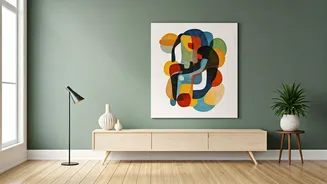
Goodbye, sterile white and harsh black. The warm minimalist palette is pulled directly from nature. Think of the shades of a desert at sunset: creamy whites, warm beiges (but not the 'sad' kind), terracotta, rust, olive green, and muted ochre. These colors are inherently calming and provide a perfect backdrop for natural materials to shine. They create a cohesive, serene environment that feels grounded and peaceful. The key is to use a limited, tonal palette rather than a riot of different colors, which maintains the minimalist ethos.
Curate, Don't Declutter to Zero
This is the most important distinction. Cold minimalism was about hiding everything. Warm minimalism is about thoughtfully displaying the things that matter. The space is still uncluttered, but it's not empty. It's about 'intentional' clutter. That handcrafted ceramic vase you bought on vacation, the stack of art books you love to flip through, a beautiful stone found on a hike—these are the items that tell your story. Instead of a dozen cheap decorative objects, you have one or two meaningful pieces. This approach transforms a house from a generic space into a personal home.