


The Old Roadside Reality
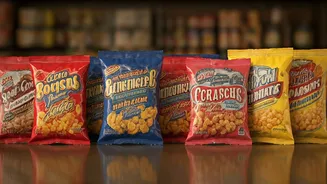
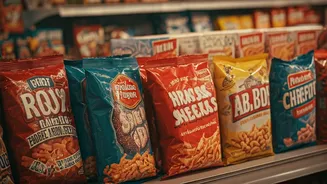
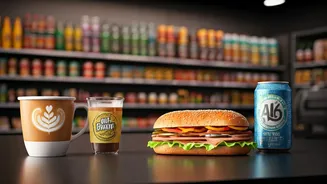
Remember the gas station food of yesteryear? It was a culinary wasteland governed by necessity. You’d fill up your tank and, driven by desperation, grab a lukewarm coffee, a questionable pre-wrapped sandwich, or a bag of chips that tasted vaguely of regret.
The options were limited, the quality was suspect, and the experience was purely transactional. This wasn’t a place you *wanted* to buy food; it was where you bought food because you were a captive audience hurtling down I-80 with another 200 miles to go. For decades, this was the accepted norm. Convenience stores focused on selling fuel, cigarettes, and lottery tickets. The food and drink offerings were an afterthought, a low-margin obligation for weary travelers. The business model wasn't built on delighting customers, but on being the only option for miles.
The Battle for the 'On-the-Go' Dollar
So, what changed? In short, everything. Today’s consumers, armed with smartphones and accustomed to on-demand everything, have higher expectations. That demand for quality and choice doesn't suddenly vanish when they get in a car. Recognizing this massive, underserved market, brands realized that the millions of Americans stopping for gas each day represented a golden opportunity. This isn't just about selling more snacks; it's about capturing the highly profitable “on-the-go” meal occasion. The logic is simple: if a driver is already stopping for fuel, why make them go to a separate location for food and coffee? By integrating a desirable food brand directly into the convenience store (C-store) footprint, companies can capture two sales in one stop. This strategy, known as co-branding, turns a low-margin fuel customer into a high-margin food customer, dramatically increasing the overall profitability of a single visit.
The Rise of the 'Grocerant'
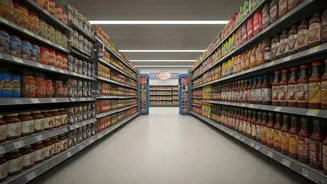
Before major fast-food chains fully saturated the roadside, a new breed of convenience store laid the groundwork. East Coast chains like Wawa and Sheetz, and Texas-sized titans like Buc-ee's, pioneered a new model: the C-store as a food destination. They transformed the gas station from a place of last resort into a legitimate lunch or dinner spot. These companies invested heavily in fresh, made-to-order food programs, offering everything from customized hoagies and specialty coffee drinks to fresh salads and brisket sandwiches. This “grocerant” model—a hybrid of grocery store and restaurant—proved wildly successful. It showed the industry that customers were not only willing to buy a full meal at a gas station, but they would go out of their way to visit a specific brand known for its quality offerings. This shifted the entire paradigm, proving that food could be the primary driver of traffic, not just an incidental purchase.
Fast Food's Final Frontier
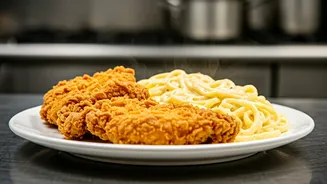
With the path cleared by innovators like Wawa, national quick-service restaurants (QSRs) jumped into the fray. Now, it’s common to see a Taco Bell, Pizza Hut, Subway, or Dunkin’ operating seamlessly inside a gas station or travel center. For these franchise giants, it’s a brilliant expansion strategy. It allows them to open new locations in high-traffic areas with lower overhead than a standalone restaurant, reaching customers precisely when they are thinking about their next meal. These are not just scaled-down, sad versions of the real thing. Many of these co-branded locations offer nearly the full menu, integrated with the C-store’s own beverage fountains and snack aisles. It's a symbiotic relationship: the fast-food brand draws in hungry customers, and the C-store benefits from the increased foot traffic and associated purchases of gas, drinks, and other items.
Tech on the Turnpike
The final piece of the convenience puzzle is technology. Mobile ordering has become a key part of this evolution. You can now use a brand’s app to order your food miles before you even arrive, timing it perfectly with your fuel stop. The order is ready and waiting when you walk in, eliminating lines and reducing friction. Loyalty programs are also being integrated, allowing you to earn points on both your grande latte and your tank of unleaded. This digital layer makes the entire experience faster and more personalized. It transforms the roadside stop from a chore into an efficient, predictable, and even pleasant part of the journey. As brands continue to refine these tech integrations, the convenience factor will only grow.