

Meet Makhana, The Puffed Powerhouse
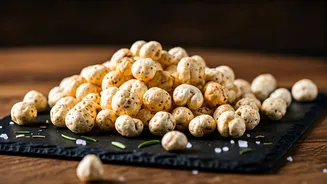
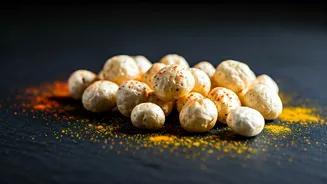
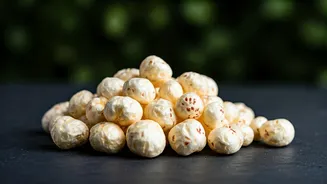
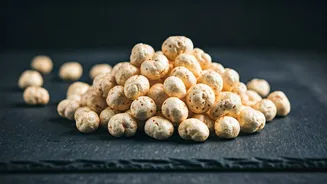
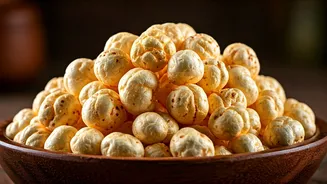
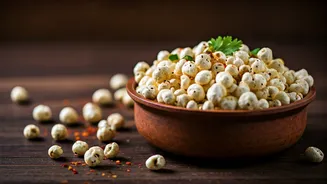
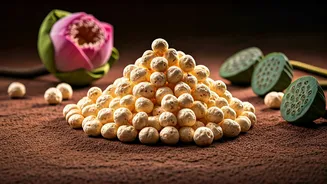
First, let's get acquainted with the star of the show: makhana. If you’ve never heard of it, you’re not alone, but you’re in for a treat. Makhana, also known as fox nuts or popped lotus seeds, are the seeds of the water lily plant. Harvested from the beds
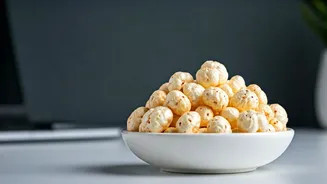
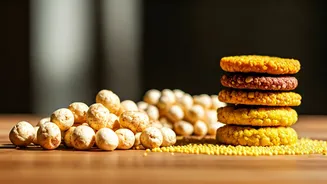
of ponds in India and other parts of Asia, these seeds are dried and then roasted at a high temperature until they pop, much like popcorn, but with a distinct personality. Imagine a snack that’s lighter than popcorn, less dense than a rice cake, and has a satisfyingly airy crunch. That’s makhana. On their own, they have a mild, neutral flavor, making them a perfect canvas for spices. In India, they’re a beloved staple, eaten as a roasted snack during fasts or simply as a healthier alternative to fried foods. They’re naturally gluten-free and pack a surprising nutritional punch, which is where the “smart” part of our equation begins to take shape.
Understanding the Art of Chaat
Now for the second part of the name: chaat. In the universe of Indian cuisine, chaat isn’t a single dish but a glorious category of savory snacks that deliver a full-blown sensory explosion. The word itself means “to lick,” and that’s exactly what you’ll want to do—lick the plate clean to get every last drop of flavor. The core principle of chaat is a symphonic balance of contrasting tastes and textures. It’s a carefully orchestrated chaos of sweet, sour, tangy, spicy, and savory flavors, all hitting your palate at once. Texturally, you’ll find crispiness from fried dough or puffed grains, softness from boiled potatoes or chickpeas, creaminess from yogurt, and a fresh crunch from raw onions and herbs. Chaat is the antithesis of a boring, one-note snack. It’s an experience, typically sold by street vendors and enjoyed with gusto across the subcontinent.
The Magic of Makhana Chaat
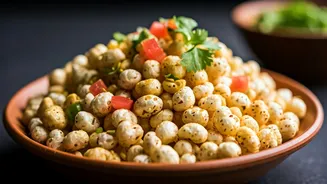
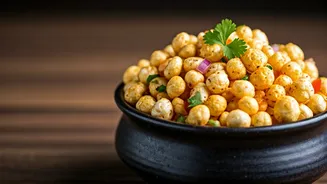
When you bring makhana and chaat together, you get something truly special. Makhana chaat takes the light, crunchy, and wholesome base of roasted makhana and dresses it up with the vibrant, complex flavors of a traditional chaat. The preparation is simple yet brilliant. Typically, the makhana are first roasted in a little ghee or oil until crisp, then seasoned with spices. Once cooled, they become the crunchy foundation. Then come the layers: cool, creamy yogurt, a drizzle of sweet-and-sour tamarind chutney, a splash of zesty mint-coriander chutney, and a generous sprinkle of finely chopped red onion, tomatoes, and fresh cilantro. The final flourish is a dusting of chaat masala, a pungent spice blend that ties everything together with its signature tangy, funky kick. Each spoonful offers a perfect bite: the airy crunch of the makhana, the cool creaminess of the yogurt, and the explosive pop of sweet, sour, and spicy notes from the chutneys and toppings.
Why It's Your Snack's 'Smart' Cousin
So, what makes makhana chaat the “smart cousin” to your usual bag of chips or pretzels? The intelligence is twofold: it’s smarter for your body and smarter for your palate. Nutritionally, makhana is a winner. It’s low in calories and fat, high in protein, magnesium, and potassium, and its low glycemic index makes it a more stable source of energy than processed carbs. Unlike fried potato chips, which offer little more than salt and fat, makhana provides substance without the guilt. From a culinary perspective, it’s an upgrade in complexity and satisfaction. Your average snack might be salty or sweet, but makhana chaat is a whole conversation of flavors. It engages your taste buds in a way that prevents boredom and leaves you feeling genuinely satisfied, not just full. It’s a snack that feels like a mini-meal, an indulgence that’s also secretly good for you. It’s the kind of smart decision that feels like a delicious reward.