





The Predictable Paradise
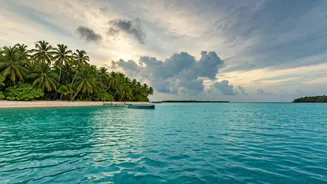
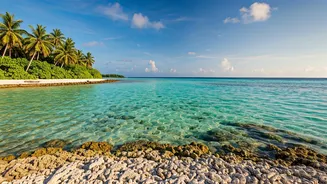
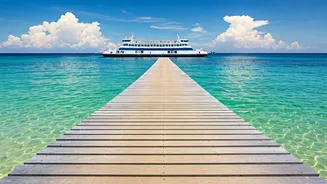
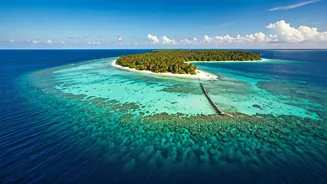
Imagine a string of 36 coral atolls in the Arabian Sea, a territory of India so pristine that access is intentionally limited. This is Lakshadweep. For the savvy traveler, its greatest luxury isn't just the turquoise lagoons or powdery white sand—it's
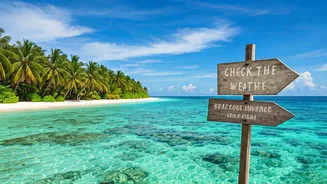
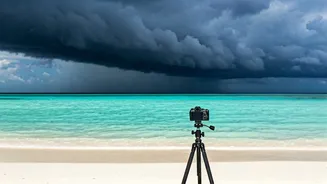
the beautifully predictable weather. The islands enjoy a glorious, sun-drenched dry season from roughly October through mid-May. During these months, the sea is calm, the humidity is low, and the skies are a brilliant, unbroken blue. This isn't a fleeting week of good weather; it's a reliable, months-long window. The southwest monsoon reliably arrives in late May or early June and lasts through September, effectively closing the islands to tourism. This clear-cut seasonality removes the guesswork that plagues so many other tropical vacation plans, allowing you to book with confidence.
The Anti-Hurricane Calendar
Here's where the 'weather-smart' part comes in. Let’s compare calendars. The Atlantic hurricane season officially runs from June 1 to November 30, peaking from August to October—exactly when many Americans look for an end-of-summer or fall escape. This makes planning a trip to the Caribbean or Florida a nerve-wracking roll of the dice. Meanwhile, many popular destinations in Southeast Asia, like parts of Thailand and Vietnam, are navigating their own tricky monsoon seasons during the American summer and fall. Lakshadweep’s prime season, however, begins in October, just as the Caribbean risk is at its highest. Looking for a guaranteed sunny Thanksgiving or Christmas holiday? Lakshadweep is entering its peak. Planning a spring break trip in March or April? You’ll find perfect conditions, long after the holiday crowds have departed. It’s the perfect counter-cyclical destination for those who prioritize sunshine and calm seas over rolling the climatic dice.
Unspoiled by Design
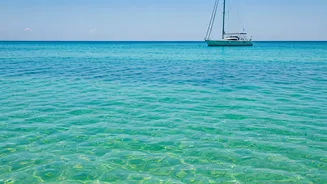
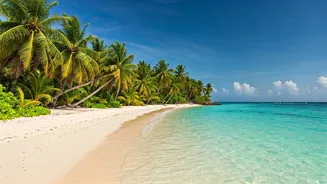
Lakshadweep's appeal goes far beyond its convenient climate. The archipelago is a masterclass in preservation. It's a place that feels worlds away from the overdeveloped, all-inclusive resorts that define other beach destinations. With a fragile ecosystem of coral reefs and marine life, the Indian government has designated the region an eco-sensitive zone. This isn't just a label; it translates to a tangible sense of untouched beauty. You won't find sprawling resorts, jet ski rentals crowding the water, or beaches packed shoulder-to-shoulder. Instead, the experience is about snorkeling and diving in crystal-clear waters, exploring vibrant coral gardens teeming with fish, and embracing a slower, quieter pace of life. The culture is unique, with influences from Kerala and Arabia, and the local cuisine is a delicious exploration of coconut, fish, and rice. It’s a destination that rewards travelers looking for authenticity, not just amenities.
The Catch: Planning is Key
So, what’s the catch? Paradise, in this case, requires paperwork. As a protected territory, Lakshadweep is not a place you can just show up to. All visitors, including Indian citizens from the mainland, require a special permit to enter. For foreign tourists, the process is even more structured. Generally, you must book a package through an authorized tour operator, who then handles the permit application on your behalf. Travel is mostly concentrated on a few islands open to tourists, such as Agatti (home to the airport), Bangaram, and Kadmat. Flights are limited, typically operating from Kochi in the state of Kerala. This layer of bureaucracy is precisely what keeps the islands so pristine and uncrowded. It means your trip requires advance planning and can’t be a last-minute whim. But for those willing to make the effort, the reward is access to one of the most serene and exclusive-feeling tropical destinations on the planet.