



An Introduction to India’s Powerhouse State
For many Americans, the Indian state of Maharashtra is synonymous with one place: Mumbai, the sprawling, chaotic, and cinematic heart of the nation’s economy and its Bollywood film industry. But venture beyond the megacity, and you enter a different world.
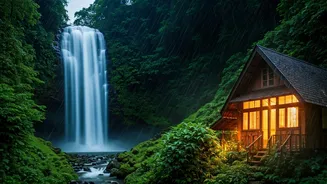
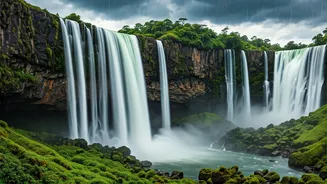
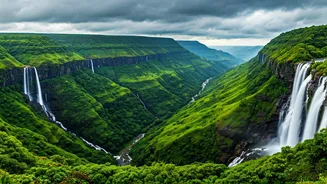
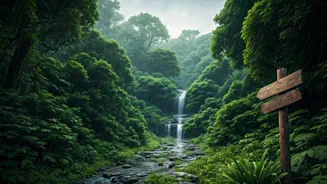
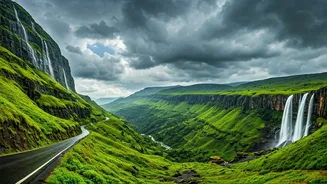
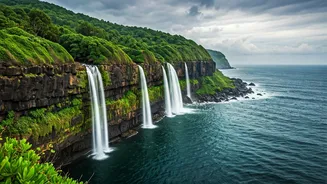
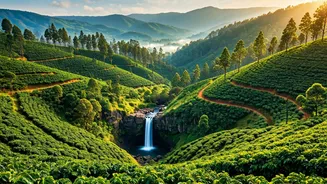
Maharashtra is vast—roughly the size of Italy—and boasts a shockingly diverse landscape. It has a long coastline, a rugged mountain range called the Western Ghats that UNESCO designates as a world heritage site, and vast plateaus that harbor some of India’s most important wildlife reserves. For years, this natural splendor was known mostly to locals and intrepid travelers. Now, thanks to a perfect storm of factors, it’s becoming the star of a global digital travelogue.
The Smartphone and Social Media Catalyst
The single biggest driver behind this visual boom is technology. India's digital revolution has put high-quality smartphone cameras and cheap, high-speed mobile data into the hands of hundreds of millions of people. Gone are the days when stunning wildlife photography required expensive DSLRs and specialized lenses. Today, a domestic tourist on a weekend trip can capture a sharp, vibrant image of a leopard in the wild and upload it to Instagram in minutes. This democratization of content creation has unleashed a torrent of high-quality visuals. Platforms like Instagram and Pinterest, which are driven by aesthetics, provide the ideal stage. An incredible photo from an unknown traveler can go viral, instantly putting a little-known waterfall or forest trail on the digital map for a global audience.
A Global Hunger for 'Undiscovered' Nature
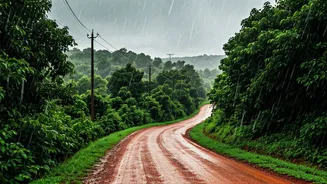
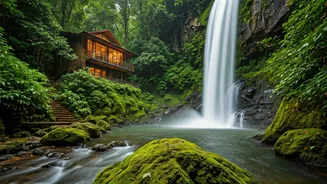
The pandemic fundamentally reshaped what many people want from travel. After years of lockdowns and restrictions, there's a collective craving for open spaces, fresh air, and authentic natural encounters. Over-touristed destinations are losing their appeal, while travelers actively seek out places that feel fresh and unexplored. Maharashtra fits this desire perfectly. Instead of the crowded palaces of Rajasthan or the packed beaches of Goa, it offers mist-covered forts, dense jungles, and serene riverbanks. For the American traveler scrolling on their phone, a photo of the lush, rain-soaked Kaas Plateau (the “Valley of Flowers”) during the monsoon feels more novel and alluring than another shot of the Eiffel Tower. It represents a different kind of journey—one that feels more personal and adventurous.
Where the Wild Things Truly Are
This isn't just a story about pretty landscapes; it's about charismatic megafauna. Maharashtra is home to the Tadoba Andhari Tiger Reserve, which has gained a reputation as one of the best places in India to see tigers in the wild. The park’s high density of tigers and excellent visibility means that safari-goers (and their cameras) are frequently rewarded with breathtaking sightings. Photos and videos of Tadoba’s majestic predators are pure social media gold, attracting wildlife lovers from around the world. Beyond tigers, the state’s sanctuaries protect leopards, sloth bears, wild dogs, and a dazzling array of birdlife. During migration season, thousands of flamingos turn the wetlands near Mumbai into a sea of pink, an annual spectacle that’s tailor-made for viral photography.
The Rise of Local Eco-Tourism
Sensing this growing interest, local authorities and private entrepreneurs have begun heavily promoting eco-tourism and wildlife safaris. The Maharashtra Tourism Development Corporation (MTDC) has been actively marketing the state’s natural assets, encouraging homestays, and improving infrastructure around key parks and scenic areas. Local tour guides, who are often skilled photographers themselves, use social media to showcase their recent sightings and advertise their services. This creates a self-reinforcing cycle: better promotion leads to more visitors, who in turn generate more high-quality photos and videos, which function as free, powerful advertising for the region. It’s a grassroots marketing phenomenon that has put Maharashtra firmly on the modern traveler’s radar.