


First, What Is Biophilic Design?
Before we get to the pet-friendly part, let’s break down the buzzword. Biophilic design is a concept built on the simple idea that humans have an innate need to connect with nature. In interior design, this translates to creating spaces that mimic the natural
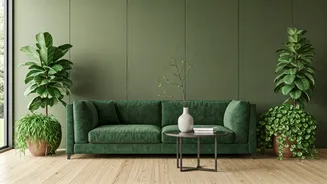
world to improve our mental and physical well-being. Think beyond just adding a few potted plants. True biophilic design incorporates natural light, organic materials like wood and stone, earthy color palettes, and patterns that evoke natural forms. It’s about creating a sensory experience—the texture of a jute rug underfoot, the calming view of greenery from your couch, the airiness of a sun-drenched room. The goal is to reduce stress, boost creativity, and foster a sense of tranquility by bringing the outside in.
Enter the Pet-Safe Imperative
Over the past several years, millions of Americans welcomed new pets into their homes. This shift turned living rooms into multi-species environments, and with that came a new set of design challenges. Suddenly, that beautiful fiddle-leaf fig in the corner became a potential hazard, as many popular houseplants are toxic to cats and dogs. That stylish, low-profile coffee table with sharp corners? A running hazard for a playful puppy. Homeowners quickly realized that creating a beautiful space meant nothing if it wasn't safe for their furry family members. This sparked a demand for non-toxic materials, durable fabrics that can withstand claws and fur, and layouts that provide enrichment without creating danger.
How the Two Trends Merged
Here’s where the magic happens. Instead of choosing between a plant-filled sanctuary and a pet-safe home, designers and homeowners began asking: why not both? Pet-safe biophilic design is the marriage of these two priorities. It’s a holistic approach that reshapes a room not just for human aesthetics, but for the entire household’s ecosystem. The question is no longer just, “Does this look good?” but rather, “Does this look good, feel good, and work for everyone, including the dog?” This has forced a creative rethinking of standard living room layouts. It's less about a single, static showpiece room and more about a dynamic, living environment that accommodates activity, rest, and safety for all.
The New Living Room Layout in Action
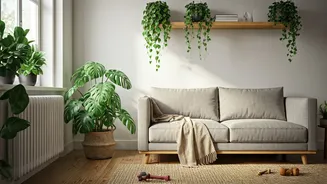
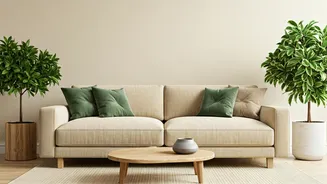
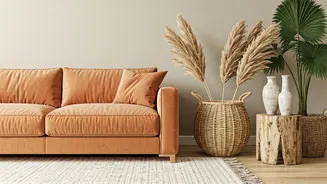
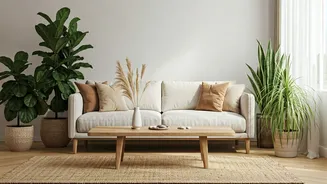
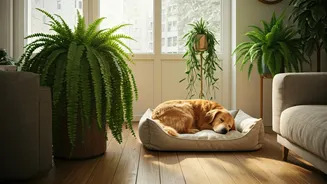
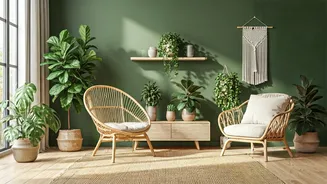
So what does this actually look like? Instead of a single large monstera on the floor, you’ll see vertical gardens or high floating shelves that keep toxic plants safely out of reach. Below, at pet-level, you’ll find clusters of non-toxic greenery like spider plants, Boston ferns, and select palms that are safe for curious nibblers. Coffee tables are increasingly round, made of sturdy wood, and free of sharp edges. Sofas and chairs are covered in performance velvets or tightly woven fabrics that resist snagging and are easy to clean. You might see a custom-built window perch for a cat integrated seamlessly into a bookshelf, or a dog bed tucked into a warm, sunlit nook that was designed for exactly that purpose. Rugs are often made of durable, natural fibers like sisal or jute, which echo the biophilic theme while being tough enough for pet traffic.
A Happier Home for Everyone
The reshaping of the living room isn't just a superficial trend; it's a reflection of a deeper shift in how we view our homes. By blending biophilic principles with pet-safe considerations, the new living room layout offers dual benefits. Humans get the stress-reducing, mood-boosting effects of being connected to nature, while pets get a safer, more stimulating environment. This approach eliminates the constant worry about a pet chewing on a toxic leaf or getting hurt on poorly chosen furniture. It fosters a space where humans and animals can coexist harmoniously, creating a home that is not only beautiful and stylish but also deeply nurturing for all of its occupants.