






1. Driving Through Standing Water
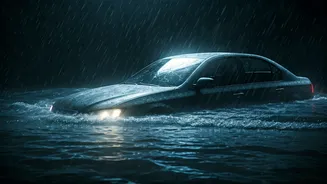
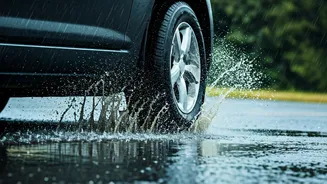
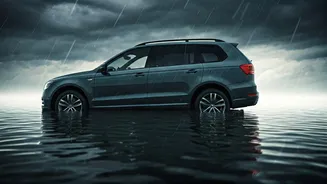
It’s the number one rule of driving in heavy rain, yet it’s a mistake drivers make every year: attempting to cross a flooded roadway. It’s impossible to know the depth of the water or the condition of the road beneath it. More importantly, it takes just
a few inches of water to cause serious trouble. Your vehicle’s air intake can suck water into the engine, causing a catastrophic failure known as hydrolock—a repair that can easily cost thousands of dollars. Furthermore, water can seep into critical electronic components, shorting out systems that control everything from your transmission to your airbags. The golden rule is simple: Turn around, don't drown. It applies to your car's health just as much as your own safety.
2. Ignoring Your Tire Tread and Pressure
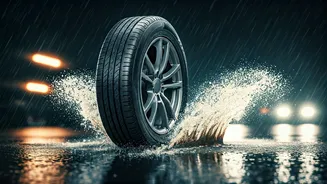
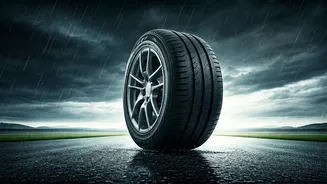
Your tires are your car's only connection to the road, and during a monsoon, that connection is fragile. Hydroplaning occurs when a layer of water builds between the tires and the road surface, leading to a complete loss of steering and braking control. Worn-out tires with shallow tread can’t channel water away effectively, making hydroplaning far more likely, even at low speeds. Before the season starts, check your tire tread depth using the simple penny test: place a penny upside down in the tread. If you can see all of Lincoln’s head, your tires are too worn and need replacing. Also, ensure your tires are inflated to the manufacturer’s recommended pressure, as under-inflated tires can also increase the risk of hydroplaning.
3. Neglecting Your Wipers and Lights
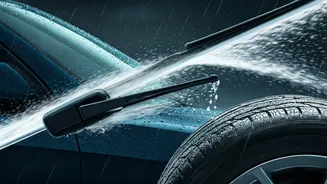
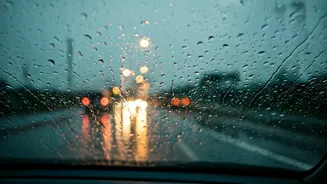
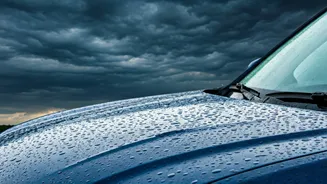
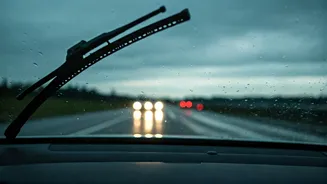
Visibility is your best defense in a sudden downpour. Old, cracked, or hardened windshield wipers won't clear your view effectively; they’ll just smear water across the glass, making a bad situation worse. Wiper blades are inexpensive and easy to replace, so there’s no excuse not to swap them out at the first sign of poor performance. Just as important is ensuring other drivers can see you. Before heading out, do a quick walk-around to check that your headlights, taillights, and brake lights are all functioning. In many states, it's legally required to have your headlights on when your wipers are in use, and for good reason—it dramatically increases your vehicle’s visibility to others in low-light, rainy conditions.
4. Parking in Low-Lying Areas
Where you park during monsoon season matters. Low-lying streets, underpasses, and arroyos are natural collection points for flash floods. What looks like a safe spot can become a lake in minutes. Pay attention to your surroundings and always choose higher ground for parking, even if it means a longer walk. It's not just about submersion; fast-moving water can carry debris that can dent your car or even sweep it away. If you live in an apartment complex or have a designated spot, be aware of its elevation and have an alternative, higher-ground location in mind for when severe storm warnings are issued.
5. Forgetting About Humidity's Hidden Damage
Monsoon damage isn't always as dramatic as a flooded engine. The spike in humidity can create a perfect breeding ground for mold and mildew inside your car's cabin. If you get into your car with wet clothes or an umbrella, that moisture gets trapped, leading to musty odors and potential health issues. Make it a habit to run your car’s air conditioning (even on a cool setting) after a storm, as the A/C system is an excellent dehumidifier. If you notice a persistent smell, check under floor mats for dampness. Using a small, car-specific dehumidifier or moisture-absorbing packets can also help keep the interior fresh and dry throughout the season.
6. Skipping a Post-Storm Inspection
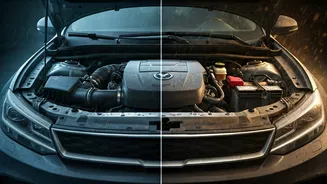
Even if you made it through the storm without incident, it’s wise to give your vehicle a quick check-up. After driving on wet roads, gently tap your brakes a few times to help dry out the rotors and pads, ensuring they are fully effective. Look underneath the car for any leaves, twigs, or other debris that might have become lodged in the undercarriage or grille, as this can restrict airflow and cause overheating. Finally, listen for any new or unusual sounds. Squealing belts can indicate they got wet, and any grinding from the wheels could signal that water and grit have compromised a wheel bearing. A quick once-over can help you catch small problems before they become major repairs.