


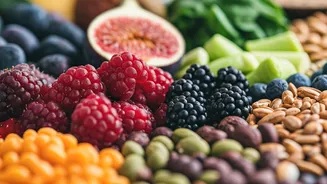




The Foundation: It Was Always Good for You
Let's get one thing straight: fiber's health benefits aren't new. For decades, doctors and dietitians have recommended it for its powerhouse effects on the digestive system. There are two main types, and most plant-based foods contain a mix of both. Insoluble
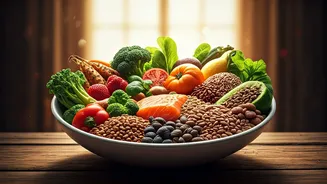
fiber, found in things like whole wheat flour and nuts, is the 'bulking' agent that helps keep you regular. Soluble fiber, present in oats, apples, and beans, dissolves into a gel-like substance. This gel can help lower cholesterol and stabilize blood sugar levels by slowing down digestion. So, the baseline advice to 'eat more fiber' for heart health and digestive regularity has always been scientifically sound. What's changed isn't the fundamental science, but how we talk about—and sell—these benefits.
The Game Changer: The Gut Microbiome
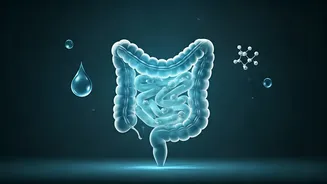
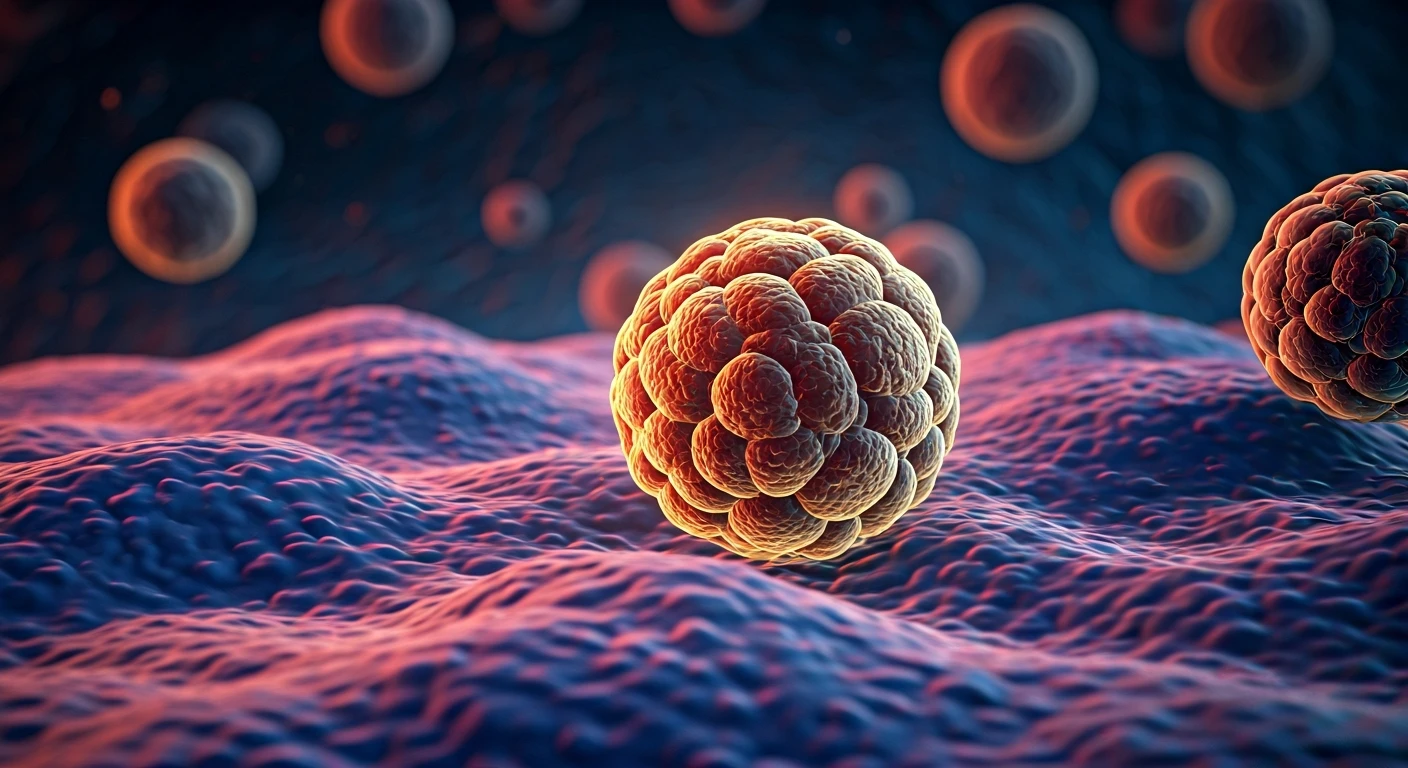
The real catalyst for fiber’s recent glow-up is the explosion of research into the gut microbiome. This is the complex ecosystem of trillions of bacteria, fungi, and other microbes living in your digestive tract. For a long time, this was a niche area of science, but now it’s gone completely mainstream. We’re learning that the health of this internal garden is linked to everything from our immune system and mood to our risk of chronic diseases. And what do these beneficial gut bacteria love to eat? Fiber. Specifically, they feast on soluble fiber in a process of fermentation that produces compounds called short-chain fatty acids (SCFAs). These SCFAs are superstars; they provide energy for your colon cells, strengthen the gut barrier, and reduce inflammation. In short, fiber isn't just 'roughage' anymore—it's the premier fuel for a healthy microbiome. This new understanding has transformed fiber from a simple digestive aid into a key player in holistic, whole-body wellness.
The Megaphone: #GutTok and Wellness Influencers
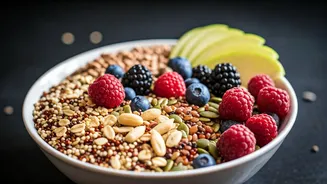
Science is one thing, but a trend needs a cultural engine. For fiber, that engine is social media. Platforms like Instagram and TikTok are flooded with content under hashtags like #GutHealth and #GutTok, which have billions of views. Wellness influencers share 'what I eat in a day' videos featuring vibrant, fiber-rich meals: chia seed puddings, loaded oatmeal bowls, and colorful salads piled high with beans and avocado. They talk openly about bloating, digestion, and feeling good from the inside out, destigmatizing topics that were once taboo. This constant stream of aspirational content has made gut health—and by extension, fiber—cool. It’s visual, it’s personal, and it offers a tangible way for people to feel like they are taking control of their health in a photogenic way.
The Products: A Grocery Aisle Makeover
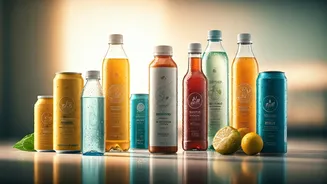
Where culture goes, commerce follows. Food and beverage brands have been quick to capitalize on the fiber frenzy. This isn't your grandfather's chalky orange-flavored powder anymore. The modern fiber product is sleek, sophisticated, and often sold on a promise of overall 'wellness' rather than just 'regularity.' Walk down the grocery aisle and you’ll see it everywhere. There are prebiotic sodas from brands like Olipop and Poppi that boast a few grams of fiber. You'll find 'gut-friendly' snack bars, high-fiber cereals with modern branding, and even clear, tasteless fiber powders designed to be mixed into any drink without a trace. These products make it easy and even enjoyable to up your fiber intake, fitting seamlessly into a busy, health-conscious lifestyle. By rebranding fiber as a convenient and aspirational wellness ingredient, companies have made it more appealing than ever to a younger, broader audience.