



The Forgotten Rice Becomes a Star
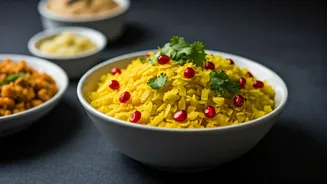
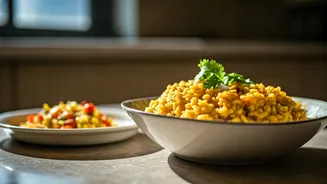
In the U.S., leftover rice often gets microwaved into a gummy shadow of its former self. But in India, it’s the key ingredient for some of the best quick meals. The most common reincarnation is *vagharela bhaat* (tempered rice). The cold, separated grains
are perfect for stir-frying. Aromatic spices like mustard seeds, cumin seeds, and turmeric are sizzled in hot oil or ghee, followed by onions, peanuts, and sometimes vegetables. The rice is tossed in, absorbing all the flavor and turning a brilliant yellow. The result is a savory, crunchy, and deeply satisfying dish that’s arguably better than the original. Another classic is lemon rice, where the grains are revived with tart lemon juice, fried lentils, and curry leaves for a bright, zesty meal.
Yesterday’s Dal Becomes Today’s Bread
A bowl of leftover dal (lentil soup) can seem uninspiring. But instead of just reheating it, many Indian home cooks mix it directly into whole wheat flour to make a dough. A little salt and a few spices are added, and the mixture is kneaded until smooth. This enriched dough is then rolled out and cooked on a griddle to create *dal parathas*—soft, flavorful flatbreads with the protein and taste of lentils baked right in. Served with a dollop of yogurt or a side of pickles, it’s a complete breakfast or lunch. This technique not only uses up the dal but also elevates a simple flatbread into a nutritious, self-contained meal. It’s a genius move that prevents waste and adds a layer of flavor you can’t get any other way.
Stale Roti Gets a Second Act
What do you do with chapatis or rotis that have gone a bit stiff? You definitely don’t throw them away. Instead, they’re torn or sliced into strips and given a new life as *kothu roti* or *roti poha*. Similar to the fried rice concept, the roti strips are stir-fried with onions, tomatoes, ginger, garlic, and a medley of spices. Sometimes egg or vegetables are scrambled in, turning it into a hearty, noodle-like dish with a delightfully chewy texture. It’s a staple of street food and home cooking alike, proving that even a humble, day-old flatbread has the potential for greatness. This is frugal innovation at its most delicious.
Cooked Vegetables Become a Brand-New Snack
Leftover *sabzi* (cooked vegetable dishes), whether dry like stir-fried potatoes or saucy like a mixed vegetable curry, is rarely served the same way twice. A common trick is to mash the vegetables and use them as a filling for a grilled sandwich—an Indian-style panini that’s crispy on the outside and savory within. Another popular option is to mix the mashed vegetables with breadcrumbs or chickpea flour, shape them into patties, and pan-fry them to create *cutlets* or *tikkis*. Served with chutney, these savory cakes are a beloved teatime snack. The spices from the original dish give the new creation a complex, built-in flavor that you couldn’t achieve starting from scratch.
The Philosophy: Respect for Food
This isn't just a collection of clever kitchen hacks; it’s a reflection of a deep-seated cultural ethos. In many Indian households, wasting food is seen as profoundly disrespectful. This philosophy, born from generations of making the most of every resource, fosters a mindset of creativity and ingenuity known as *jugaad*—a sort of frugal innovation. Leftovers aren't a problem to be managed; they are an ingredient, an opportunity. It’s a sustainable, resourceful, and ultimately more flavorful way of thinking about what’s in the fridge. This approach turns the act of clearing out leftovers from a chore into a creative culinary challenge.