

The End of Generic 'American' Food
For decades, the promise of a packaged meal was simple: speed, convenience, and a flavor profile so broad it could offend no one. Think vaguely Italian-inspired pasta, non-specific “American-style” pot roast, and Chinese-American dishes that tasted more
like the shopping mall food court than any particular region of China. But the culinary landscape has shifted. American diners, armed with knowledge from cooking shows, food blogs, and Instagram feeds, have developed a more sophisticated and curious palate. The generic is no longer enough. The new frontier for food brands isn’t just borrowing from international cuisines, but from the incredibly diverse kitchens right here at home.
Why Regional Is the New Gold Standard
So, what’s driving this hyper-local gold rush? It's a combination of cultural and commercial forces. First, there’s the quest for authenticity. Consumers, particularly Millennials and Gen Z, increasingly value food with a story and a sense of place. A Gullah Geechee-inspired rice dish or a Tex-Mex migas breakfast bowl feels more special and trustworthy than a generic “Southwest-style” scramble. This desire was amplified by the pandemic, which limited travel but paradoxically increased our appetite for culinary exploration from our own kitchens. If we couldn't visit New Orleans, we could at least buy a pretty good pre-made gumbo. Social media also plays a huge role, turning niche regional specialties like birria tacos or pimento cheese into national obsessions overnight. Food brands are paying close attention, realizing these trends are roadmaps to what consumers will want next.
From a Maine Lobster Roll to a Hatch Chile Stew
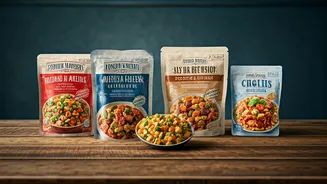
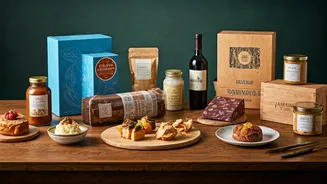
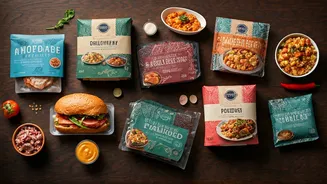
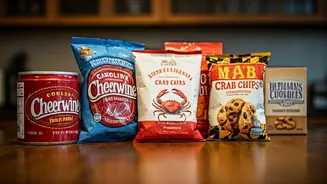
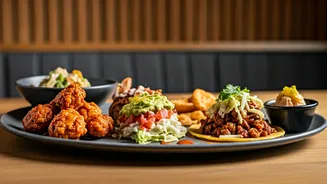
The evidence is all over the grocery store. Startups and established giants alike are rolling out product lines that read like a culinary road trip. You can now find frozen meals inspired by the smoky, mustard-based barbecue of South Carolina, shelf-stable soups that mimic the seafood chowders of the Pacific Northwest, and meal kits that promise the spicy, vibrant flavors of New Mexico's Hatch Valley. Brands like Kevin’s Natural Foods are offering sous-vide entrées with flavors like “Cilantro Lime Chicken,” while A Dozen Cousins focuses on dishes inspired by Creole, Caribbean, and Latin American recipes, including Southern staples like Black Eyed Peas. Even legacy brands are getting in on the action, launching premium lines that highlight specific regional ingredients and cooking styles. It’s a recognition that “American food” is not a monolith, but a rich tapestry of distinct local traditions.
The Smart Business of Borrowing
For food companies, this isn’t just about cultural appreciation; it's a savvy business strategy. Tapping into a beloved regional cuisine is less risky than inventing a new flavor profile from scratch. These dishes come with a built-in audience and a proven track record. It allows brands to segment the market and appeal to consumers looking for something beyond the bland middle ground. By offering a Nashville Hot Mac & Cheese, a company can capture the attention of someone who loves spice and comfort food—a specific, passionate demographic. This strategy helps brands differentiate themselves on crowded shelves and project an image of being artisanal, thoughtful, and in-the-know, even when they’re producing meals on an industrial scale. It’s a way of saying, “We get it. We know what good food tastes like.”