


A Valley Awakens
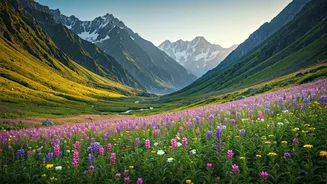
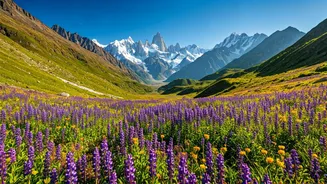
This is not a myth or a fairytale; it’s the Valley of Flowers National Park in Uttarakhand, India. A UNESCO World Heritage Site, this high-altitude valley is legendary. Local folklore holds that it was a playground for fairies and the place from which
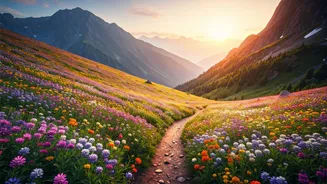
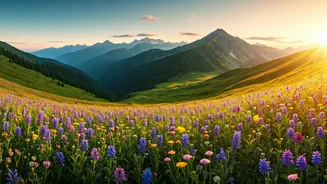
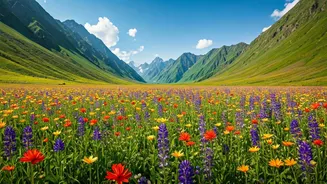
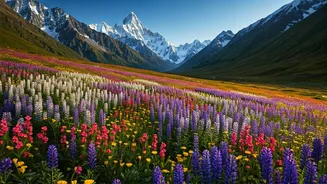
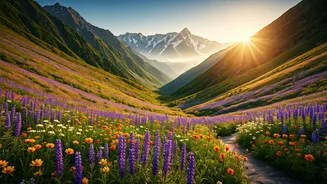
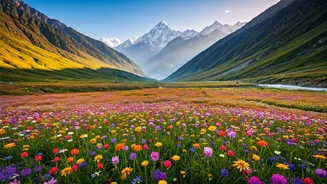
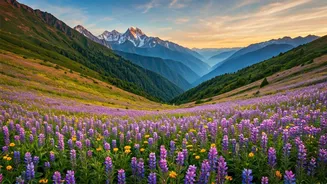
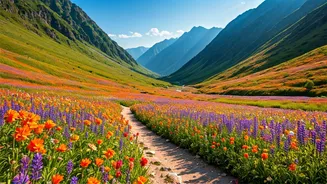
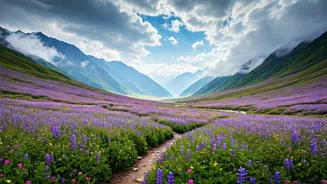
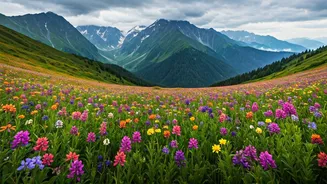
the Hindu deity Hanuman collected a life-saving herb. For ten months of the year, it’s a harsh, inaccessible landscape blanketed in snow. But when the summer monsoon arrives, it triggers one of nature’s most spectacular displays. The melting snow and persistent rains coax millions of alpine flowers to life, carpeting the valley floor in a vibrant, ever-changing tapestry of blues, pinks, yellows, and whites. This ephemeral bloom is what makes the trek into the valley one of the most sought-after journeys for nature lovers and adventurers alike.
The Monsoon's Masterpiece
The magic is in the sheer density and diversity. We’re not talking about a few scattered wildflowers. From late July through August, the valley becomes a living canvas. Over 500 species of flowers burst forth, creating meadows so dense with color they seem unreal. You'll walk through fields of Himalayan Balsam, Geraniums, and Potentilla. The stars of the show, however, are rarer finds. Keep your eyes peeled for the elusive and almost mythical blue poppy, a flower so strikingly vibrant it looks like it belongs in a dream. Another prized sight is the Brahma Kamal, a beautiful, saucer-shaped flower that blooms at night at these high altitudes and is a celebrated spiritual symbol in the region. The landscape is alive, buzzing with bees and flitting with butterflies, all drawn to the short-lived feast.
The Journey into the Garden
The trek to the Valley of Flowers is as much a part of the experience as the destination itself. The journey typically begins from the small village of Pulna, a short drive from the larger town of Joshimath. From there, it’s a steady, scenic trek of about 9 miles to the bustling base camp village of Ghangaria. This trail follows the Pushpawati River, its roaring sound a constant companion as you pass through lush forests, cross bridges, and ascend into the high country. Ghangaria serves as your home for a few nights, a lively hub filled with fellow trekkers, pilgrims heading to the nearby Sikh shrine of Hemkund Sahib, and the comforting steam of chai stalls. It’s a place to acclimate, rest, and build anticipation for the final walk into the valley itself.
Walking Through the Magic
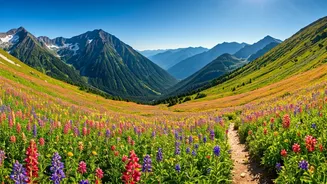
The day you enter the valley is unforgettable. After a short walk from Ghangaria, you pass through the official entry gate. The path quickly opens up from a forested trail to a vast, U-shaped meadow flanked by dramatic, snow-dusted peaks. The scale is immense. You are a tiny speck in a massive natural amphitheater. The air is cool and crisp, scented with damp earth and the subtle fragrance of a million blossoms. The trail meanders for several miles into the valley, allowing you to immerse yourself completely. Every turn reveals a new palette of colors, a different floral arrangement set against the powerful backdrop of the Himalayan giants. It's a place that demands you slow down, breathe deeply, and simply look.
Planning Your Himalayan Dream
While breathtaking, this trek is accessible to most people with a decent level of fitness. The trail is well-marked, and the daily distances are manageable. The main challenge is the altitude, which makes a slow and steady pace essential. The absolute best time to go is from late July to the end of August, the peak of the bloom. You will need a permit to enter the national park, which can be obtained at the checkpoint near Ghangaria. Essential gear includes waterproof everything—jacket, pants, and a cover for your backpack—as monsoon showers are frequent and unpredictable. Sturdy, broken-in hiking boots are non-negotiable. While the trek is considered moderate, proper acclimatization and preparation are key to a safe and enjoyable experience.