




The Backlash to Burnout Culture
Remember the era of high-intensity interval training (HIIT) mania? Every fitness class, from spin to boot camp, promised to torch the maximum number of calories in the shortest amount of time. The mantra was “go hard or go home,” and the metric for success
was exhaustion. While effective for some, this approach left many feeling depleted, overworked, and sometimes injured. The relentless focus on burning calories created a punishing relationship with exercise, viewing it as a transaction to “earn” food or “undo” indulgence. This “sweat-equity” model of fitness is facing a significant backlash. People are tired. The same burnout culture that plagues our workplaces has seeped into our wellness routines. The new thinking embraces sustainability. Instead of a workout that leaves you needing a nap, the goal is a session that leaves you feeling capable and energized. This turn toward strength training is, in part, a collective decision to stop treating our bodies like an enemy to be conquered and start treating them like a project to be built.
Science Catches Up to the Iron
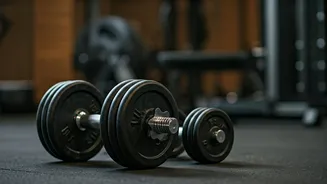
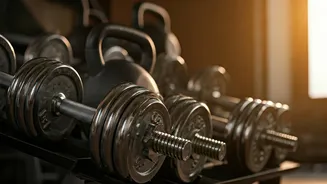
While bodybuilders have known it for decades, the mainstream is finally catching on to the profound, long-term benefits of lifting weights. The conversation has shifted from the short-term goal of calorie burning to the long-term investment in health. Building and maintaining muscle mass is now understood as a cornerstone of longevity and metabolic health. More muscle means a higher resting metabolic rate, which means your body burns more calories even when you’re not working out. This makes weight management less about punishing cardio sessions and more about your body’s baseline efficiency. Beyond metabolism, the benefits are holistic. Strength training is one of the most effective ways to build bone density, a critical defense against osteoporosis, particularly for women. It improves insulin sensitivity, reducing the risk of type 2 diabetes. It enhances joint stability, improves posture, and simply makes everyday life easier—from carrying groceries to lifting your kids. The science is clear: strength is a key pillar of a healthy life, not just an aesthetic choice.
The Social Media Effect
You can’t talk about a modern trend without talking about social media. On platforms like TikTok and Instagram, a new generation of fitness influencers has demystified the weight room. Where it was once seen as an intimidating space dominated by grunting men, it’s now presented as an accessible, empowering environment for everyone. Crucially, these influencers have changed the narrative for women. For decades, women were marketed “toning” workouts with light pink dumbbells, with the implicit warning that lifting heavy would make them “bulky.” Today, female lifters on social media celebrate hitting new personal records on deadlifts and squats. They showcase strength as beautiful and aspirational. This visual representation has been incredibly powerful, giving millions of women the confidence to pick up a barbell for the first time and reject outdated, gendered notions of fitness.
It’s About Power, Not Punishment
Perhaps the most significant driver of this trend is psychological. A grueling cardio session often focuses on what you’re losing: calories, pounds, inches. The mindset can be one of reduction and depletion. Strength training, by contrast, is inherently about what you are gaining: strength, skill, and competence. The progress is tangible and deeply satisfying. You start by lifting a certain weight, and a few weeks later, you can lift more. This measurable progress fosters a powerful sense of agency. It shifts the focus from what your body looks like to what it can *do*. This can be revolutionary for self-esteem, especially for those who have had a fraught relationship with body image. Instead of chasing a number on the scale, you’re chasing a new personal best. It reframes exercise as a practice of self-empowerment, not self-punishment.