

From Opulence to Oasis
For years, the aspirational Indian home was often a showcase of prosperity, marked by imported marble, shimmering chandeliers, and rooms designed for elaborate entertaining. But a profound cultural shift, accelerated by the global pandemic, has reframed
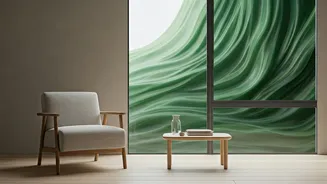
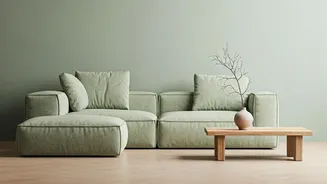
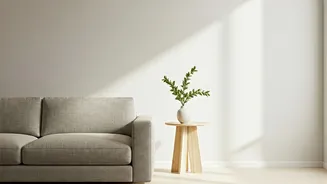
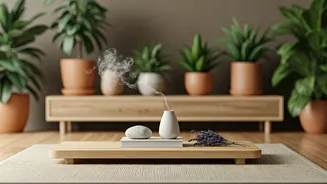
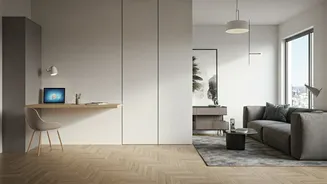
the home as a personal sanctuary. Designers and homeowners are now prioritizing spaces that soothe the mind, nurture the body, and foster a connection to the self. This isn't about minimalism in the stark, Western sense. Instead, it’s about a mindful richness. The new luxury is a home that breathes, offering respite from the sensory overload of modern urban life. It’s a move away from performative design towards introspective living, where the primary resident to impress is oneself. This means less clutter, more intention, and a focus on creating pockets of tranquility for meditation, yoga, or simply unwinding with a cup of chai.
Ancient Wisdom, Modern Spaces
Much of this trend feels fresh, but its roots are ancient. Designers are drawing inspiration from Vastu Shastra, a traditional Indian system of architecture and design that is, in essence, a thousands-of-years-old guide to wellness at home. Think of it as a cousin to Feng Shui. Vastu principles guide the placement of rooms, furniture, and even water features to optimize the flow of positive energy, or 'prana.' In a modern context, this isn't about rigid dogma. It's about a flexible interpretation. A contemporary Vastu-inspired home might orient a study towards the north or east to capture morning light that aids concentration, ensure the kitchen is well-ventilated, or create a clutter-free central space (the ‘Brahmasthan’) that acts as the lungs of the home. It’s a way of embedding mindfulness and intention directly into the blueprint of a house, aligning the physical structure with spiritual well-being.
The Power of Natural Materials
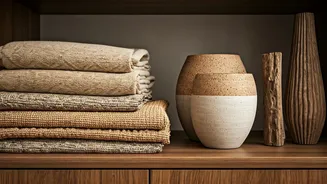
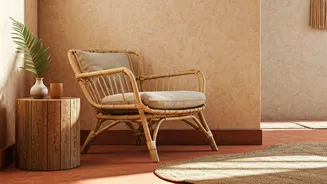
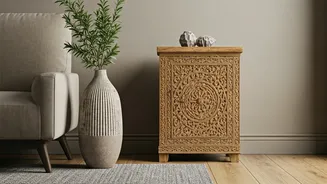
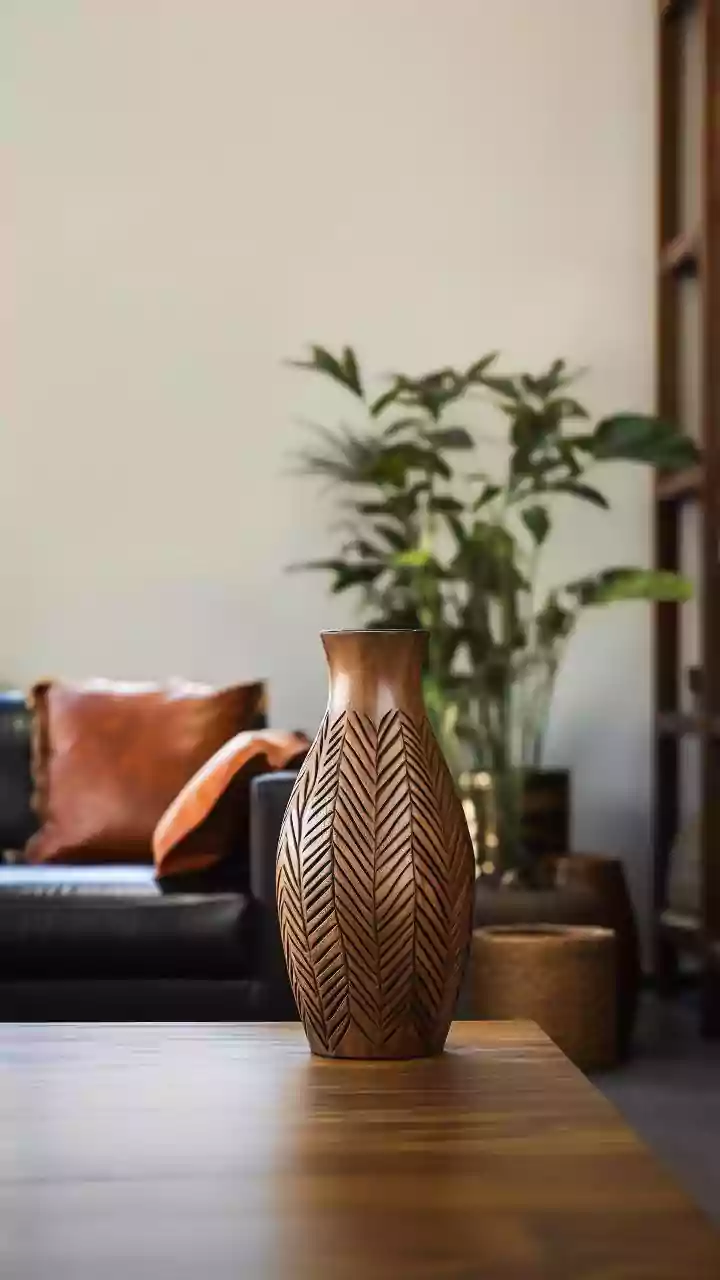
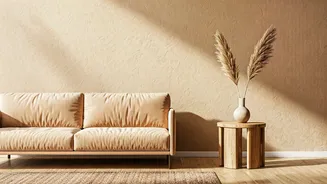
This wellness upgrade is also deeply connected to a return to the earth. Polished, synthetic finishes are being swapped out for materials that are tactile, authentic, and locally sourced. Walls are being finished in breathable lime plaster ('chuna') or textured terracotta. Floors might be cool stone or warm, sustainable wood. Furniture made of cane, rattan, and reclaimed teak adds a layer of handcrafted warmth. Textiles play a huge role, too. Heavy brocades are giving way to hand-spun khadi cotton, light linens, and jute rugs. These materials don't just look good; they feel good to the touch and connect the home to a long lineage of Indian craftsmanship. This celebration of the imperfect, handmade object over the mass-produced import is a core tenet of the new Indian interior, creating spaces that feel both grounded and soulful.
Bringing the Outdoors In
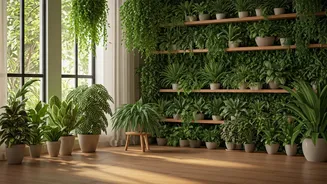
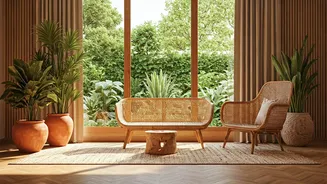
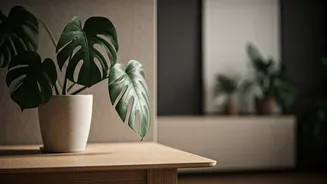
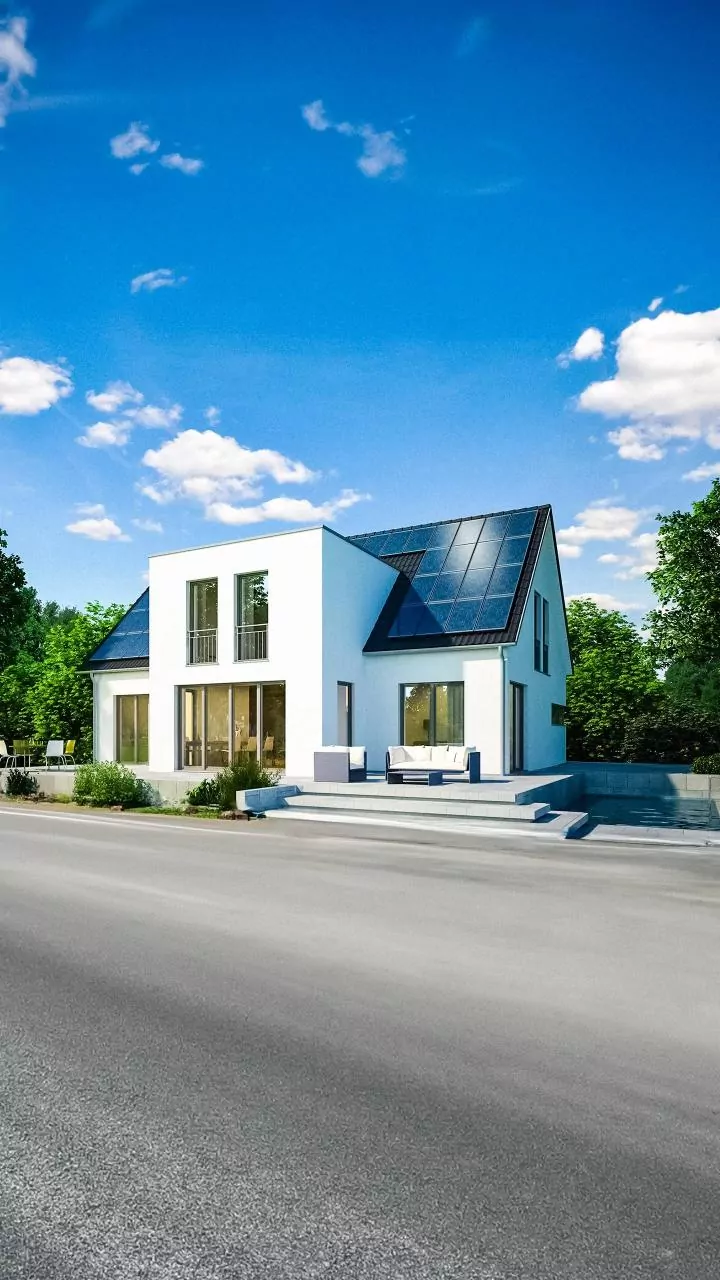
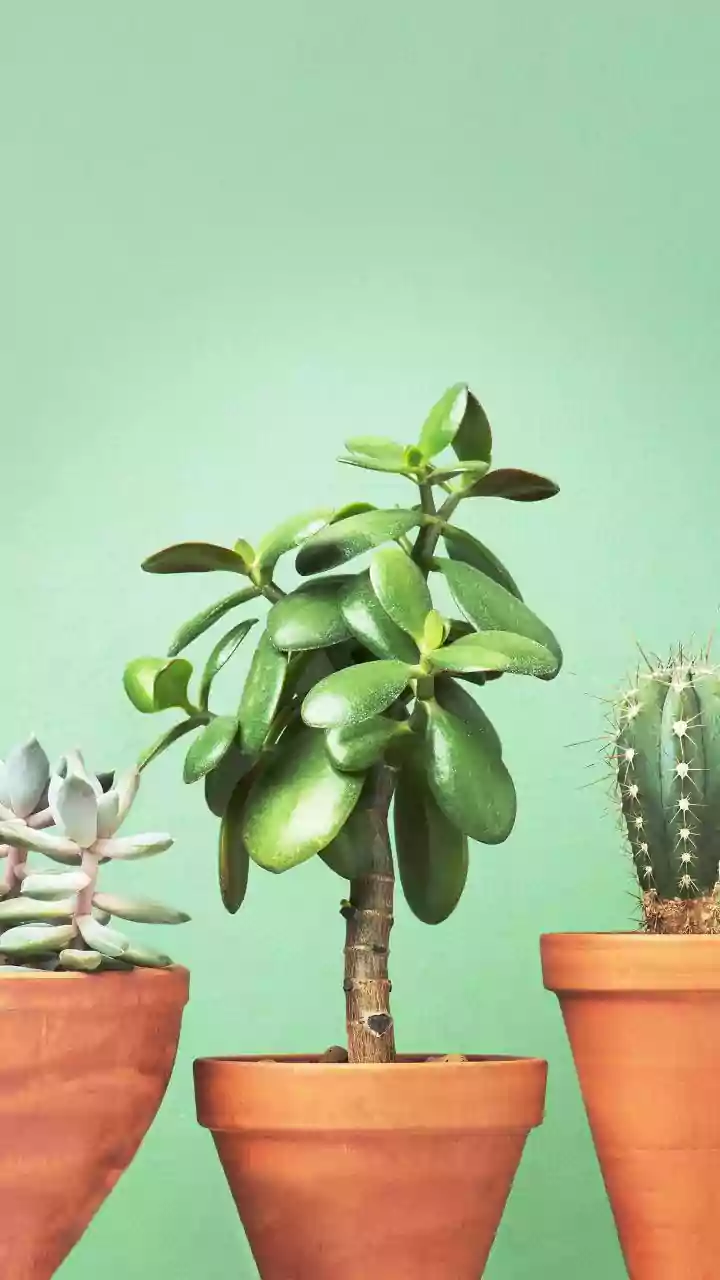
Finally, no wellness-focused home is complete without a deep connection to nature, a concept known as biophilic design. In the dense urban landscapes of Mumbai, Delhi, or Bengaluru, this has become a creative necessity. Architects and designers are going to great lengths to dissolve the boundary between inside and out. This can be as grand as designing a home around a central courtyard with a mature tree, or installing floor-to-ceiling windows that frame a view of the sky. But it’s also achieved on a smaller, more accessible scale: balconies overflowing with potted plants, kitchen herb gardens, and an abundance of indoor greenery to purify the air and calm the nerves. The sound of a small water feature, the dappled light filtering through leaves—these simple sensory inputs are now considered essential elements of a well-designed home.