
The Soul of a Complete Meal
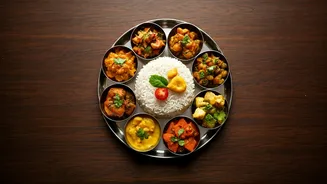
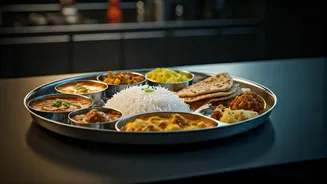
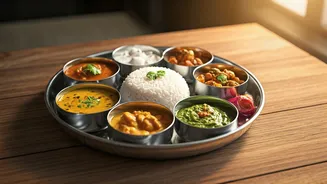
Before we get to the lab coats, let’s talk about the thali itself. For the uninitiated, a thali (Hindi for “plate”) is a round platter used to serve a complete Indian meal. But it’s so much more than dinnerware. The concept is a masterclass in culinary
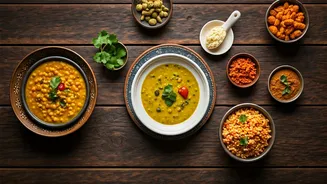
balance, built on Ayurvedic principles of incorporating six key tastes: sweet, salt, sour, bitter, pungent, and astringent. A typical thali features a selection of small bowls (katoris) arranged around a central serving of rice or flatbread. You’ll find a lentil dish (dal), a vegetable preparation (sabzi), a yogurt-based side (raita), a pickle (achar), and maybe a small dessert. It’s a self-contained ecosystem of flavors, textures, and nutrients. It represents regional diversity—a Gujarati thali is vastly different from a South Indian one—but the core idea remains: to provide a satisfying, holistic, and nutritionally complete meal in one sitting. It's the opposite of a fad diet; it's an enduring food tradition built on intuitive wellness.
Enter the Food Scientist’s Lab
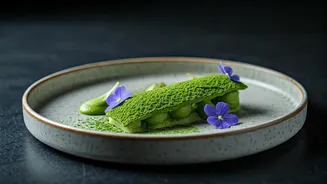
So where does science come in? The “romanticising” in the headline refers to the process of taking this humble, everyday concept and elevating—or arguably, over-engineering—it for a modern, global, wellness-obsessed consumer. This isn't just your local Indian restaurant; this is about a fundamental shift in preparation and presentation. High-end chefs are deconstructing thalis, using molecular gastronomy to turn raita into a delicate foam or mango pickle into an explosive “sphere.” Food-tech startups are designing pre-packaged thali bowls with macros calculated to the last gram, using fortified grains and lab-optimized spice blends that promise “peak performance.” Instead of slow-simmered dal, you might get a protein-rich lentil purée created with high-pressure processing to preserve nutrients. The humble roti might be replaced with a quinoa-based flatbread with a scientifically-determined optimal fiber content. This is the thali filtered through the lens of Silicon Valley—efficient, measurable, and marketable.
Tradition, Reimagined or Disrupted?
Is this a bad thing? Not necessarily. This scientific approach makes Indian cuisine more accessible to people with dietary restrictions and specific health goals. It introduces new textures and experiences that can be genuinely exciting. A perfectly engineered, convenient thali bowl is a far healthier lunch than a sad desk salad. The process can demystify the cuisine for American home cooks who might be intimidated by a long list of spices and unfamiliar techniques. But something is often lost in translation. The romance of the scientific thali is a curated one. It strips away the context of the home, the intuitive adjustments a cook makes based on the season or who they’re feeding, and the communal act of sharing. The traditional thali is a testament to the wisdom of generations; the scientific thali is a testament to the power of a good algorithm. One is a living tradition, the other is a perfected product.
The Business of the Balanced Meal
Ultimately, this trend is also about business. The global wellness market is worth trillions, and “ancient wisdom” backed by “modern science” is an incredibly potent marketing combination. The thali, with its inherent story of balance and health, is a perfect canvas. Companies can sell convenience, nutrition, and a dash of exoticism all in one package. It taps into the desire for authentic cultural experiences, but delivered in a controlled, predictable, and premium format. It’s no coincidence that this is happening now, as more consumers look for plant-based, nutrient-dense meals that don’t sacrifice flavor. The thali was always this, but branding it, optimizing it, and romanticising it for a new audience makes it a powerful commercial product.