






The Silence of the Temple
Long before the first commuters flood the subways, a profound quiet settles over Korea's mountain temples. Here, the day begins not with an alarm, but with the gentle resonance of a wooden mallet striking a fish-shaped gong. This is the world of the temple stay,
an immersive experience that strips away modern distractions and offers a portal to centuries of Buddhist tradition. Guests rise in the pre-dawn darkness, the air crisp and cool. The first ritual is often a simple bowing ceremony, a practice in mindfulness and humility. This is followed by silent meditation, where the only sounds are your own breathing and the distant rustle of leaves. The morning meal, baru gongyang, is a lesson in itself—a simple, vegan spread eaten from a set of four bowls in complete silence, with not a single grain of rice wasted. It’s not about religion as much as it is about rhythm: the slow, deliberate pace recalibrates your internal clock, replacing anxiety with a deep-seated calm. The experience transforms the morning from a frantic rush into a sacred, contemplative space.
The Art of Morning Tea
In cities like Seoul and Busan, the quiet morning continues in the hidden alleyways where traditional teahouses, or dawon, reside. Often housed in beautifully preserved hanok (traditional Korean houses), these spaces are sanctuaries of peace. Sliding open a wooden door, you leave the 21st-century city behind and enter a world of paper screens, warm wood floors, and the subtle aroma of jujube and ginger.
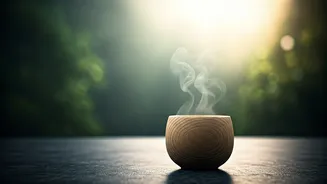
Unlike a frantic coffee shop run, a morning visit to a dawon is a slow, deliberate ritual. You might be served a delicate green tea from Boseong’s famed fields or a syrupy, restorative plum tea. The host often explains the properties of each brew, pouring the water with practiced grace. Here, time seems to bend. You sit on a floor cushion, looking out onto a small, manicured garden, and sip. There is no Wi-Fi password offered, no pressure to leave. It’s an invitation to simply be present, to watch the light change, and to savor a moment of quiet introspection before the day’s demands begin.
A Hike into the Clouds
For many Koreans, the ultimate quiet morning is found on a mountain trail. Hiking is a national passion, and the most dedicated enthusiasts begin their ascent while the stars are still out. In national parks like Bukhansan on the edge of Seoul or Seoraksan on the east coast, you’ll find groups of hikers, their headlamps cutting through the dark, making their way to a peak to witness the sunrise.
The reward is spectacular. As the sun crests the horizon, it burns through the morning mist that often blankets the valleys, creating an ethereal, ink-wash painting landscape. The air is pure, the views are panoramic, and the sense of accomplishment is shared in quiet nods and smiles among fellow hikers. This communion with nature is a powerful spiritual cleanser, a physical and mental reset that sets a positive tone for the entire day. It’s a reminder that even next to a metropolis of 10 million people, a wild and peaceful escape is just a short hike away.
The Empty Palace Grounds
Even in the heart of the city, tranquility can be found if you know when to look. The grand palaces of Seoul, like Gyeongbokgung and Changdeokgung, are major tourist attractions that teem with crowds by midday. But visit right as the gates open, and the experience is entirely different. You can wander through expansive courtyards and along stone pathways with only a handful of others.
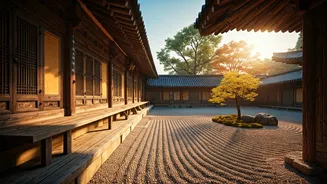
The morning light filters softly through the intricate latticework of the pavilions. You can hear the crunch of your own footsteps on the gravel and admire the architectural details without jostling for a photo. Strolling through the Secret Garden at Changdeokgung Palace in the early hours feels like being let in on a beautiful, historical secret. This is when the palaces feel less like a museum and more like the royal residences they once were—stately, silent, and filled with a lingering sense of grace.