




The Price of Admission
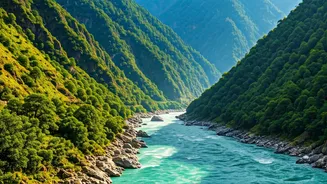
The journey begins not with a gentle stroll, but with a commitment. After reaching the remote outpost of Govindghat in the Indian state of Uttarakhand, travelers face a multi-day trek. The path, often slick with mud and mist, winds steadily upward alongside
the roaring Pushpawati River. This is high-altitude country, with the air thinning as you climb past 10,000 feet. Rain is not a possibility; it’s a companion. It drips from the broad leaves of rhododendron trees and feeds the gushing waterfalls that cascade across the trail. For hours, the world is a palette of greens and grays. Every step is an investment, a test of resolve against the damp chill and the burning in your legs. It feels less like a prelude to beauty and more like an endurance challenge, but this demanding trek is the essential entry fee for witnessing a miracle.
A Himalayan Eden
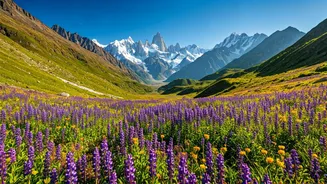
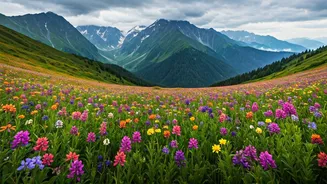
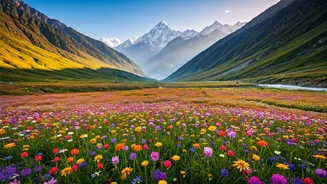
The reward is the Valley of Flowers National Park, a place so ethereal it was long the stuff of local legend. According to lore, it was a playground for fairies, a place where the gods dropped their ornamental blooms. Hidden from the outside world until its rediscovery by British mountaineers in 1931, it’s now a UNESCO World Heritage Site. The valley is a high-altitude alpine meadow cradled between jagged, snow-dusted peaks. But what makes it truly unique isn’t just its dramatic setting; it’s the astonishing botanical density. For most of the year, the valley lies dormant, buried under a thick blanket of snow. It’s a stark, silent landscape. But as the winter snows melt and the summer monsoon clouds roll in, the valley undergoes a radical transformation. The rain, so challenging on the trek up, becomes the catalyst for a stunning display of life.
The Monsoon's Masterpiece
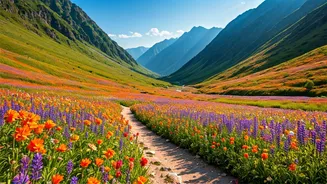
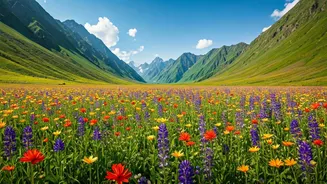
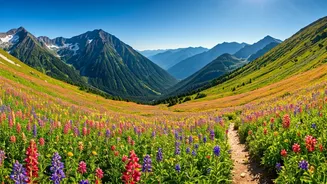
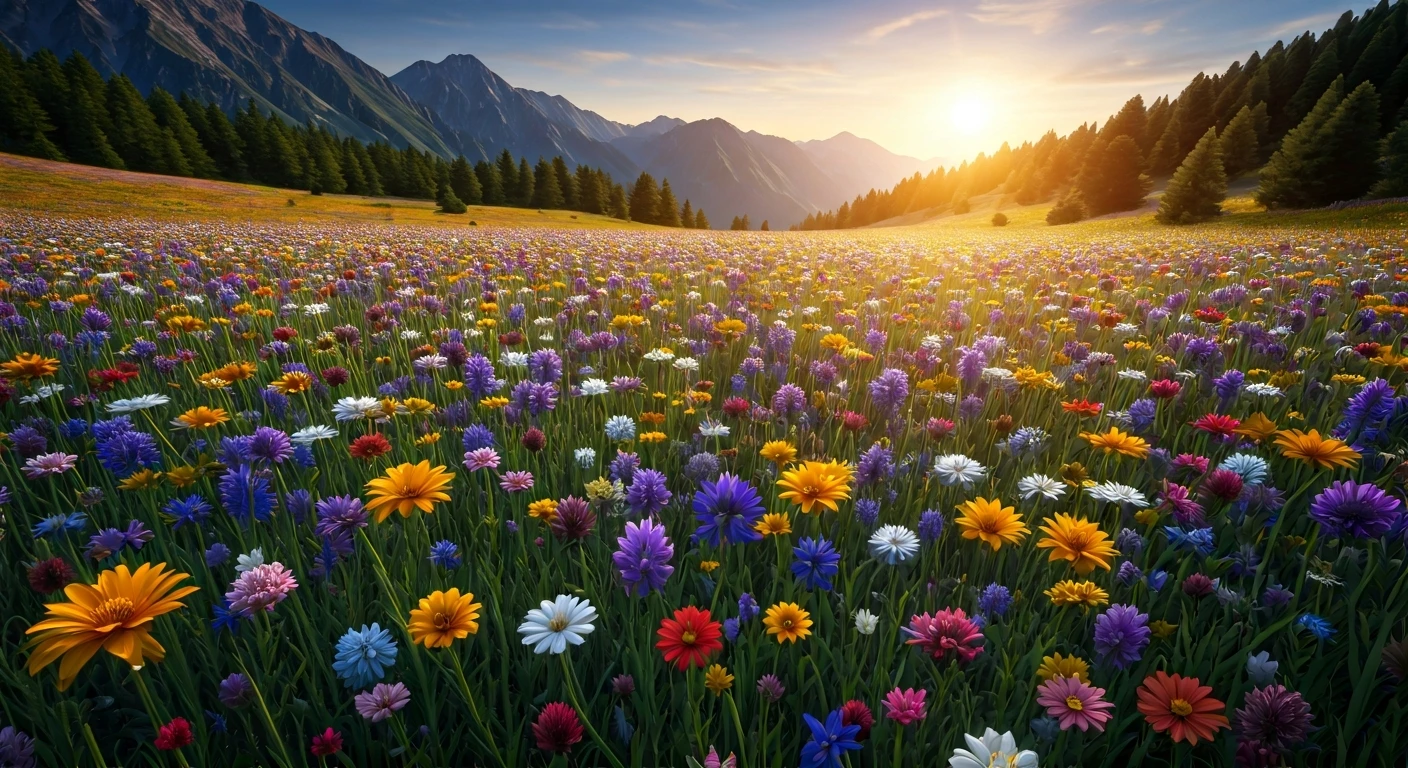
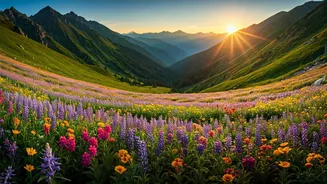
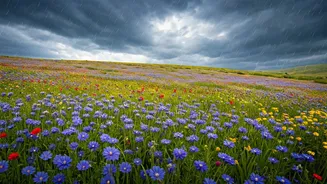
This is where the headline’s promise is kept. From late June through August, the monsoon rains saturate the valley floor. This consistent moisture, combined with the rich soil and intense high-altitude sunlight, awakens millions of seeds and bulbs that have been patiently waiting. The valley floor erupts into a living carpet of color. It is a masterpiece painted by weather. Over 600 species of wildflowers, many of which are found nowhere else on Earth, burst into bloom in a staggering, synchronized spectacle. The infamously challenging Indian monsoon, a phenomenon that can cause so much disruption elsewhere, is the very force that gives the valley its magic. Without the relentless rain, there would be no reward—just a barren, high-altitude meadow. It’s a profound lesson in perspective: the very thing we often try to avoid is the source of the beauty we seek.
A Carpet of Color and Scent
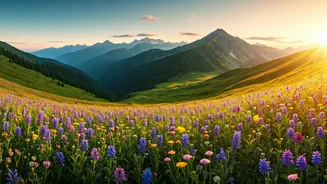
Stepping into the valley is a sensory overload. The scale is almost impossible to comprehend. Swathes of blue poppies, vibrant pink balsam, and golden potentilla stretch for miles. Delicate white anemones nod in the breeze next to stands of purple geraniums and the exotic, hooded shape of the cobra lily. The air, washed clean by the rain, is thick with a complex, sweet perfume from millions of blossoms mingling together. Butterflies and bees drift from flower to flower, their buzzing a soft soundtrack to the visual feast. There are no grand monuments or man-made attractions here. The experience is simply to walk, to breathe, and to be humbled by the sheer, unbridled abundance of nature. It’s a reminder that some of the world’s most profound beauty isn’t found in spite of difficult conditions, but because of them.