



The Backlash to ‘Beast Mode’
Remember when every fitness influencer seemed to be flipping giant tires, grunting through a punishing set of burpees, or screaming about “crushing” a workout? That intense, hyper-masculine, and often exclusionary “beast mode” culture dominated gyms and social
media feeds for over a decade. It created an environment where if you weren't pushing yourself to the absolute brink, you weren't doing it right. For millions of Americans, this didn't feel inspiring; it felt intimidating. The fear of being judged for using light weights, moving slowly, or just not knowing what to do kept countless people away from the gym altogether. The message was clear: fitness was for the already-fit. But a quiet rebellion has been brewing, one that values showing up over showing off.
Defining the Anti-Intimidation Workout
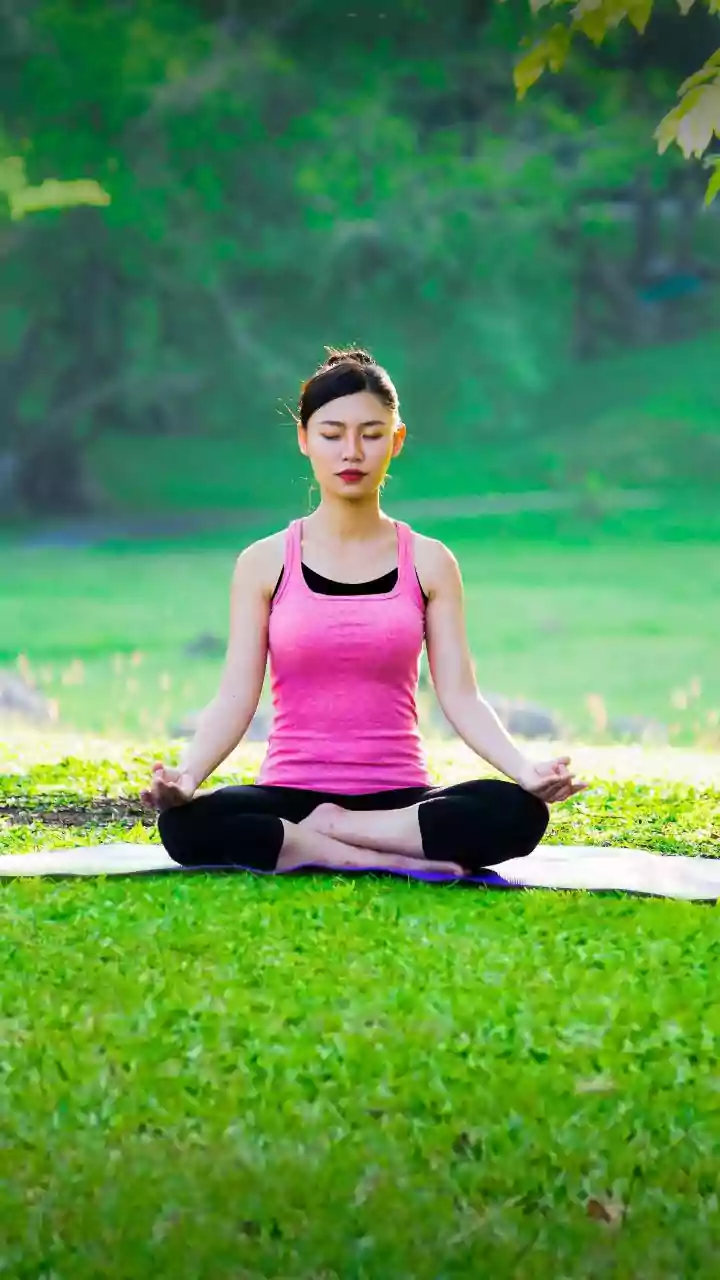
So, what exactly is a “beginner” or “anti-intimidation” workout? It’s less a specific set of exercises and more a radical shift in mindset. This trend champions the idea that movement should feel good, not punishing. It rejects the “no pain, no gain” mantra in favor of “all gain, no shame.” These workouts prioritize form over speed, consistency over intensity, and personal progress over public performance. It could be a 20-minute walk on a treadmill while watching your favorite show (a viral trend dubbed “cozy cardio”), a simple bodyweight strength circuit in your living room, or a YouTube yoga class designed for absolute beginners. The key ingredient isn't sweat or soreness; it's sustainability. The goal is to build a habit that you can stick with for life, not just for a six-week challenge.
Why This Trend Has Legs
This movement isn't just about making exercise easier; it's a direct response to a broader cultural shift. In a post-pandemic world, many are re-evaluating their relationship with health, moving away from purely aesthetic goals and toward a more holistic focus on mental and physical well-being. People are tired of feeling like they’re failing. Social media platforms like TikTok have amplified this, with creators sharing their realistic, low-stakes routines and celebrating the simple act of moving their bodies. Fitness professionals are also getting on board, recognizing that a client who feels successful and happy is a client who will come back. This approach democratizes fitness, making it accessible to people of all ages, sizes, and ability levels who were previously left out of the conversation.
How to Embrace the Beginner Mindset
Ready to join the anti-intimidation revolution? The first step is to let go of what you think a workout “should” look like. Forget the all-or-nothing mentality. If you only have 10 minutes, a 10-minute walk is a victory. If you can only do three push-ups on your knees, that's your starting line, and it’s a great one. Explore different forms of movement until you find something you genuinely enjoy, or at least don't actively dread. This could be dancing in your kitchen, following a beginner Pilates video, or just taking the stairs. The goal is to reframe exercise as an act of self-care, not a chore. Celebrate consistency, however small, and remember that you are the expert on your own body. The best workout plan is the one that respects your limits while gently encouraging you to explore your potential.