





What Exactly Is a Panchang?
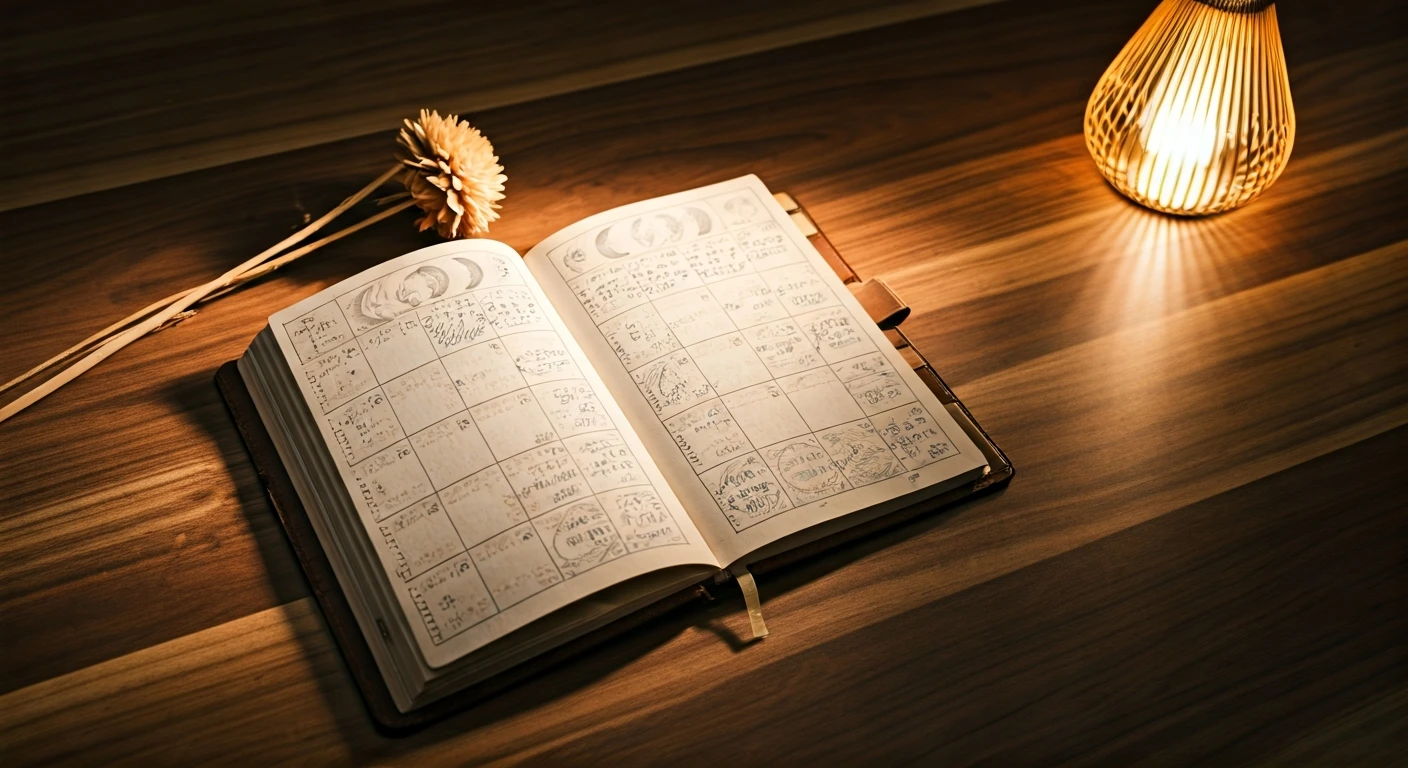
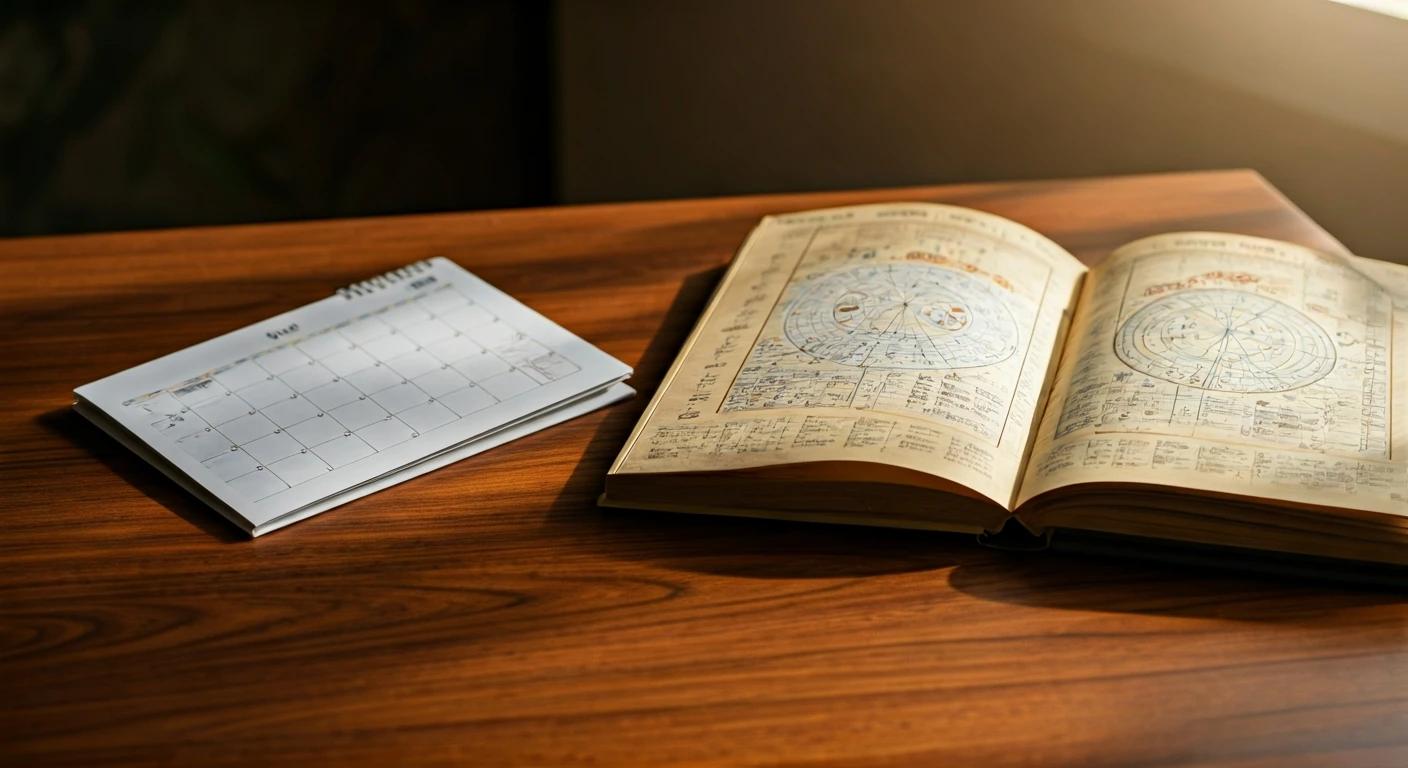
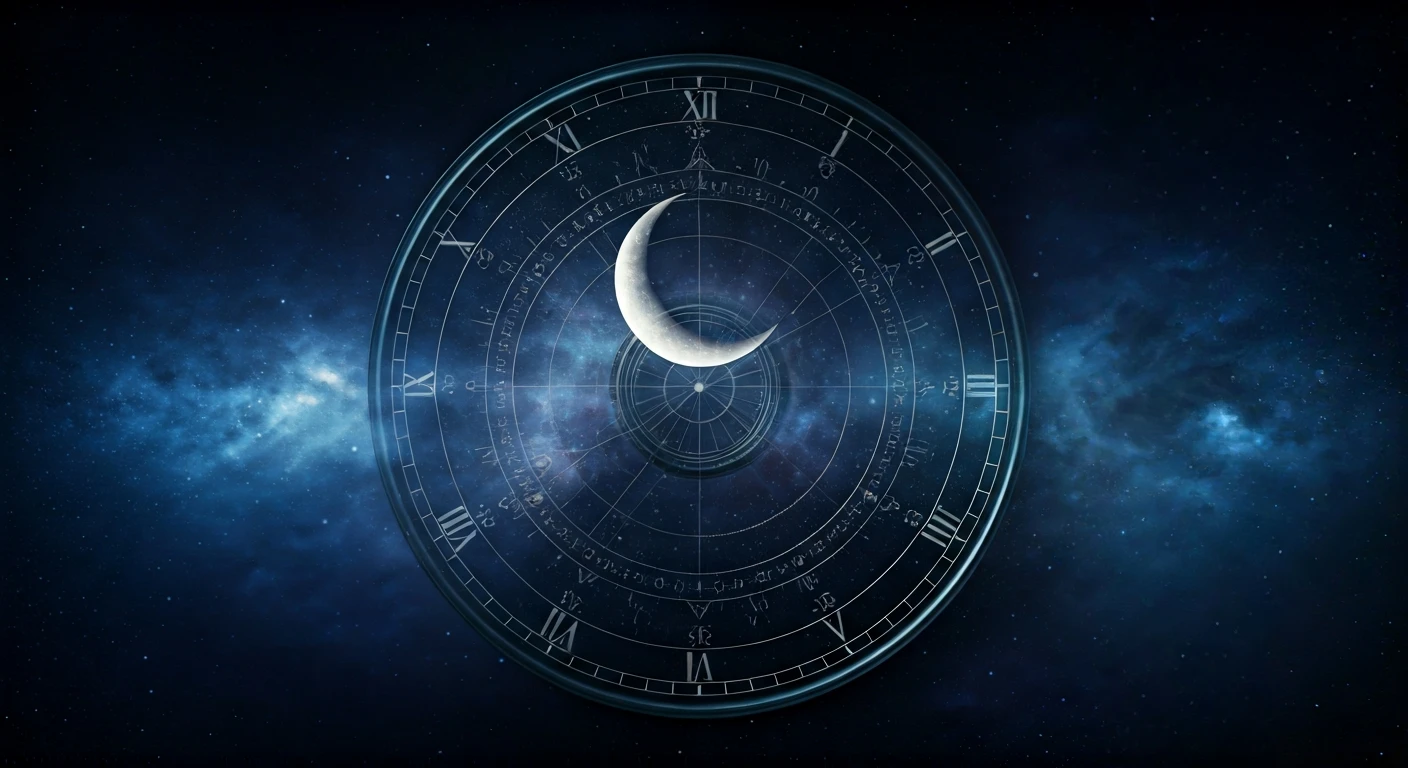
Think of the Panchang as a traditional Hindu astrological almanac. While the Gregorian calendar tracks the sun, the Panchang is primarily a lunisolar calendar, meaning it tracks the movements of the moon in relation to the sun and stars. The word itself,
'Panchang,' comes from Sanskrit: 'panch' meaning five and 'ang' meaning limbs. It provides a daily guide based on five key astronomical elements: 1. Tithi (Lunar Day): The angular relationship between the sun and moon. Each lunar month has 30 Tithis. 2. Nakshatra (Lunar Mansion): The section of the sky the moon is in. There are 27 Nakshatras, each with its own energy and symbolism. 3. Yoga (Auspicious Timing): A calculation based on the sun and moon's positions that determines periods of good fortune or caution. 4. Karana (Half a Tithi): Another subdivision of the lunar day, used for more detailed astrological readings. 5. Var (Day of the Week): The familiar seven days, each ruled by a planet. In essence, the Panchang isn't just about what day it is; it’s about the quality of the day’s energy. For centuries, people have used it to decide the best times for major life events like marriages, starting a business, or moving into a new home. For modern users, it can be a tool for mindfulness—a way to schedule activities in harmony with perceived cosmic flows.
How to Use This Guide
You don't need to be an astrologer to benefit from the Panchang. This guide simplifies the complex system to focus on the major lunar phases that influence the general mood and energy of the month. Think of the waxing moon as a time for growth and action, and the waning moon as a time for reflection and release. The dates below are based on general calculations for North American time zones, but the most important thing is the spirit of the day. Use these dates as prompts for planning, reflection, and living with greater intention.
The New Moon: Ashadhi Amavasya (July 5)
The month’s rhythm begins in darkness. Amavasya, or the new moon, is when the moon is not visible in the sky. This is considered a powerful time for introspection, rest, and setting new intentions. Instead of starting a major new project, this is a day to clear the slate. Think of it as a cosmic reset button. It’s an ideal time for meditation, journaling about your goals for the upcoming lunar cycle, or simply taking a break from the usual hustle. In many traditions, it’s a day to honor ancestors and engage in quiet, spiritual practices. Plan for a quiet evening and think about what you want to manifest in the weeks ahead.
The Waxing Moon: Shukla Paksha (July 6–20)
Following the new moon, the moon begins to grow fuller each night. This two-week period, known as Shukla Paksha (the bright fortnight), is associated with growth, expansion, and initiation. The energy is building, making it an excellent time to start new ventures, launch projects, make important decisions, and take action on the intentions you set during the new moon. As the moon’s light increases, so does the momentum in your life. This is the 'go-time' of the lunar month, a period to be productive, social, and push forward on your ambitions.
The Full Moon: Guru Purnima (July 20)
The energetic peak of the month arrives with the full moon, or Purnima. This July, the full moon is particularly special as it marks Guru Purnima, a festival dedicated to honoring teachers, mentors, and guides. 'Guru' means one who dispels darkness and brings light. It’s a day to express gratitude to anyone who has shared wisdom with you—whether it's a formal teacher, a parent, a boss, or a friend. The energy of the full moon is one of culmination, illumination, and celebration. It’s a time when things may come to fruition. Schedule a celebratory dinner, reach out to a mentor, or simply take a moment to acknowledge the wisdom you've gained.
The Waning Moon: Krishna Paksha (July 21–August 4)
After the brilliance of the full moon, the lunar energy begins to recede during Krishna Paksha (the dark fortnight). As the moon wanes, the focus shifts from external action to internal processes. This is a time for finishing projects, organizing, and letting go of what no longer serves you. It’s the perfect period for decluttering your home, wrapping up loose ends at work, or reflecting on the lessons of the past month. The energy supports release and surrender, making it less ideal for starting something new and more suited for creating space for the next cycle to begin.