



What Is Holistic Health Optimization?
Forget the old model of simply reacting to problems. Holistic health optimization is a proactive philosophy centered on enhancing every facet of your pet's life. It views your dog or cat not just as a body to be fed and medicated, but as a complex being
with physical, mental, and emotional needs that are all interconnected. Think of it as moving from a goal of 'preventing bad things' to one of 'actively creating good days.' It’s about creating an environment and lifestyle where your animal doesn’t just survive, but truly thrives. This approach requires more intention and observation from the owner, transforming the relationship into a partnership focused on quality of life.
1. Beyond the Bowl: Proactive Nutrition
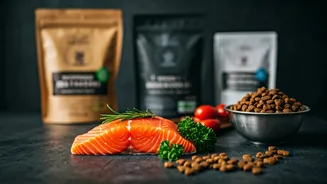
Holistic care starts with what fuels the body. The new standard for pet nutrition goes far beyond simply filling a bowl with the same kibble every day for years. It involves a deeper understanding of species-appropriate diets and individual needs. This means working with your veterinarian to choose a high-quality base diet, but also considering factors like life stage, activity level, and specific health concerns. It might involve incorporating veterinary-approved fresh food toppers for added moisture and micronutrients, ensuring constant access to fresh water from clean bowls, and being mindful of treats, which should be healthy, functional, and given in moderation. The goal is to see food as a foundational tool for wellness, not just a way to stop a rumbling tummy.
2. An Enriched Mind: The Cure for Boredom
A bored pet is an unhappy and often destructive pet. Mental stimulation is as critical as physical exercise. Holistic optimization means actively engaging your pet’s brain every day. This is the 'work' that many breeds were developed for and still crave. Simple swaps can make a huge difference. Ditch the food bowl in favor of a puzzle feeder or a snuffle mat, which forces them to think, problem-solve, and tap into natural foraging instincts. Regularly rotate their toys to keep them novel and exciting. Spend just ten minutes a day teaching a new trick or reinforcing old ones. For dogs, scent work games can be incredibly satisfying. For cats, a bird feeder outside a window or a new climbing structure can provide hours of passive entertainment. An enriched mind leads to a more balanced, content companion.
3. Emotional Intelligence: Tuning In to Their Needs
Our pets are constantly communicating, but are we listening? A huge part of holistic care is developing your emotional intelligence as an owner. This means learning to read your pet's body language—the subtle ear flick, the stiff tail, the soft eyes—to understand when they are happy, anxious, or in pain. It means respecting their autonomy and not forcing interactions when they need space. Creating a 'safe zone' like a crate or a specific room where they know they will never be bothered builds immense trust. For social animals, it also means curating positive, safe social experiences and knowing when to remove them from a stressful situation. This emotional attunement strengthens your bond and makes you your pet's most trusted advocate.
4. Purposeful Movement: More Than Just a Walk
The daily walk around the block is a start, but optimizing physical health requires a more thoughtful approach to movement. Variety is key to working different muscle groups and preventing repetitive stress injuries. Supplement leash walks with off-leash time in a secure area, which allows your dog to run, sniff, and move at their own pace. Consider activities like swimming, which is excellent for joint health, or hiking on varied terrain to improve balance and strength. For cats, engage them with wand toys to encourage 'hunting' behaviors like stalking, pouncing, and leaping. Regular, purposeful movement not only maintains a healthy weight but also releases endorphins, reduces anxiety, and supports long-term mobility.